Your Crash Guide to Becoming a SCUBA Diver

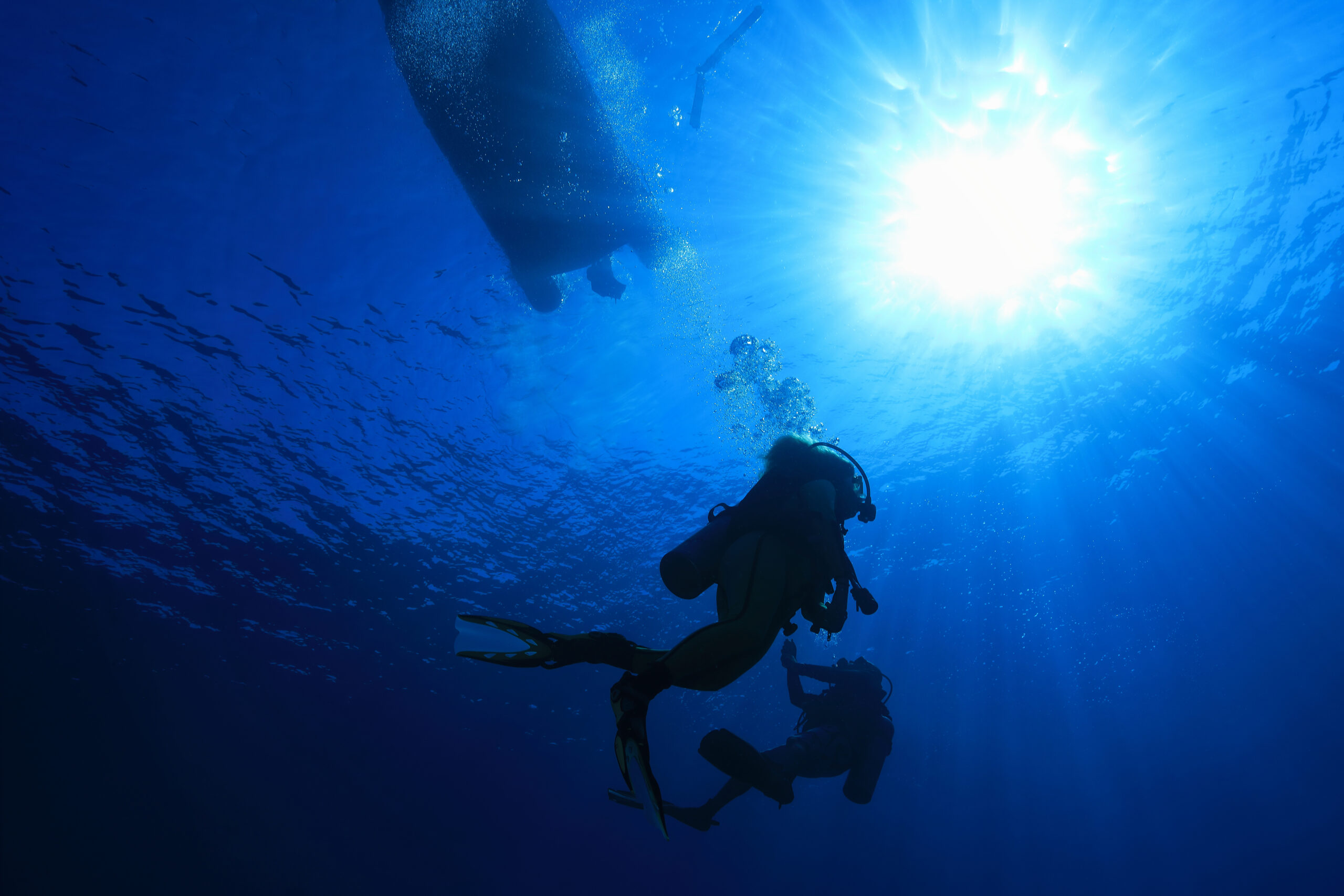
Beautiful underwater documentaries, photos, and experiences are shared online regularly amongst the SCUBA diving community. Considered water recreation, this activity does not require abnormal athletic ability but captivates people worldwide. Coming face to face with sea life is on the bucket list for many people. SCUBA diving gives you the most out of cruises and beachside vacations. With the rising popularity of SCUBA diving, you may wonder if you can embark on a dive. Though appealing and carefree, you need all your ducks in a row. Here is your crash guide to becoming a SCUBA diver and fulfilling your oceanic fantasies.

Getting your PADI Certification 

First and foremost, you need to know the type of certification you need. PADI certifications allow you to dive in the open ocean and use all the gear. Snorkel diving and free diving do not require certification for recreational purposes. To receive your PADI certification, take the Open Water diver course (get certified in as little as four days!) You need:

  • To be in good health (some countries and jurisdictions require a medical exam)
  • To be ten or older
  • Take a virtual PADI knowledge course such as PADI Elearning.
  • Obtain a PADI certification from a PADI-certified Master Diving Instructor.
  • Equipment
  • Fill out any forms required.
  • Most Open water class prices start at $550. 

SCUBA Diving Equipment

Some PADI instructors will provide you with air and life-saving equipment. Speak with your instructor beforehand before purchasing personal equipment. Most instructors do not recommend buying personal equipment until after the first class. Some schools offer life-saving equipment and require outside life-saving equipment to undergo inspection. You will need the following equipment:

  •  Reef gloves and hand protection
  • Your ID
  • Some schools require textbooks
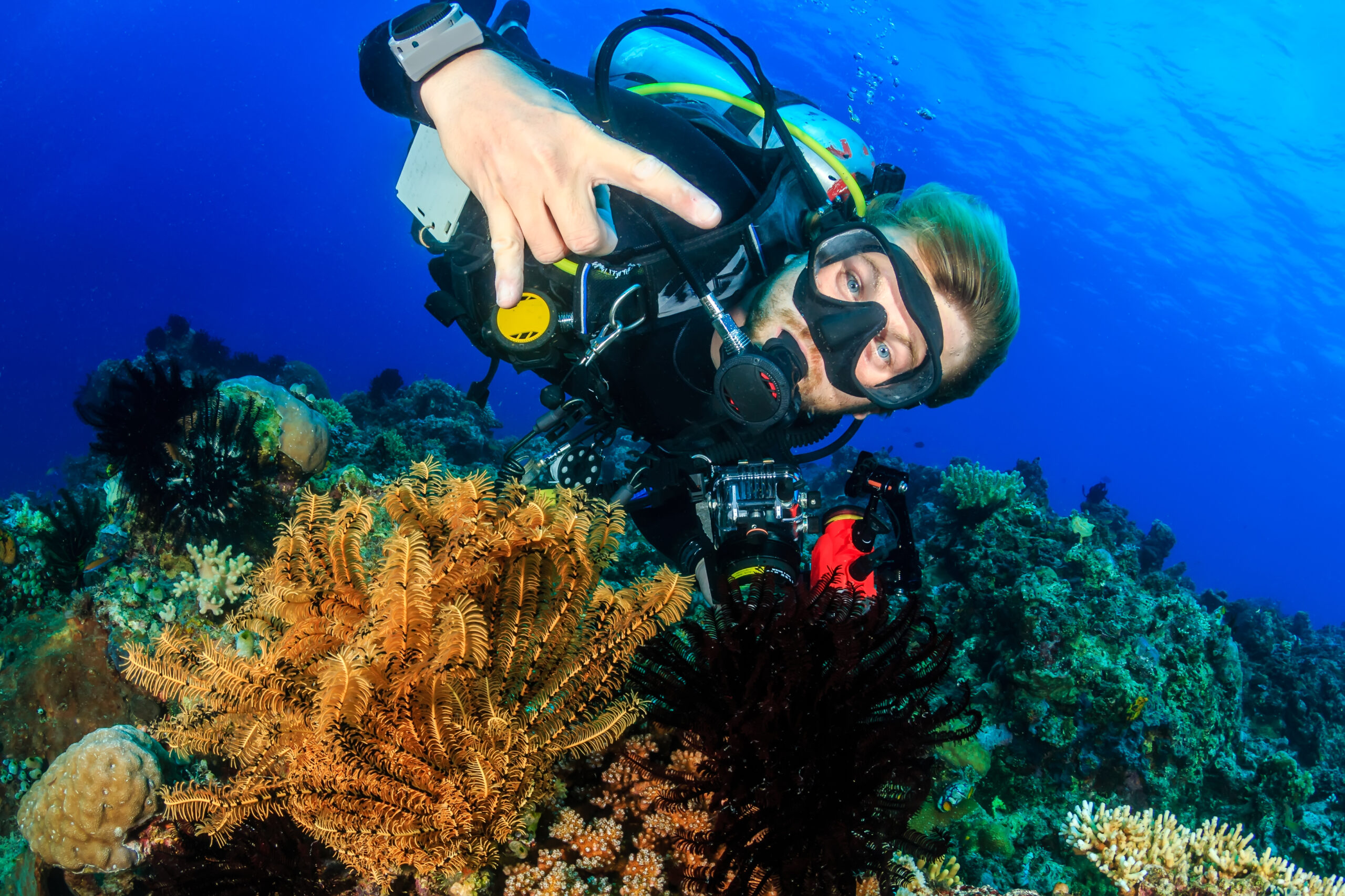
  • Your mask, snorkel, fins, wetsuits, and drysuits (for cold water dives)

Life-Saving Materials

  • Buoyancy control device(BCD)
  • A regulator with your BCD
  • weight belts
  • dive computers Dive tables
  • weights
  • air and tanks (some schools provide these)

With all these materials, ask your instructor what they provide and what you need. You may need these things later, so come up with a plan. The cost of all these materials together can cost up to $5000. Some people rent these materials for $150-$200 a day. You can keep certain personal items and rent equipment like your life-saving devices. Paying as you need things is the smart way to go. Try not to rent materials for long-term investments. 

Additional Items

After you add up the costs of gear, keep these items in mind:

  • Research if you need your safety tube or other equipment for the jurisdiction where you are diving. 
  • Dive insurance for medical reasons and equipment can start around $130-$200 monthly per person, depending on the coverage.
  • Dive video and camera equipment can rise close to $1000.

Bon Voyage

After you have gone through your checklist and determined what you need now or later, it’s time to book an excursion. 

  • Chart an excursion with a PADI-certified team or instructor. You need to know there will be one individual with you that has a Master’s diving certification and is allowed to instruct others. 
  • Look for a top-rated excursion crew with a good reputation and who is reliable. 
  • Take a diving buddy. You may have your instructor present, but if they are leading a crew, you will need your dive buddy, who is also SCUBA certified. 

Embarking on your first excursion is an exciting experience you won’t want to forget. The dive camera ensures you can make memories that last a lifetime.

Sources-How Much does Scuba Gear Cost? & Is It Better to Rent? • Our Globetrotters

Best Scuba Diving Insurance (2022 EDITION) (divingsquad.com)

How Much Does Scuba Gear Cost? | Scuba Diving (keylargoscubadiving.com)
Scuba Certification: Everything You Need to Know (padi.com)

Amazon.com: scuba tank costs

Decrease the Risk of SCUBA Related Deaths

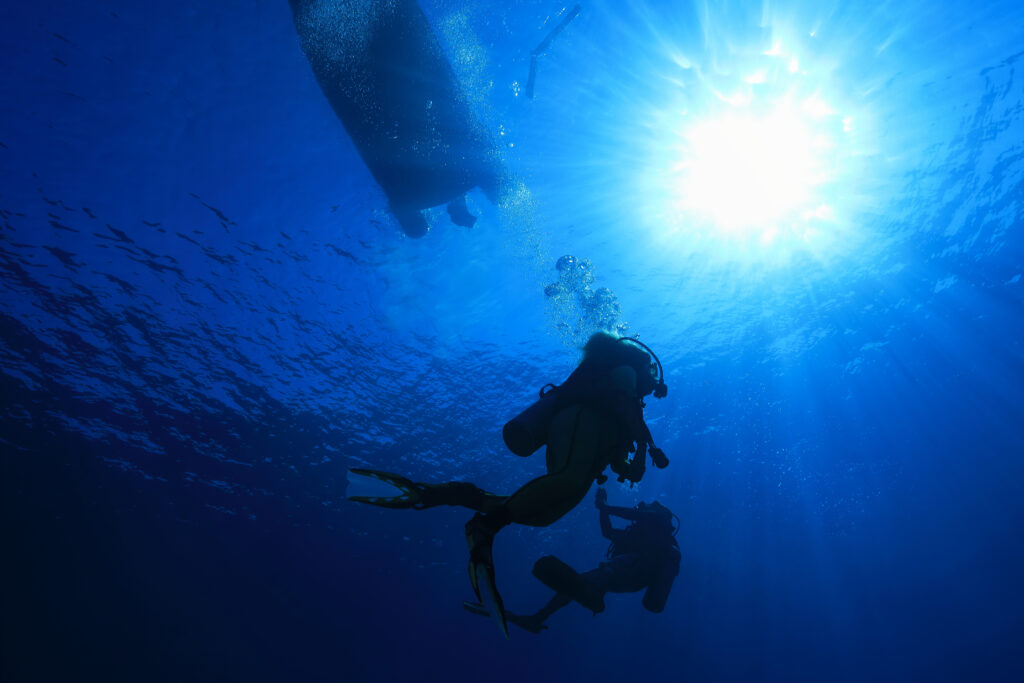
Scuba divers on safety stop with bouy underwater in the Ocean

   SCUBA diving as a recreational activity has increased in the last 10-15 years. There has also been an increase in SCUBA diving accidents within the early 2010s. This number lowered during the pandemic from 2020 to 2022. With an increase in activity, SCUBA deaths have recently increased this start of Spring. SCUBA diving deaths are relatively low compared to the number of divers around the United States. Divers Alert Network notes 80-100 divers die a year in North America. The last statistic on SCUBA deaths in 2015 was 1.8 deaths for every million. While SCUBA-related deaths are low, increasing awareness in the SCUBA community places divers on alert. Every diver can lower their risks with preventative measures. 

Proper Gear Maintenance and Usage

     Purchase high-quality gear that is fitted specifically for you. Here are areas where you cannot afford to overlook proper gear usage.

  • Your SCUBA mask needs to seal out moisture before you ever enter the water. Purchase and test the mask before attending an open ocean dive. The seal must be fully closed. If your mask leaks the slightest amount of water, have a seasoned dive instructor see if you need to work on your seal or a different SCUBA mask. 
  • Make sure your fins fit correctly. Otherwise, you will lose them and struggle to swim towards the boat. 
  • Buoyancy control devices (BCD) regulate your ability to sink and float. This piece of equipment can affect your tanks, wetsuit, and mask. You want your BCD to fit closely, but not so tightly that it’ll squish your body when it inflates. Test your BCD with a PADI instructor in a swimming pool before you attend a dive. You do not want to float too close to the surface. You need to stay well below boats that may pass by. 
  • Ensure all tubes, hoses, straps, and gauges are secured tightly against your body. It is easy for loose items to catch between rocks or boat propellers. 

Proper Practices 

  • Never dive without a buddy. Diving alone puts you at risk. You need someone who can assist you in a medical emergency and warn you of nearby dangers. 
  • Practice and always recertify CPR/First Aid. You will need to learn CPR and first aid before you dive. Your dive buddy should also have updated CPR/First Aid training. Practice CPR and first aid regularly to prepare for the worst. 
  • Avoid boating accidents by staying alert underwater and checking BCDs beforehand. Dive Training recommends someone is aboard your boat in case you find yourself diving in the open ocean. Be aware of the shipping lanes, vessels, and other large machinery. 
  • Avoid areas with riptides or currents if possible. 
  • Use caution when entering caves or confined spaces.
  • Private boats should only have experienced divers on board. 
  • Avoid touching or approaching venomous or predatory animals. 
  • Check all of your equipment before setting sail for a dive.
  • Equalize your ears and mask. Your instructor or another PADI-certified diver can assist you.

Health and Safety

There are regular health practices that divers should take to prevent life-threatening complications. Divers need to cope with the pressure deepwater dives place on your body. Here are some health and safety tips to lessen bodily strain. 

  • Keep your physical fitness in shape. Regularly swim, practice breathing, and participate in cardio for peak health. Weight training is optimal so you can gain familiarity with your body under different levels of pressure.
  • If you have sinus congestion or migraines, postpone your dive. 
  • If you feel ill after a dive, visit a local emergency room or urgent care to rule out any life-threatening complications.
  •  Use a dive computer to stay within a dive table and avoid decompression sickness.
  • Familydoctor.org advises to hold off flying 12 hours after diving and 24 hours if your dive has decompression stops.

Your health and safety are a priority. If you or a fellow diver are ever in an emergency, call the Divers Alert Network emergency line. Their website has a list of emergency phone numbers for different locations worldwide. Checking in with a fellow PADI instructor for more safety concerns is recommended before your first dive. Diving is at one’s own risk. Tread the water with caution.

By The Shore SCUBA Instruction LLC. is a SCUBA school located in North Carolina. We acknowledge that the information provided is no guarantee of safety. SCUBA diving is an at-risk activity and requires proper PADI instruction and other safety training. We accept no responsibility for death, injury, or damaged equipment. By The Shore SCUBA Instruction LLC. is not medically trained. You should consult your doctor for all safety suggestions. Our information comes from sources online that claim SCUBA knowledge and experience. 

These sources are listed below.

Divers Alert Network (dan.org)

familydoctor.org

Encanto grandfather killed in a diving accident in Hawaii (10news.com)

Scuba diving fatalities – Wikipedia

How you can Help Conserve our Ocean

 SCUBA divers travel from around the globe to visit one of nature’s most prized wonders, The Great Barrier Reef. The Great Barrier Reef is the largest coral reef ecosystem and living structure on Earth. The Great Barrier Reef has lost half of its reef since 1995. The constant bleaching that occurs leads to the reef’s death. Coral bleaching occurs when temperatures rise to at least 2 degrees. The coral reef expels algae. The problem comes when the coral reef’s temperature sustains high temperatures and will not let the algae back in. The cause of this is the rise of CO2 in the water, lack of nutrients, and pollutants in the water. This delicate balance is disturbed by the lack of food for micro life, a shortage of macro life, and harmful substances like sunscreen. Practicing ocean conservation, can lead to a healthy long-term ecosystem.

Sustainable Practices

While there is no guarantee that corporations will use sustainable practices, there are small things you can do to conserve our ocean’s wildlife. Along with reducing your carbon footprint, recycling, saving water from runoff, and using renewable energy, there are other steps we can take to protect our ocean. 

  • Look for sustainable seafood. Farmed fish may increase the population, but they can easily pollute the ocean water because of cramped conditions. Go for sustainable wild-caught seafood. Health experts recommend that you only have two to three servings of seafood a week.
  • Wear coral reef-safe sunscreen if you plan to enter the ocean. Save sunscreens with titanium dioxide, oxybenzone, and Octinoxate for the tennis court. These chemicals take a while to break down and are not much better for humans. 
  • Support sustainable farming. Check for foods grown without the use of pesticides and chemicals. The runoff of these products harms the ocean. Look for your meat to be raised using crop rotation. Crop rotation lowers the risk of pollution and agricultural waste runoff. 
  • Safe ocean practices such as idle speed in no-wake zones and disposing of fishing lines in designated areas will keep wildlife from needless death and dismemberment. 

Raise awareness

     Most people are unaware of modern-day whaling industries, ocean conservation, fishing practices, and how farming affects our ecosystem. Sustainable fishing means plenty of food for us and our macro life. A healthy balance between macro and micro life means a sustainable increase in sea life. Raising awareness will help those around you care for our precious resource, the ocean. Helping raise awareness for endangered species such as the vaquita will help balance out our food chain and keep us from losing our ocean wildlife. Needless animal deaths occur when illegal activities such as gillnet fishing take place. Practicing safe fishing and supporting marine conservation are ways that you can maintain stewardship over the beautiful seas. Let’s leave something behind for our children to explore and care for. 

How Can I Dive or Swim with the Orcas?

Diving with Orcas Adventure

Experience the Magic of Swimming with Killer Whales in the Wild

Diving with marine life is a dream for many adventurers. SCUBA diving allows us to explore the ocean’s wonders, from vibrant coral reefs to encounters with some of the most incredible sea creatures on the planet. While some divers seek the thrill of swimming with sharks, others are fascinated by the gentle nature of dolphins and whales.

Among the most awe-inspiring marine encounters is diving with orcas, also known as killer whales. These powerful yet intelligent creatures are among the ocean’s top predators, using echolocation to navigate and communicate with their pods. Despite their large size—growing up to 10,000 pounds with dorsal fins reaching 6 feet—orcas pose no known threat to humans in the wild.

For those seeking a once-in-a-lifetime experience, there are select destinations around the world where divers can safely observe orcas in their natural habitat. If you dream of diving or swimming with orcas, here are the best locations where you can experience these majestic creatures up close.


Best Places to Dive or Swim with Orcas

Norwegian Fjords – A Thrilling Cold-Water Dive with Orcas

📍 Best Time to Visit: Late October to Mid-January

The Norwegian fjords are one of the best places in the world to dive with orcas. Each winter, these waters fill with migrating herring, attracting pods of orcas hunting in coordinated groups. Divers who venture into the Arctic’s freezing waters can witness orcas displaying extraordinary teamwork, using tail slaps and bubble nets to catch their prey.

Apart from orcas, divers may also encounter WWII shipwrecks, spiny dogfish, wild salmon, seals, kelp forests, and nudibranchs. The aurora borealis (northern lights) adds an unforgettable glow to the experience, making this one of the most magical dive locations for wildlife enthusiasts.

Explore More About Cold Water Diving →


British Columbia & Strait of Georgia, Canada – The Ultimate Orca Watching Experience

📍 Best Time to Visit: April to October

Canada is home to one of the largest populations of orcas in the world. The Strait of Georgia and British Columbia’s coastal waters provide an excellent opportunity to observe breaching orcas up close. Here, diving charters take visitors to key locations where orcas pass through during their seasonal migrations.

Although direct diving with orcas is uncommon in Canada, snorkeling and surface encounters allow visitors to witness orcas swimming alongside their pods. With its rugged coastline and breathtaking marine life, British Columbia is a must-visit destination for orca lovers.

Learn More About Whale Watching →


Poor Knights Island, New Zealand

📍 Best Time to Visit: December to February

If you prefer warmer waters, Poor Knights Island in New Zealand is an ideal destination to see orcas in a tropical setting. During the summer months (December through February), orcas migrate through this region, with pods of 6-12 whales frequently spotted near Kaikoura and Wellington Harbour.

New Zealand’s warm climate and crystal-clear waters make it an excellent location for SCUBA divers of all experience levels. Additionally, the abundance of diving charters in the area ensures that divers have access to well-guided experiences.


Costa Rica

📍 Best Time to Visit: September

Costa Rica may not be the first place that comes to mind for orca encounters, but Isle de Coco, Cabo Blanco Marine Reserve, and Cahuita National Park offer some of the best chances to spot these majestic creatures. Tambor Bay, Cabuya Island, and Tortuga Island are also popular SCUBA diving destinations where divers can get up close with marine life, including orcas.

For those interested in free diving with orcas, the waters around Coco Island in September provide an excellent opportunity to witness migrating pods. The rich biodiversity of Costa Rica’s marine ecosystems makes this an unforgettable SCUBA diving and wildlife experience.


Other Ways to Encounter Orcas Without SCUBA Diving

Not a certified SCUBA diver? No worries! You can still experience orcas in their natural habitat through other thrilling adventures.

Free Diving with Orcas

  • Norwegian fjords offer some of the best free diving experiences with orcas.
  • Cold-water diving gear is necessary to withstand the Arctic temperatures.

Swimming with Orcas

  • Swimming with orcas is illegal in most countries, but Coco, Costa Rica, and Norway allow limited encounters.
  • Snorkeling and surface interactions provide a thrilling experience.

Kayaking with Orcas

  • Seattle, Washington (Puget Sound) is a popular kayaking spot for safe and eco-friendly orca encounters.
  • Kayakers can observe orcas from a safe and respectful distance.


Frequently Asked Questions (FAQs)

1. Is it safe to swim with orcas?

  • Yes! There are no recorded attacks on humans by wild orcas. They use echolocation to recognize their surroundings and do not mistake humans for prey.

2. Where is the best place to dive with orcas?

  • The Norwegian fjords are considered the best location due to their high orca population during herring migrations.

3. Can I swim with orcas without SCUBA diving?

  • Yes, free diving and snorkeling with orcas are possible in locations like Costa Rica and Norway where it is legally permitted.


Ready for Your Next Dive Adventure?

Swimming or diving with orcas is a once-in-a-lifetime experience. Whether you choose to dive in the Arctic, free dive in Costa Rica, or kayak in Seattle, encountering these magnificent creatures will leave you in awe.

Call us at 919-247-0356 to learn more about SCUBA diving trips & charters.


Book Your Next Diving Adventure →