How SCUBA Diving Can Pioneer Trash and Environmental Efforts

SCUBA Conservation

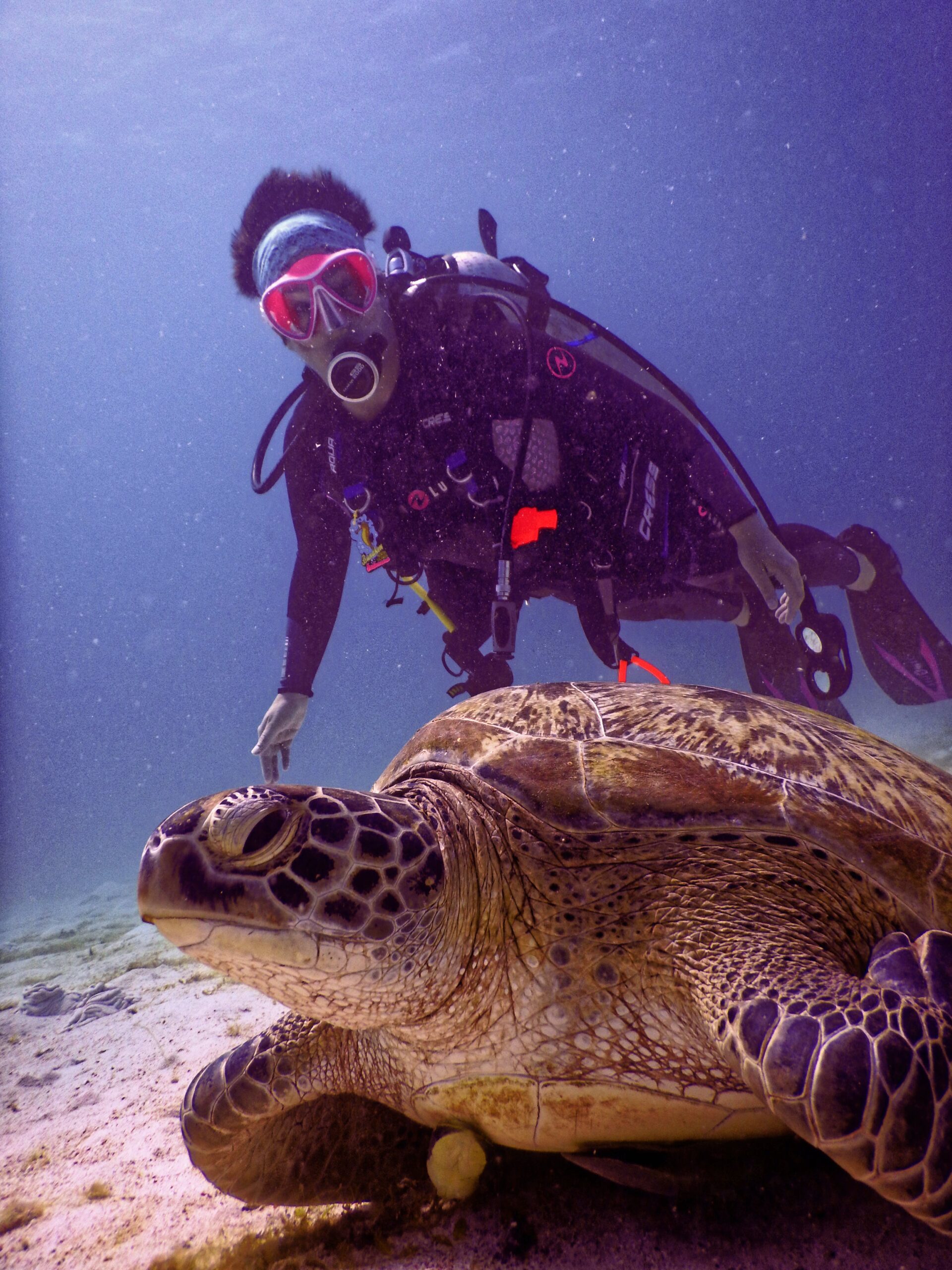
If you love diving and care about the environment, you might be interested in joining a group of scuba divers who are on a mission to collect undersea litter in New York City. These divers are not only enjoying the beauty and diversity of marine life but also helping to undo some of the damage caused by ocean pollution.

These divers are part of the DIVERS-ity Initiative, which promotes inclusion in the sport. They meet every month at a small cove in Far Rockaway, where New York City meets the Atlantic Ocean, about 4 miles south of John F. Kennedy International Airport in Queens. There, they dive into an environment that is both fascinating and filthy.

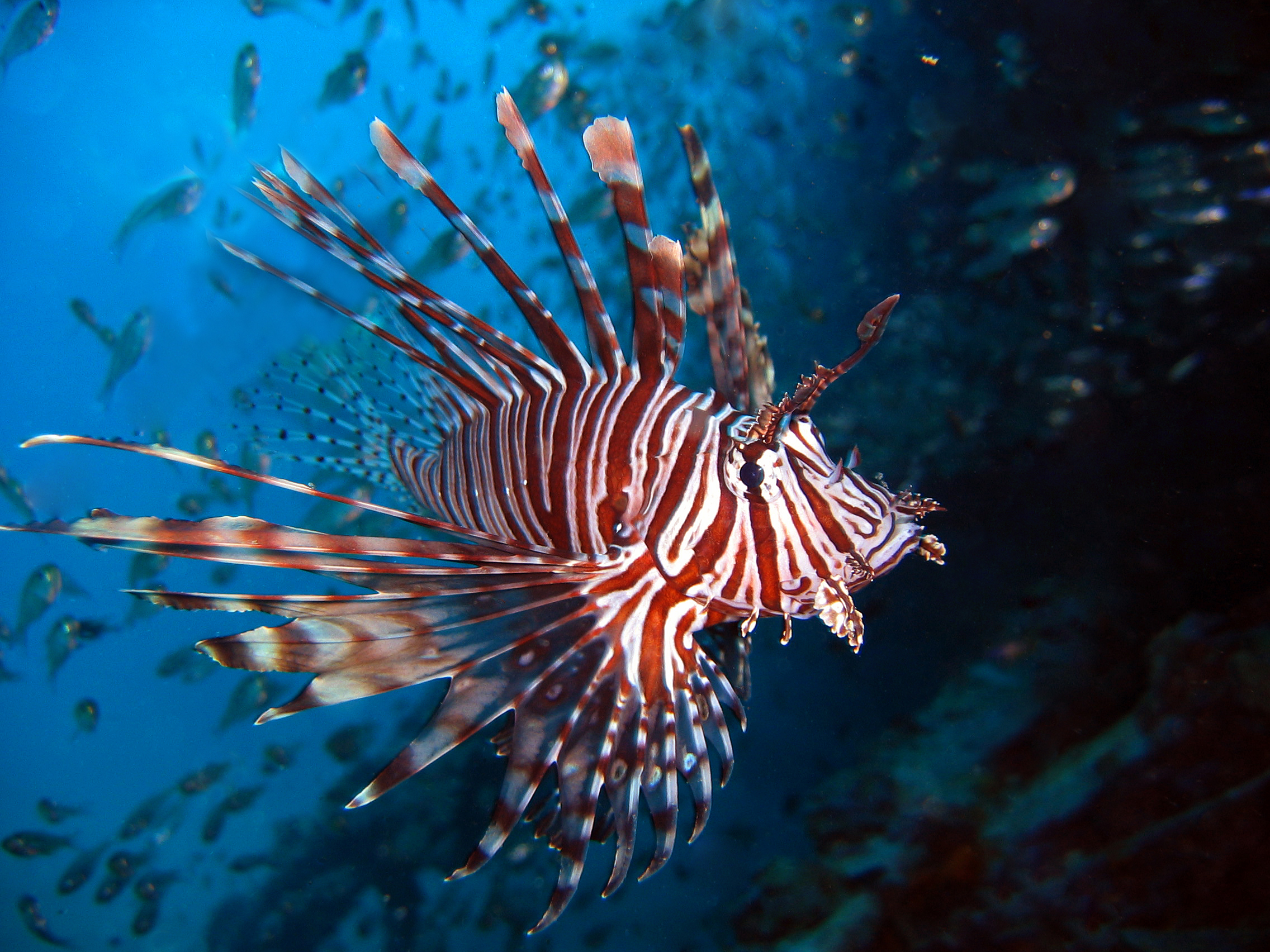
The divers encounter horseshoe crabs, coral colonies, sea robins, blackfish, and angelfish, but also plastic bottles, candy wrappers, and fishing lines that endanger sea life. The divers collect as much trash as they can by hand or by cutting it with scissors. They also compete for the prize of the weirdest find, which includes a goat skull and an ATM.

The founder of the dive school SuperDive, Nicole Zelek, started the monthly cleanups four years ago as a way to combine her passion for diving with her concern for the environment. She said that fishing lines are especially harmful to crabs and other crustaceans that get tangled and die. She also said that she hopes to inspire more people to join the effort and raise awareness about ocean pollution.

Ocean pollution is a global problem that affects millions of marine animals and plants, as well as human health and well-being. According to Ocean Conservancy, a nonprofit organization that organizes international coastal cleanups every September, about 400 million pounds of trash have been retrieved from coastal areas around the world since 1986. However, much more needs to be done to tackle the crisis of single-use plastics and other hard-to-degrade materials that accumulate in the oceans.

Scuba diving can be a powerful way to pioneer trash and environmental efforts, as it allows divers to witness firsthand the impact of pollution on marine ecosystems and to take action to protect them. By diving into the depths of New York City’s waters, these divers are, not only having fun but also making a difference.

There is a lot of ways you can help pioneer environmental efforts. If you wish to embark on your own SCUBA diving journey and live near the Carolina Coast, reach out to By the Shore SCUBA Instruction. We can meet your tailored SCUBA needs, or check out our calendar for chartered excursions. Kevin Alexander, our instructor has trekked locations like Cozumel and Bonaire. See what By the Shore SCUBA Instruction has to offer.

Sources-

-https://apnews.com/article/scuba-diving-ocean-pollution-new-york-f799ca1b2851d6e5c4791a45ad2416b6

https://oceanconservancy.org/trash-free-seas/international-coastal-cleanup/
Surviving a Shark Attack While Cage Diving

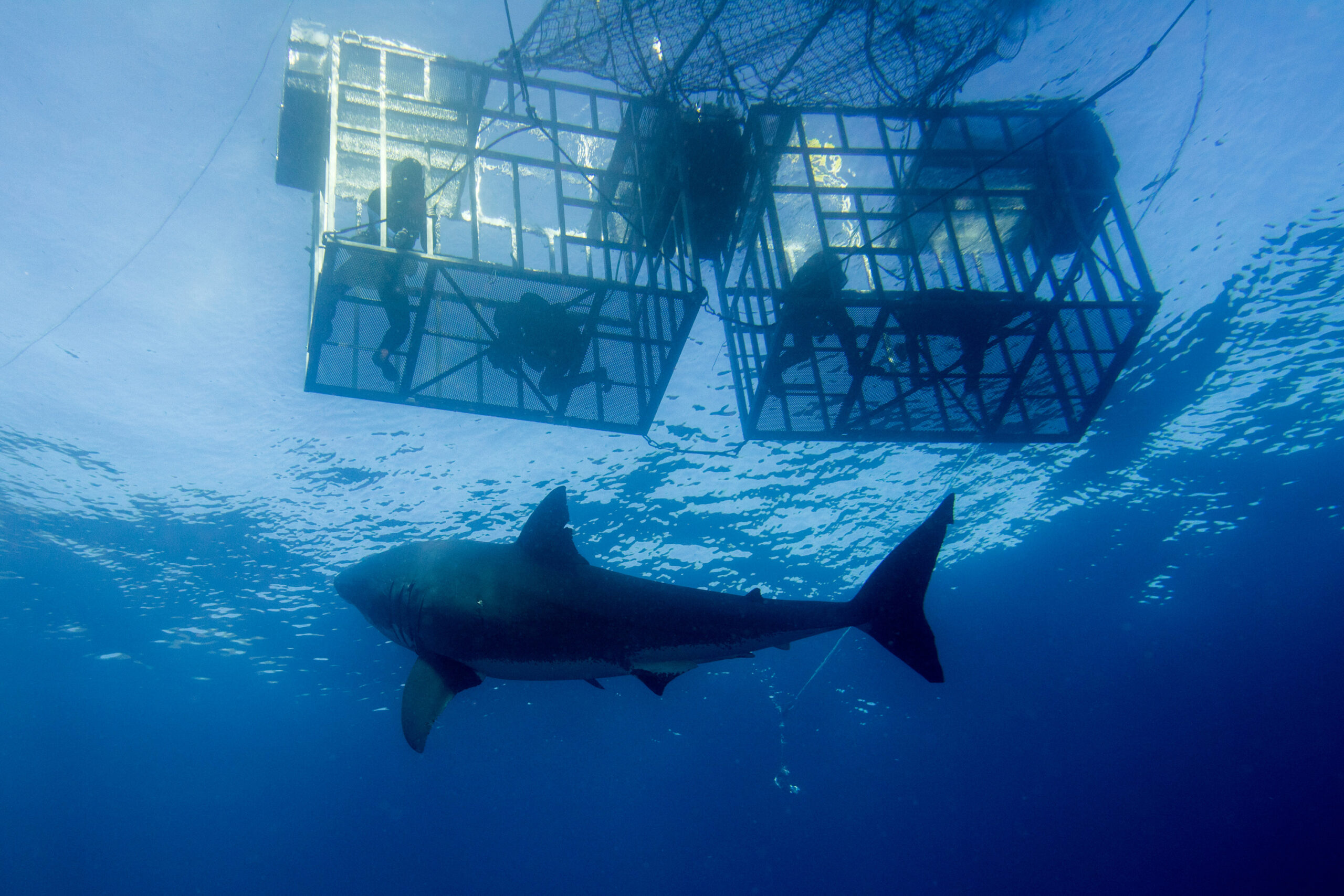
Great White shark while coming to you on deep blue ocean background

Have you ever dared to cage dive with the Great White off the coast of South Africa or even in the Bahamas with the Caribbean Reef Shark? Most divers have never been on a cage dive with sharks, but the few who have looked death in the face. Sometimes the sharks are a little aggressive. Sometimes they seek blood. Do they seek to attack cage divers? There has never been a death by cage diving with sharks ever recorded, but this doesn’t mean sharks have never attacked cage divers. A conflict arose when a great white plowed into a cage with Mark Currie during a cage dive off the coast of South Africa in 2005. The boating company tried to launch a lawsuit against the British tourist when they said he damaged their equipment. In addition, they held a lawsuit against local media outlets for exaggerating the news story. You would think that Mark would have sued the company, but he described the incident as the most exciting experience of his life. Was Mark merely trying to receive fifteen minutes of fame, or was his near-death experience so exhilarating he had to share it with the world? We may never know. We do know that sharks have attacked cages before, and sharks have attacked divers in the open ocean. Those two facts together are enough to place any cage diver on edge.

Precautions to Take when Cage Diving

Most of us would not be thrilled if a shark plowed into our cage. So how do you survive or prevent a shark attack? Some cage diving companies consider safety, while others use chum to lure sharks in. There have even been ethical debates concerning cage diving. Read these precautions to take when cage diving and decide for yourself. 

  • Chart a cage diving company that does not use chum to lure sharks towards the boat. The best cage diving tour guides know where the sharks are. Using chum to draw the sharks in takes away their fear of humans. 
  • If the conditions are murky in the water, it’s best to steer clear of these areas. Avoid areas with chum in the water. (See above.)
  • There is strength in numbers. Take a dive buddy with you.
  • Ensure your lines and tubes are correctly tied and gathered to avoid a shark taking hold of you. 
  • Keep one hand on the cage as you climb down inside. This practice ensures you can quickly pull yourself inside if a shark approaches.
  • Use the controlled seated technique to get inside the cage. Your cage dive team should demonstrate it. You use both hands to pull yourself down into a seated position. 
  • If you want to take photos, climb into the cage first. Then have someone hand you your camera. Otherwise, you cannot hold onto the cage bars as you descend. 
  • Avoid a collision with your dive buddy. 
  • Never extend cameras or limbs outside the cage, which the shark considers bait.*
  • Remain calm at all times. Movement can disturb the shark. 
  • Take a diving knife in case you become stuck or trapped by your equipment.

These tips are helpful to prevent a shark from noticing you, but what if they can’t resist plowing into your cage. If you find yourself close to the abyss of a shark’s jaws, you can still escape if you act fast and follow the tips below.

  • Keep your eyes on the sharks at all times. They are less likely to approach if they know you are watching them. 
  • If a shark pushes into a cage, sinking below or above them is your best chance of survival. Sharks cannot swim backward, which means they will be thrashing around with you inside the cage.
  • Most cages have an exit hatch in case of a shark attack. Ask the charter to show you how to operate the escape hatch before diving.
  • Once you exit the cage, be mindful of other sharks lurking nearby.
  • If you need to exit the cage from deep levels, open the cage and exit quickly with your dive buddy. Inflate your BCD and swim to the top with your dive body. 

While there is no guarantee that you will survive a shark attack, your chances of survival are greater if you follow the tips above. The best way to prevent death by cage diving is to speak with your SCUBA instructor; they may be able to offer you a course in cage diving. If you have any questions about cage diving, contact By The Shore SCUBA Instruction.

*This statement above is based on accuracy but is inserted for dramatization.

By the Shore SCUBA Instruction is not certified to offer advice concerning marine animal behavior. The advice above is not guaranteed to stop injury or death from occurring. We write this article based on the experience of individuals, divers, cage dive charters, and others who work directly with sharks. You attempt cage diving at your own risk to life and limb. 

Sources- 

Shark Cage Diving Safety Tips – Shark Bookings

Extreme Great White Shark Cage Attack | World’s Scariest Animal Attacks – YouTube

Tourist who escaped shark attack faces legal action | The Independent | The Independent

Shark experts set to sue media | News24

Is it Ethical to Dive and Swim with Sharks? (worldnomads.com)

Equipment For Scuba Diving: An Illustrated Guide For Beginners (diverbliss.com)

The Best Way to Escape a Shark When You’re ’47 Meters Down’ (inverse.com)

How you can Help Conserve our Ocean

 SCUBA divers travel from around the globe to visit one of nature’s most prized wonders, The Great Barrier Reef. The Great Barrier Reef is the largest coral reef ecosystem and living structure on Earth. The Great Barrier Reef has lost half of its reef since 1995. The constant bleaching that occurs leads to the reef’s death. Coral bleaching occurs when temperatures rise to at least 2 degrees. The coral reef expels algae. The problem comes when the coral reef’s temperature sustains high temperatures and will not let the algae back in. The cause of this is the rise of CO2 in the water, lack of nutrients, and pollutants in the water. This delicate balance is disturbed by the lack of food for micro life, a shortage of macro life, and harmful substances like sunscreen. Practicing ocean conservation, can lead to a healthy long-term ecosystem.

Sustainable Practices

While there is no guarantee that corporations will use sustainable practices, there are small things you can do to conserve our ocean’s wildlife. Along with reducing your carbon footprint, recycling, saving water from runoff, and using renewable energy, there are other steps we can take to protect our ocean. 

  • Look for sustainable seafood. Farmed fish may increase the population, but they can easily pollute the ocean water because of cramped conditions. Go for sustainable wild-caught seafood. Health experts recommend that you only have two to three servings of seafood a week.
  • Wear coral reef-safe sunscreen if you plan to enter the ocean. Save sunscreens with titanium dioxide, oxybenzone, and Octinoxate for the tennis court. These chemicals take a while to break down and are not much better for humans. 
  • Support sustainable farming. Check for foods grown without the use of pesticides and chemicals. The runoff of these products harms the ocean. Look for your meat to be raised using crop rotation. Crop rotation lowers the risk of pollution and agricultural waste runoff. 
  • Safe ocean practices such as idle speed in no-wake zones and disposing of fishing lines in designated areas will keep wildlife from needless death and dismemberment. 

Raise awareness

     Most people are unaware of modern-day whaling industries, ocean conservation, fishing practices, and how farming affects our ecosystem. Sustainable fishing means plenty of food for us and our macro life. A healthy balance between macro and micro life means a sustainable increase in sea life. Raising awareness will help those around you care for our precious resource, the ocean. Helping raise awareness for endangered species such as the vaquita will help balance out our food chain and keep us from losing our ocean wildlife. Needless animal deaths occur when illegal activities such as gillnet fishing take place. Practicing safe fishing and supporting marine conservation are ways that you can maintain stewardship over the beautiful seas. Let’s leave something behind for our children to explore and care for.