Traveling Abroad with Scuba Diving Equipment: What You Need to Know
Complete scuba gear available at Raleigh scuba shops

Traveling Abroad with Scuba Diving Equipment

When The Ocean Calls

For many divers, traveling internationally with your scuba gear offers comfort, reliability, and familiarity. But flying with equipment isn’t as straightforward as packing a swimsuit. Therefore, read about what you need to know before heading overseas with your dive gear. Prepare your travel abroad with SCUBA Diving Equipment.

Traveling Abroad with SCUBA Diving Equipment: What You Can Pack

Most airlines allow standard scuba gear in checked baggage, including:

  • Mask, fins, and snorkel
  • Regulator
  • Buoyancy Control Device (BCD)
  • Wetsuit or drysuit
  • Dive computer
  • Surface marker buoy (SMB)
  • A large mesh bag — handy for transporting wet gear and avoiding carrying your entire main bag on dive boats

Make Sure Items Pass Security and Customs

Keep in mind, some airlines prohibit dive lights and dive knifes. Ensure these items are allowed on the airline for your travel abroad SCUBA diving.

  • Dive lights (carry-on only, with batteries removed)
  • Dive knife (checked baggage only, depending on the carrier and country . Be prepared to have your checked baggage opened by security. Don’t place a lock on your case while flying.)

What You Cannot Pack

  • Pressurized tanks: Even if emptied, residual pressure can make them unsafe for flights.
  • Lead weights: Technically allowed, but too heavy to be practical.
  • Lithium-ion batteries: Must be in your carry-on, disconnected, in a protective case.
  • Tanks and weights are typically not permitted due to safety regulations and the excessive weight they can carry. Renting these at your destination is often more practical. Always verify your airline’s dangerous goods policy before traveling.

Remember to check local laws for the countries you are traveling to. For instance, the Netherlands prohibits spearfishing, and Ireland requires a license when spearfishing. Furthermore, China and Hong Kong have a ban on bringing in spears. Finally, Japan, South Korea (and likely North Korea), Germany, the UK, and Spain prohibit diving knives. While we list key countries, research each place you visit and ensure you are allowed to bring high-risk equipment before you waste your time and money.

How to Pack Your Scuba Gear

  • Ensure all gear is dry before packing to avoid paying extra for water weight.
  • Use a padded scuba gear bag or a hard-shell suitcase for protection.
  • Pack your regulator, dive computer, and mask in your carry-on to prevent damage.
  • If checking your mask, put it in a hard case or inside your fin boot to protect it.
  • Heavier items, such as BCDs and fins, should be placed at the bottom of the bag, wrapped in your wetsuit.
  • Use TSA-approved locks and consider placing an Apple AirTag or similar tracker inside your luggage for peace of mind.

Rent vs. Bring: Know Your Destination

In many regions, renting gear is easier and more cost-effective:

  • Southeast Asia (Thailand, Indonesia, Philippines): Affordable rental gear is standard.
  • Caribbean cruises: Cruise lines such as Carnival and Royal Caribbean often offer dive packages that include equipment.

In remote areas, such as parts of the Pacific or Africa, bringing your gear may be essential due to limited or poorly maintained rental options. Therefore, consider your mode of travel and research ahead of time. Traveling abroad with SCUBA diving equipment is necessary at times, but not always possible.

Pro Packing Tips

  • Consider lightweight travel fins or compact BCDs for frequent trips.
  • Bring your PADI certification card or use the PADI app.
  • Consider travel insurance that covers dive gear.
  • Regular divers should get DAN insurance — it’s standard for dive professionals.
  • Label your gear to avoid confusion on group dives.
  • Confirm equipment availability when booking cruises or liveaboards.

Preparation is Key

With the proper preparation, bringing your scuba gear abroad can significantly enhance your diving experience. Whether you’re diving wrecks in the Red Sea or exploring reefs in Southeast Asia, proper planning ensures your adventure stays underwater — not stuck at baggage claim. Furthermore, if you are interested in diving with a group, contact By the Shore SCUBA Instruction to find out if we have a group charter. From time to time we travel in groups and help divers save on international dives. Located in Raleigh, NC, our PADI Master Kevin Alexander provides experience, adventure, and travels abroad with SCUBA diving equpiment.

Sources

How to Troubleshoot and Fix Buoyancy Control Devices (BCDs)
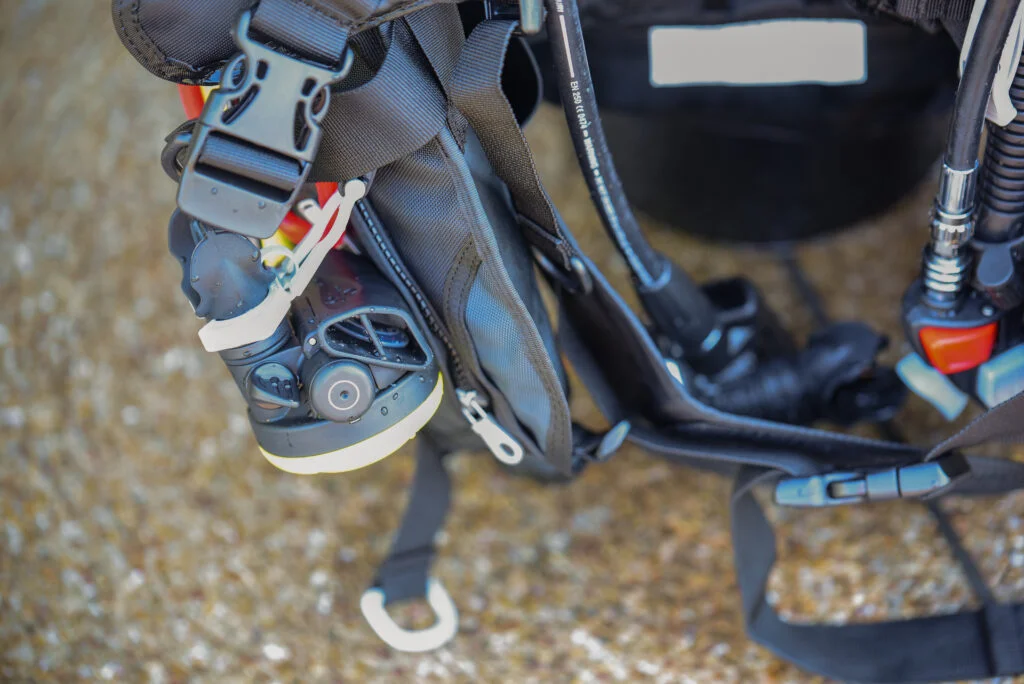
Buoyancy Control Devices

regulator on buoyancy control device equipment scuba diver

Fix Buoyancy Control Devices

Imagine you’re underwater, enjoying a serene scuba dive, when your buoyancy control device (BCD) suddenly stops working. Now, you’re sinking fast or floating up uncontrollably. But don’t panic! You can quickly identify and fix many common BCD problems with a few troubleshooting tips. Even if you need to surface, knowing how to troubleshoot to prevent issues on your next dive keeps you safe. Here are step-by-step instructions on troubleshooting and fixing the most common BCD malfunctions, empowering you to take control of your diving experience. Fix Buoyancy Control Devices in a guided manner.

Malfunctioning Inflation Valve

The inflation valve allows air into and out of your BCD. If it’s stuck open or closed, you won’t be able to inflate or deflate your BCD properly. Check that the inflation hose is securely connected and not kinked or damaged. You may need to lubricate or replace the inflationvalve itself.

Tears or holes

Carefully inspect the entire surface of your BCD for rips, tears, or holes. Even a small puncture can prevent it from holding air properly. Patch kits are available, but you’ll want to send them to an authorized repair shop for more extensive damage.

Non-Functioning Dump Valve

The dump valve releases air from your BCD. If stuck closed, you won’t be able to deflate. Stuck open, you won’t be able to stay inflated. Inspect the dump valve for debris blocking it from opening or closing. You may need to lubricate, repair, or replace the valve mechanism.

Faulty Over-Pressure Relief Valve

The over-pressure relief valve is a critical safety feature. It prevents your BCD from overinflating and potentially rupturing. If your BCD bursts due to extreme inflation pressures, it can lead to severe injuries. Therefore, it’s crucial not to use a BCD with a faulty OPRV. Instead, please return it to the manufacturer for repair or replacement to ensure your safety during dives.

Troubleshooting Your BCD: Step-by-Step Guide

Follow these steps to troubleshoot your BCD:

  • Check Your Tank Pressure: Make sure there’s enough air in your tank—below 500 PSI, the BCD may not inflate fully. If pressure is low, recharge or replace the tank.
  • Inspect the Inflation Hose: Look for tears, holes, or blockages in the inflation hose connecting the tank to the BCD. If damaged, replace it. Clear any debris clogging the hose.
  • Check the Dump Valve: The dump valve releases air from the BCD. Ensure it is fully closed, and the seals are intact. If the seals or the entire dump valve assembly are faulty, replace them.
  • Inspect the Oral Inflation: If using an oral inflation, check that the mouthpiece isn’t torn or blocked. Blow through the mouthpiece to ensure air flows freely. Replace the oral inflation if damaged.
  • Test the Power Inflation: Connect a fully charged tank to the BCD and press the power inflation button. If the BCD does not inflate, the problem likely lies with the inflation mechanism or hoses. Have the BCD serviced by a technician.

Preventing Further Problems

With some investigation, you should be able to determine the issue with your BCD and get back in the water. However, if problems persist or you have concerns, have your gear checked by a certified technician.

Repairing and Maintaining Your BCD

Regular maintenance and troubleshooting are required to keep your BCD in working order. Check over your BCD before and after each dive to ensure all components are functioning correctly and there are no signs of wear or damage.

Inspecting the Bladder and Valves

The bladder and valves control the amount of air in your BCD, so inspect them regularly. Check that the bladder inflates and deflates fully and holds air without leaking. Ensure all valves are clear of debris and open and close smoothly. If a valve is stuck or leaking, have it serviced by a certified technician.

Testing the Quick-Release Buckle

The quick-release buckle on your BCD allows you to detach from your gear in an emergency. Regularly test that the buckle releases smoothly by unfastening and re-clipping it. Replace the buckle immediately if it is stuck, corroded, or damaged. Your safety depends on it working correctly.

Cleaning and Lubricating

After diving:

  1. Rinse your BCD with fresh water to prevent corrosion of metal components like D-rings, buckles, and valves.
  2. Allow all parts to air dry thoroughly before storing.
  3. Lubricate moving parts like valves and quick-release buckles with silicone grease once a month to keep them working smoothly.

Cleaning your gear is always wise, but it’s imperative that you immediately wash after diving in saltwater.

Professional Servicing

Remember, having your BCD professionally serviced by a certified technician every 12 months is crucial. They will thoroughly inspect all components, replace worn or damaged parts, re-lubricate moving parts, and ensure they meet safety standards. This provides the safety and reliability of your equipment, giving you peace of mind during your dives.

Protect your Investment

Protecting your investment is critical. A systematic approach and proper precautions will allow you to safely inspect and repair your gear. Consult your owner’s manual for any specific care guidelines the manufacturer recommends. A well-maintained BCD is not just a piece of equipment; it’s essential for a smooth, enjoyable dive, emphasizing the value of your investment in your diving experience. 

Talk to A Master PADI Diver

Consider speaking with your instructor before you call on a certified technician. There may be a simple solution that an experienced diver can help you identify. Check out By The Shore SCUBA Instruction, run by Master PADI diver Kevin Alexander, for SCUBA diving instruction classes, diving gear, and information. 

Sources-

How To Clean Your BCD – Underseas Scuba Center Blog

Gear Maintenance: How to Take Care of Your BCD | DIPNDIVE…….

Essential BCD Care and Maintenance (mikesdivestore.com)

How to Take Care of and Clean Your Scuba Diving Equipment – SCUBAPRO (johnsonoutdoors.com)

Scuba Regulator Maintenance & Service Guide – SCUBAPRO (johnsonoutdoors.com)

How to clean your equipment • Mares – Scuba Diving Blog

How to Take Care of and Clean Your Scuba Diving Equipment – SCUBAPRO (johnsonoutdoors.com)

The Importance of Buoyancy Control – Divers Alert Network (dan.org)

BCD Parts Diagram | BCD Care and Postdive Maintenance Tips (private-scuba.com)

eng_Zeagle_manu_BCD.pdf (tradeinn.com)


Your Crash Guide to Becoming a SCUBA Diver
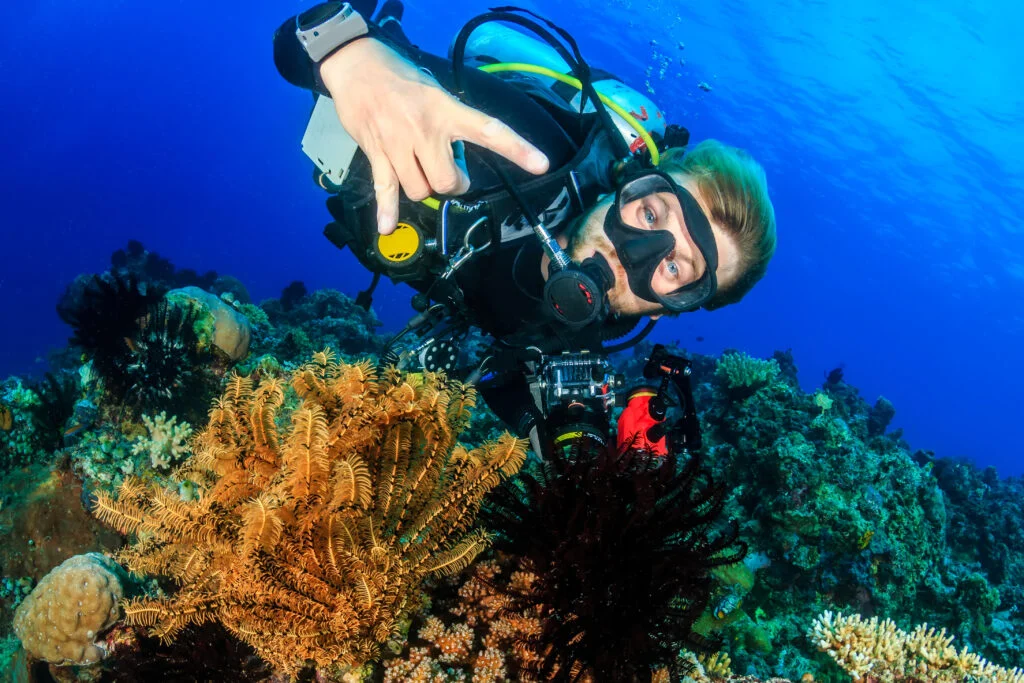
Beautiful underwater documentaries, photos, and experiences are shared online regularly amongst the SCUBA diving community. Considered water recreation, this activity does not require abnormal athletic ability but captivates people worldwide. Coming face to face with sea life is on the bucket list for many people. SCUBA diving gives you the most out of cruises and beachside vacations. With the rising popularity of SCUBA diving, you may wonder if you can embark on a dive. Though appealing and carefree, you need all your ducks in a row. Here is your crash guide to becoming a SCUBA diver and fulfilling your oceanic fantasies.

Getting your PADI Certification 

First and foremost, you need to know the type of certification you need. PADI certifications allow you to dive in the open ocean and use all the gear. Snorkel diving and free diving do not require certification for recreational purposes. To receive your PADI certification, take the Open Water diver course (get certified in as little as four days!) You need:

  • To be in good health (some countries and jurisdictions require a medical exam)
  • To be ten or older
  • Take a virtual PADI knowledge course such as PADI Elearning.
  • Obtain a PADI certification from a PADI-certified Master Diving Instructor.
  • Equipment
  • Fill out any forms required.
  • Most Open water class prices start at $550. 

SCUBA Diving Equipment

Some PADI instructors will provide you with air and life-saving equipment. Speak with your instructor beforehand before purchasing personal equipment. Most instructors do not recommend buying personal equipment until after the first class. Some schools offer life-saving equipment and require outside life-saving equipment to undergo inspection. You will need the following equipment:

  •  Reef gloves and hand protection
  • Your ID
  • Some schools require textbooks
  • Your mask, snorkel, fins, wetsuits, and drysuits (for cold water dives)

Life-Saving Materials

  • Buoyancy control device(BCD)
  • A regulator with your BCD
  • weight belts
  • dive computers Dive tables
  • weights
  • air and tanks (some schools provide these)

With all these materials, ask your instructor what they provide and what you need. You may need these things later, so come up with a plan. The cost of all these materials together can cost up to $5000. Some people rent these materials for $150-$200 a day. You can keep certain personal items and rent equipment like your life-saving devices. Paying as you need things is the smart way to go. Try not to rent materials for long-term investments. 

Additional Items

After you add up the costs of gear, keep these items in mind:

  • Research if you need your safety tube or other equipment for the jurisdiction where you are diving. 
  • Dive insurance for medical reasons and equipment can start around $130-$200 monthly per person, depending on the coverage.
  • Dive video and camera equipment can rise close to $1000.

Bon Voyage

After you have gone through your checklist and determined what you need now or later, it’s time to book an excursion. 

  • Chart an excursion with a PADI-certified team or instructor. You need to know there will be one individual with you that has a Master’s diving certification and is allowed to instruct others. 
  • Look for a top-rated excursion crew with a good reputation and who is reliable. 
  • Take a diving buddy. You may have your instructor present, but if they are leading a crew, you will need your dive buddy, who is also SCUBA certified. 

Embarking on your first excursion is an exciting experience you won’t want to forget. The dive camera ensures you can make memories that last a lifetime.

Sources-How Much does Scuba Gear Cost? & Is It Better to Rent? • Our Globetrotters

Best Scuba Diving Insurance (2022 EDITION) (divingsquad.com)

How Much Does Scuba Gear Cost? | Scuba Diving (keylargoscubadiving.com)

Scuba Certification: Everything You Need to Know (padi.com)

Amazon.com: scuba tank costs

Why You Need a Perdix 2 Dive Computer from Shearwater

Scuba diver makes the ok sign with two hands

The Perdix 2 dive computer, a cutting-edge computer with attachable components, sleek design, and reliable strength, is a must for the serious diver. The diving community trusts Shearwater products because of their numerous awards and certifications, such as their Teric lithium Battery certification and their Eurotek 2014 award for innovation. The dive watch company has gained notoriety among marine biologists. The safety certifications are not the only appealing factors to the Perdix 2. Its pristine appearance, which includes reliable titanium framing, adds to its distinction. If you have $1400, you can invest in a reliable, cutting-edge dive watch (one that will see you through a professional-level deep water dive); look no further. Here is why you need a Perdix 2 dive computer from Shearwater.

Materials

What makes the Perdix 2 sturdy, reliable, and resilient are the materials used to make it. With titanium, the armored casing surrounds the bezel. This strength enables the bezel to stay intact and give accurate oxygen readings. The piezo touch buttons are titanium which protects the integrity of the electrical makeup of the computer. The screen is made from aluminosilicate, meaning its high alkali for strength. Aluminosilicate glass can withstand temperatures of 375°C (707°F), making this an intensely reliable watch. 

Multiple Diving Modes

The multiple diving modes of the Perdix 2 mean that you don’t have to upload or change software, buy a special attachment, or purchase another watch. The diving modes included are a gas nitrox mode, an OC technical dive mode, closed circuit/bailout, and gauge modes. The nitrox gas mode allows optimization between these three modes: air, nitrox, and three gas nx. The OC technical mode allows the air to integrate optionally. Closed circuit and bailout modes keep PO2 at a constant, which lowers your risk of hypoxia, but the bailout gas mode allows the free flow of oxygen in case your body craves more oxygen. The gauge modes display the pressure of your tanks, depth, and time, and this mode offers a complete diving log. Ask your dive instructor which mode selection works best for you. 

Additional Information

Along with its multiple diving modes and state-of-the-art materials, the Perdix 2 gives off warning vibrations to alert you to potential dangers and changes in your air system. It has Bluetooth wireless technology and Cloud control available in 13 different languages. Cloud control lets you download and display dive logs quickly onto any device. The Perdix 2 offers more than most dive computers. Change modes with care. Consulting an experienced PADI instructor will ensure that you safely program your watch for the best oxygen optimization. By The Shore SCUBA Instruction offers PADI instruction certification and Nitrox courses. If you purchase a Perdix 2, meet with our instructor Kevin Alexander to learn how to use it safely. We can also help you service other Shearwater equipment.*

*Disclaimer- By the Shore SCUBA Instruction does not guarantee your safety while using a Perdix 2. SCUBA lessons and speaking with a PADI instructor are the best way to ensure your safety. By the Shore SCUBA Instruction cannot guarantee your safety on any dive since all dives come with some reasonable risk. 

Sources-Shearwater PERDIX 2 – Toughest, most reliable full-size computer yet!

Constant PO2: What Is It, and How Is It Different than Nitrox? – International Training – SDI | TDI | ERDI | PFI (tdisdi.com)

ALUMINOSILICATE (auer-lighting.com)

Shearwater Teric Dive Computer Review by a Marine Biologist — Nature Tripper – The Insider’s Guide to Wildlife Travel