Do you need a SCUBA certification to Freedive ?

SCUBA Certification
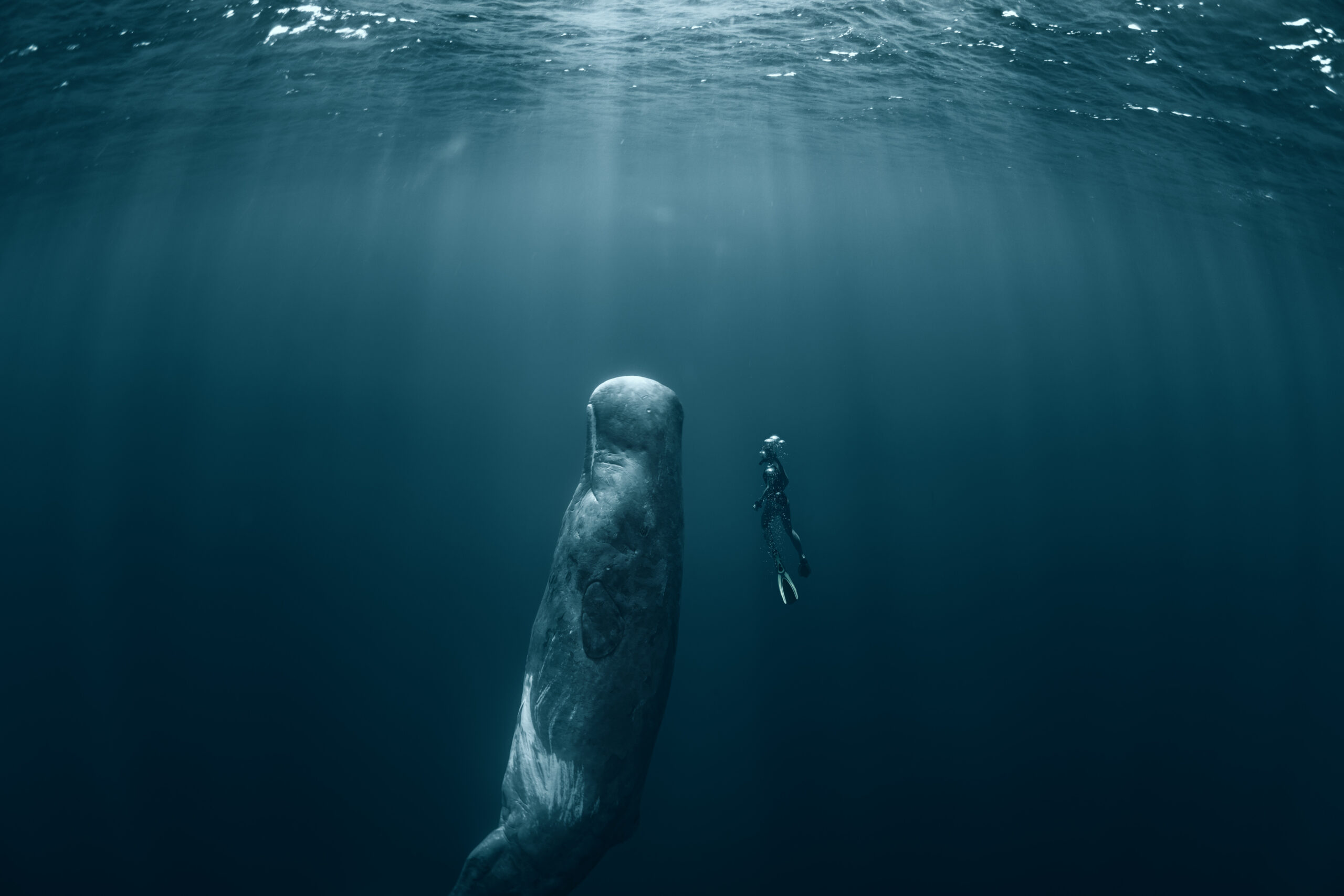
Sperm whale and Freediver

Freediving immerses you into the underwater world without a tank or scuba gear. Freedivers, such as Marina Kazankova, known for breath-holding, Guillaume Néry from the short film One Breath Around the World, and Herbert Nitsch with the deepest dive depth, are well known by National Geographic and aquatic sports audiences around the world. Guillaume mystified audiences in his short film when he drifted above sharks and suspended himself in the body of the sea with Sperm whales. The experience of being able to dive freely is natural and relieving for many. The amount of time one can hold their breath depends on preparation and bodily capability. If you are wondering whether or not you need SCUBA diving classes to free dive, consider all angles. Then emerge into professional or amateur free diving. 

There is an immense difference between freediving and SCUBA diving. SCUBA diving has its certification so that someone can safely operate and use the equipment. The freediving certification, NAUI, helps year learn how to dive with your body. Make sure that your instructor is NAUI certified. Ensure they have not had their certification stripped. One wrong move can render a blackout in shallow water. You need to be able to trust the instructor. SCUBA diving could enhance your free dive experience. 

Many argue you don’t even need a freediving certification because there are no rentals required. Freedive seems relatively natural. Observe the spearfishermen from Indonesia who start underwater fishing in their youth. The sea nomad community has been practicing this art for thousands of years. For most of us, our ancestors did not develop or pass on these traits. As seen with the record holders, you don’t need to grow up fishing underwater to free dive for minutes. Your body will need to adjust and adapt to this physically intensive sport. For safety and equipment management, a Freedive certification will be beneficial. Here is how SCUBA diving could help you with freediving. SCUBA diving teaches you how to use a variety of equipment needed to sustain yourself for long periods. The equipment you learn to use is tanks, wetsuits, buoyancy control devices, diving masks, fins, regulator, depth gauge, dive computer, and submersible pressure gauge. When you learn to use tanks, you will gain experience conserving your air. You will get used to a solitary source of oxygen. The same is true for your body when you free dive. With freediving, you will have to learn to capture as much oxygen as possible and maintain it within your body. After you complete a SCUBA certification, you can complete add-on certifications such as cave-diving, shipwreck dives, and Nitrox rich air dives. Breathing Nitrox air allows divers to stay underwater longer. Learning to use Nitrox air will help you with or without equipment. Breathing Nitrox air before entering the water can deliver the oxygen-rich air a diver needs before going underwater for extended periods. Some freedivers breathe Nitrox air before entering the water. Nitrox is not allowed for freediving competitions. There are plans to hold a Nitrox enriched free dive record competition. Having Nitrox ahead of time will likely help keep your blood oxygen and nitrogen-rich and decrease the likelihood of freediver complications over time. 

Over time more courses will emerge for free diving. Taking a SCUBA course allows you to get used to the feel of freediving. You learn how to use equipment, and you enable yourself to get used to the various pressures of the water. 

If you are interested in taking a SCUBA course or have questions about freediving, ask Kevin Alexander our Senior PADI instructor for advice. 

Sources

https://www.nationalgeographic.com/adventure/article/freedivers-guillaume-nery-julie-gautier-one-breath-around-world

http://divemagazine.co.uk/skills/6777-scuba-diving-records

https://www.guinnessworldrecords.com/news/2021/5/freediver-holds-breath-for-almost-25-minutes-breaking-record-660285
 

Caribbean Reef Sharks: Why Divers Seek these Sharks Out the Most

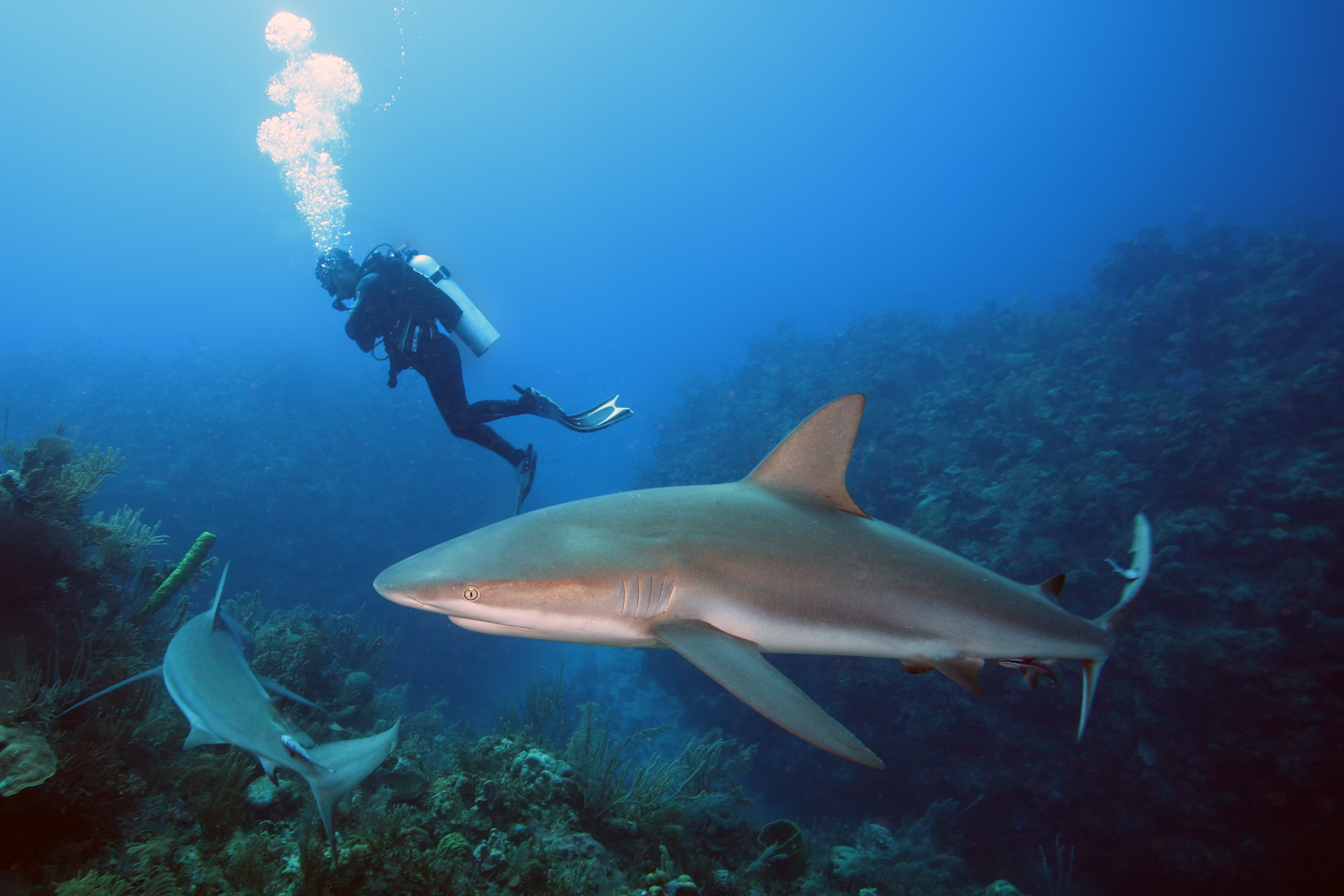
The Caribbean reef shark (Carcharhinus perezii) swims over reef in blue.


Diving or snorkeling in the Caribbean is utter bliss. The crystal-clear waters of the Caribbean Sea offer perfect conditions. With mild currents, warm waters, and high visibility, this glassy body of water offer divers and sea lovers an unforgettable experience. These conditions reach an entirely new and exciting level when divers explore the seafloor looking for vibrant encounters. Lobsters, colorful tropical fish, turtles, eels, barracudas, rays, and different types of sharks inhabit these tropical waters.
Amongst the shark species in the waters of the Caribbean Sea, you could meet hammerhead sharks, whale sharks, bull sharks, tiger sharks, lemon sharks, nurse sharks, and blacktip reef sharks. The most distinctive species of shark in the Caribbean is the Caribbean Reef Shark.


Reef Sharks and Humans


These rare creatures are not as well known as the Great White shark, but their size and behaviors make them a unique encounter. Divers seek them out due to their uncanny behaviors with humans. These animals do not attack unless provoked. Injury caused by any aquatic animal is usually the result of a defense mechanism of the animal, who feels threatened or cornered. To avoid incidents of any kind, we should respect the animals and interact passively with them.
These sharks interact in submissive ways towards humans.


Feeding Reef Sharks: Feed at your own risk.


Expert divers featured on the Discovery channel have been known to boldly feed the sharks large chunks of meat from their spears. We recommend you approach this at your own risk wearing a metal chain-link diving suit. FIU Marine Scientist Mark Bond and Guy Fieri were the brave divers to feed these voracious sharks. However, this came with fatal risk as a reef shark snapped at the cameraman’s hand as he mistook the camera for food. Luckily he was in a chain metal suit.


Where can I find Caribbean Reef sharks?


Caribbean reef sharks still are a common encounter in these waters, and therefore quite popular in the diving and snorkeling world. They love swimming close to the bottom of the reef. They move around sandy bottoms, plateaus, and shallow coral patches. They enjoy the waters of the Western Atlantic Ocean, from the Florida Keys down to Brazil, and divers from all over the world come to meet them around the dive sites of Cuba, the Bahamas, Jamaica, Belize, Aruba, Bonaire, Honduras, and Turks and Caicos.


Reef Shark Characteristics


With their vigorous movement and streamlined body, Caribbean Reef sharks are the picture of beauty and grace. They are amongst the large sharks (measuring up to 3 meters/10 feet) found in this part of the world. They are still very peaceful and solitary animals. They generally hunt for dying preys, the weak specimens of their schools, acting like cleaners of the reef, and this is why they might get excited around speared fish, inquisitively swimming closer and closer to divers and fishing boats. They usually are resting still and almost entirely motionless on the sandy bottom or inside caves or overhangs. This behavior is unusual for other sharks and is a distinctive habit typical of this particular species.


Help protect Reef Sharks.


Their preference for shallow waters and their lazy conduct allow many divers, even beginners, to meet them. On the other hand, this also exposes them to risks such as local and commercial fishing and shark finning. They are considered a near-threatened species on the World Conservation Union red list and are therefore vulnerable to extinction as their population is rapidly decreasing. Diving with Caribbean Reef sharks remains a unique experience. They are great photography and videography subjects and can be approached at close distance, making your dive one remember.


How Can I Dive or Swim with the Orcas?

Diving with Orcas Adventure

Experience the Magic of Swimming with Killer Whales in the Wild

Diving with marine life is a dream for many adventurers. SCUBA diving allows us to explore the ocean’s wonders, from vibrant coral reefs to encounters with some of the most incredible sea creatures on the planet. While some divers seek the thrill of swimming with sharks, others are fascinated by the gentle nature of dolphins and whales.

Among the most awe-inspiring marine encounters is diving with orcas, also known as killer whales. These powerful yet intelligent creatures are among the ocean’s top predators, using echolocation to navigate and communicate with their pods. Despite their large size—growing up to 10,000 pounds with dorsal fins reaching 6 feet—orcas pose no known threat to humans in the wild.

For those seeking a once-in-a-lifetime experience, there are select destinations around the world where divers can safely observe orcas in their natural habitat. If you dream of diving or swimming with orcas, here are the best locations where you can experience these majestic creatures up close.


Best Places to Dive or Swim with Orcas

Norwegian Fjords – A Thrilling Cold-Water Dive with Orcas

📍 Best Time to Visit: Late October to Mid-January

The Norwegian fjords are one of the best places in the world to dive with orcas. Each winter, these waters fill with migrating herring, attracting pods of orcas hunting in coordinated groups. Divers who venture into the Arctic’s freezing waters can witness orcas displaying extraordinary teamwork, using tail slaps and bubble nets to catch their prey.

Apart from orcas, divers may also encounter WWII shipwrecks, spiny dogfish, wild salmon, seals, kelp forests, and nudibranchs. The aurora borealis (northern lights) adds an unforgettable glow to the experience, making this one of the most magical dive locations for wildlife enthusiasts.

Explore More About Cold Water Diving →


British Columbia & Strait of Georgia, Canada – The Ultimate Orca Watching Experience

📍 Best Time to Visit: April to October

Canada is home to one of the largest populations of orcas in the world. The Strait of Georgia and British Columbia’s coastal waters provide an excellent opportunity to observe breaching orcas up close. Here, diving charters take visitors to key locations where orcas pass through during their seasonal migrations.

Although direct diving with orcas is uncommon in Canada, snorkeling and surface encounters allow visitors to witness orcas swimming alongside their pods. With its rugged coastline and breathtaking marine life, British Columbia is a must-visit destination for orca lovers.

Learn More About Whale Watching →


Poor Knights Island, New Zealand

📍 Best Time to Visit: December to February

If you prefer warmer waters, Poor Knights Island in New Zealand is an ideal destination to see orcas in a tropical setting. During the summer months (December through February), orcas migrate through this region, with pods of 6-12 whales frequently spotted near Kaikoura and Wellington Harbour.

New Zealand’s warm climate and crystal-clear waters make it an excellent location for SCUBA divers of all experience levels. Additionally, the abundance of diving charters in the area ensures that divers have access to well-guided experiences.


Costa Rica

📍 Best Time to Visit: September

Costa Rica may not be the first place that comes to mind for orca encounters, but Isle de Coco, Cabo Blanco Marine Reserve, and Cahuita National Park offer some of the best chances to spot these majestic creatures. Tambor Bay, Cabuya Island, and Tortuga Island are also popular SCUBA diving destinations where divers can get up close with marine life, including orcas.

For those interested in free diving with orcas, the waters around Coco Island in September provide an excellent opportunity to witness migrating pods. The rich biodiversity of Costa Rica’s marine ecosystems makes this an unforgettable SCUBA diving and wildlife experience.


Other Ways to Encounter Orcas Without SCUBA Diving

Not a certified SCUBA diver? No worries! You can still experience orcas in their natural habitat through other thrilling adventures.

Free Diving with Orcas

  • Norwegian fjords offer some of the best free diving experiences with orcas.
  • Cold-water diving gear is necessary to withstand the Arctic temperatures.

Swimming with Orcas

  • Swimming with orcas is illegal in most countries, but Coco, Costa Rica, and Norway allow limited encounters.
  • Snorkeling and surface interactions provide a thrilling experience.

Kayaking with Orcas

  • Seattle, Washington (Puget Sound) is a popular kayaking spot for safe and eco-friendly orca encounters.
  • Kayakers can observe orcas from a safe and respectful distance.


Frequently Asked Questions (FAQs)

1. Is it safe to swim with orcas?

  • Yes! There are no recorded attacks on humans by wild orcas. They use echolocation to recognize their surroundings and do not mistake humans for prey.

2. Where is the best place to dive with orcas?

  • The Norwegian fjords are considered the best location due to their high orca population during herring migrations.

3. Can I swim with orcas without SCUBA diving?

  • Yes, free diving and snorkeling with orcas are possible in locations like Costa Rica and Norway where it is legally permitted.


Ready for Your Next Dive Adventure?

Swimming or diving with orcas is a once-in-a-lifetime experience. Whether you choose to dive in the Arctic, free dive in Costa Rica, or kayak in Seattle, encountering these magnificent creatures will leave you in awe.

Call us at 919-247-0356 to learn more about SCUBA diving trips & charters.


Book Your Next Diving Adventure →