How to Find the Correct SCUBA Dive Watch

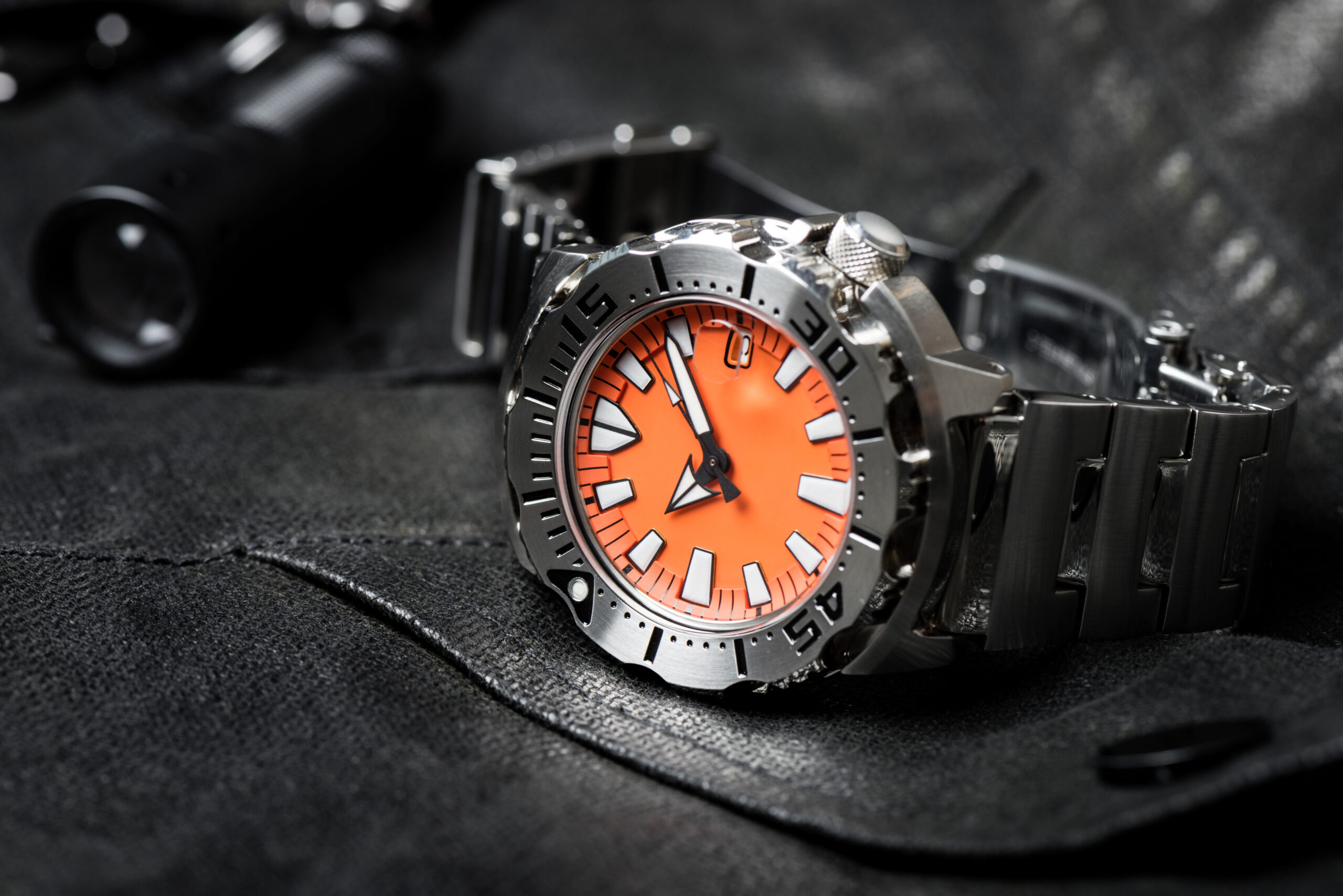
closeup watch for diver with orange dial

Diving watches can range in price from $100,000 range to $25. This huge price difference leaves new PADI divers wondering how much they need to invest in a diving watch. Ratings on Amazon are not a determining factor since many people who purchase dive watches are not necessarily divers. For fashion purposes, highly rated, low-priced dive watches are worth buying. You cannot depend on ratings unless you read reviews from individuals who used the watch for SCUBA diving. Here is how to find the correct dive watch for SCUBA diving. 

How to find the Correct Dive Watch

Diver watches like Invicta watches under one hundred dollars claim to be pro diver watches. While Invicta watches have proven to withstand water pressures 200 meters below, wear and tear throughout time can lead to the watch malfunctioning. SCUBA diving watches should be ISO certified for open water deep sea dives. 

  • Entry level ISO certified watches start at about $200 and hike upward. For open water dives, watches, such as Citizen ProMaster, work for SCUBA divers and last on one charge for six months. This watch is low maintenance and offers basic features. For most water sports, 200-meter dive watches are very effective, but buffer watches with 300-meter dive depts allow for more strain over time. 
  • Even though most dives occur above 200 meters, dive watches can stay underwater for long periods. Most divers select watches marketed as exceeding the 300-meter mark. For dives deeper than 200 meters, you will need to invest a bit more into your ISO-certified dive watch. Most SCUBA dives never exceed 200 meters, but occasionally experienced divers will need to dive deeper than 200 meters. Technical divers need a dive watch that will sink below the 200-meter mark. Extended-time divers will find little complication if they select a dive watch that exceeds the 200-meter pressure limit. For a reliable dive watch exceeding the 200-meter mark, you will probably spend $1500 and exceed $5000, depending on the brand. Reliable dive watches that exceed 200 meters and are below the $5000 price range are Seiko Prosmax MarineMaster, Oris ProDiver, and Mido Oceanstar Diver.  
  • Deep-sea professional SCUBA divers need a watch that exceeds 500 meters. The most effective dive watches for deep sea SCUBA divers are 1000-meter pressure gauged watches. These watches easily exceed $2,600 and soar up to the $10,000 price range. Finding a reliable used deep sea watch is ideal for those looking for a reasonable price range, but have your PADI instructor check to see if it works. Repairing it may indicate you need to invest in a SCUBA dive watch of your own. It will be rare for you to find a reliable 1000-meter dive watch lower than $5000. Here are some reliable, reasonably-priced dive watches that meet the 1000-meter underwater pressure gauge: MWC Depthmaster, Pantor Seahorse, Zelos Abyss 3, Oceanx Sharkmaster, and Deep Blue Pro Sea Diver. 

Before purchasing an expensive dive watch, conduct the following:

  •  Read reviews on the dive watch of your choice from experienced SCUBA divers.
  • Speak with your PADI team leader or instructor.
  • Investigate the internet for used watches that exceed your water resistance requirements.

If you are taking a casual dive or a beginner course, consider an INVICTA in the lower price range of $200 or less. Asking experienced PADI divers will give you a more accurate picture of what you need in a dive watch. By the Shore, SCUBA Instruction is a leading dive instruction school headed by Kevin Alexander. Check out our merchandise on By the Shore SCUBA Instruction’s website for quality diving gear. If you don’t see something on our website, feel free to request different SCUBA gear on our website. If you have questions concerning dive watches, we would be happy to answer any specific concerns.

Sources

How to Clean your SCUBA Gear

Complete scuba gear available at Raleigh scuba
SCUBA gear maintenance
Proper Maintenance extends the life of SCUBA gear.

If you SCUBA dive often, you know servicing your gear should occur after about 100 dives for equipment longevity. You should also clean their gear after each dive. Find out the best way to clean your SCUBA gear. 

     Wetsuit, Drysuit, Booties, and Gloves Care

Wetsuits, dry suits, booties, and gloves use expensive neoprene materials. It is recommended to wash them in wetsuit shampoo. Don’t rush to throw your wetsuit or dry suit into the washer with any store-bought detergent. The best way to wash your wetsuit is with wetsuit shampoo. Soak it in baking soda beforehand for extra cleaning power. To ensure your suit lasts longer and keeps its flexibility, soak it in lukewarm water. Keep it out of the heat for extended usage. You can use a toothbrush to dislodge any dirt or sand that comes in contact with your zipper. Wash your gloves and booties like wetsuits. If you are cleaning a dry suit, spray off dirt with water and wash with a high-quality dry suit shampoo. You can use wetsuit shampoo if needed. Make sure you protect your dry suit zippers with a bee’s wax-based lubricant to detract dirt. Clean your wetsuit and dry suit daily so that they will not erode over time or grow bacteria. Properly dry the inside of your booties and gloves with a paper towel to prevent mold growth.

Masks, Fins, Snorkels, Regulators, and Mouthpieces

All of these items need sanitization regularly. Before cleaning, make sure all items are unbuckled, taken apart gently, and placed in cool water. Make sure the dust cap is dry, clean, and secured over the inlet. Masks, fins, snorkels, regulators, and mouthpieces should soak in warm soapy water until the dirt dislodges. Following the soak, sanitize these items in solutions designed specifically for diving gear. 

Buoyancy Control Devices

These devices are very intricate and easy to mess up. You do not want water trapped inside of this device. Follow these detailed steps to clean the buoyancy control device.

  1. Gently rinse your BCD and use a brush with wetsuit shampoo to handwash your BCD on the outside. 
  2. Dump all of the water out of the bladder. 
  3. Use your low-pressure inflator hose to pour cold, clean water into the bladder to wash out excess old water. 
  4. Rinse your BCD on the inside and outside.
  5. Invert the BCD so that the inflator hose is the lowest point, and pour out the excess water.
  6. Inflate the BCD halfway and allow it to dry completely. 

     For tanks, keep moisture out by filling to 25-500 PSI. Chlorine and salt can erode your tank over time. Rinse your tank with water and wipe it down after coming into contact with chlorine. If a bit of rust appears on the outside you can use a brush and dish soap to clean it away. Rust on the inside is very difficult to remove and can permanently damage your tanks rendering them harmful to your breath. The only lubricant you should ever use on your equipment is beeswax. Oil attracts dirt and, petroleum jelly can ruin your rubber O-rings. 

How To Stay Warm During a Cold-Water Dive

Drysuits are necessary for cold water dives.

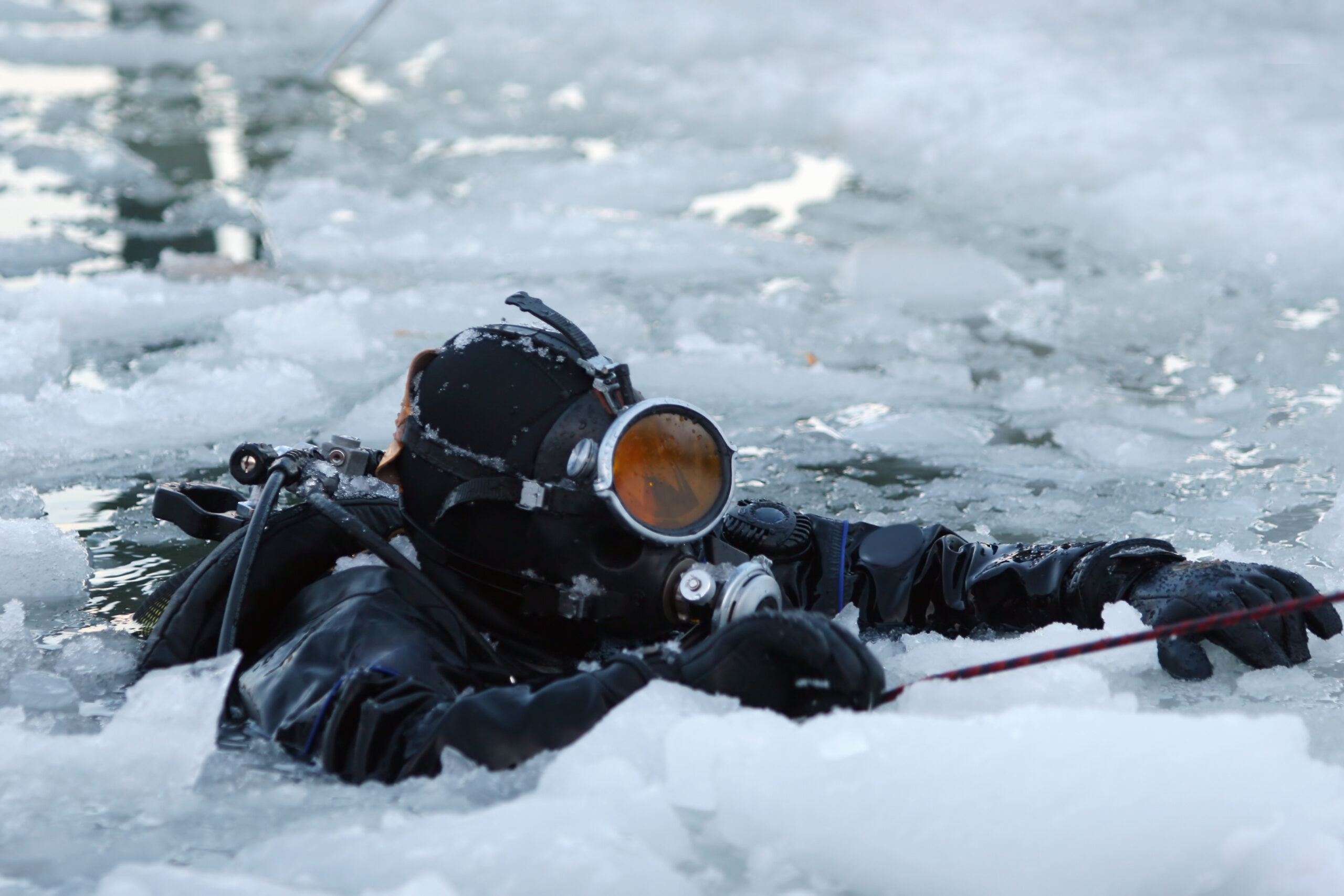
Divers who are intrigued by the “Polar plunge” or ice dives are willing to push the limits of their bodies to experience the beauty of underwater diving. Beautiful icebergs and macro life make for unique diving experiences. If you anticipate a cold icy dive, take these steps to ensure you don’t develop hypothermia, frostbite, or other cold-related conditions.

Find a Dry Suit versus a Wet Suit

If you are diving in waters 50 degrees F or below, you will need a high-quality dry suit. Drysuits allow you to stay warm and layer clothing underneath using a thin layer of air around the body. High-quality zippers, seals, and valve openings allow you to dive without the threat of allowing water to seep in. Latex suits are a more customizable seal. Neoprene is also a high-quality material. By the Shore SCUBA Instruction offers high-quality wet suits for purchase.

Build Up Your Resistance to the Cold

The best way to build up resistance to the cold is by keeping the temperature in your home lower than the summer temperatures. This way the body will start to develop an equilibrium between inside and outside. You can also try to take cold showers. The cold water on your skin will equate to a polar dive with a dry suit. Put on a wet suit and go for a swim in a pool if you can. You will want your inside somewhat warmer than the outside. Just avoid toasty temperatures as much as possible before your dive. Start gradually and work your way up to swimming in that freezing pool. Ask your dive instructor for advice on how to approach a polar dive.

Buy High-quality Fitted Drysuits

High-quality stitching, neoprene, and appropriate fit make for the perfect drysuit. Suits need tight seals around the limbs and neck with fluidity around the legs. High-quality drysuits will make room for the wetsuits or drysuit undergarments you choose to layer under the drysuit. Look for terms such as “seal” or “self-donning zipper”. A drysuit needs to be easy for you to get into without letting in the water.

An example of trustworthy drysuits is Pinnacle dive suits. 

They offer self-donning front zippers and tight valve seals. Pinnacle sells a traditional drysuit with a valve and a military-approved suit with latex groin bands for flexibility. Both are made with high-quality neoprene and have a front zipper made with Aquaseal. These suits resist scraping and cutting with their heavy-duty outer membrane exterior.

If you are interested in finding the right drysuit or developing resistance to cold water, feel free to reach out to Kevin Alexander at By the Shore SCUBA Instruction.