Keep Your SCUBA Game Up with these Rituals

Keep your SCUBA game

Keep your SCUBA game

Your Dive Experience

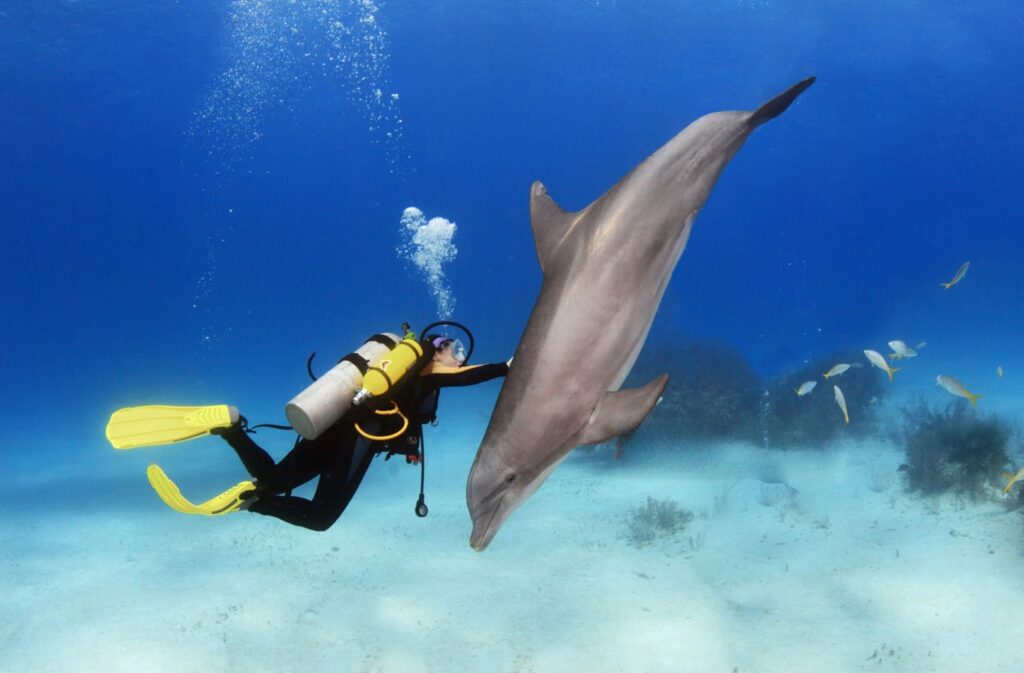
Scuba diving is a portal into another world with abundant marine life, coral reefs, caves, and shipwrecks. Every dive offers a new experience, making it an unparalleled way to connect with nature and experience the ocean’s wonders. However, scuba diving has risks, and being well-prepared is essential for ensuring safety and enjoyment.Keep your SCUBA game up by reading about our rituals.

Keep your SCUBA Game with these Rituals

Proper preparation, including good fitness levels, confidence in the water, and gear maintenance, is essential for safety and allowing one to explore the ocean confidently. Here’s a list of 10 things to integrate into your lifestyle to ensure you are best prepared for your next dive.

Keep Your SCUBA Game Up

Daily

  • General personal fitness: Incorporate regular aerobic exercise like running or walking. This will help improve stamina and help the body transport oxygen to muscles more efficiently. It will also help you better manage your air consumption for a longer dive!
  • Eat a healthy diet – High-fat diets can increase susceptibility to decompression sickness[1]. Maintaining lean mass will improve your body’s ability to carry oxygen and improve circulation, making you less susceptible to decompression sickness. Eat a balance of protein, vegetables, and some fat with plenty of water.

Weekly

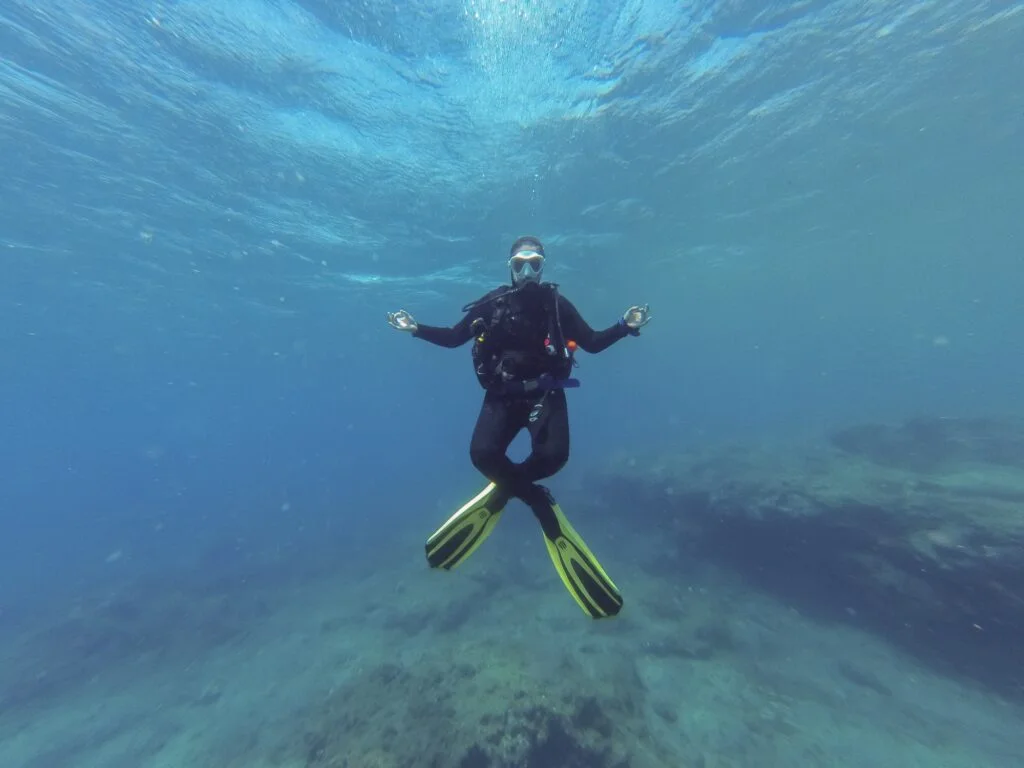
  • Breathing techniques: Practice yoga or meditation on a weekly basis to drastically improve your diving experience, both physically and mentally. Staying calm and relaxed is an essential part of scuba diving, and focussing on breathing techniques will help you maintain calm throughout your dive while also managing air consumption.
  • Strength training—While scuba diving brings the feeling of weightlessness, carrying equipment to the shore certainly doesn’t. Incorporating strength training a few times a week will help ease any discomfort or risk of injury from carrying equipment. Focusing on deadlifts, other posterior chain exercises, and core stabilization exercises will contribute to stability in carrying equipment.

Monthly

  • Health checks—Maintaining good and well-being and having regular health checks is essential. Any changes in your medical condition, such as increased blood pressure, could impact your ability to scuba dive safely.
  • Swimming—Regular open–or pool-based swimming sessions can help maintain confidence in the water. Practice treading water for several minutes to simulate the feeling of being on the surface before or after a dive.

Annually

  • Gear Maintenance—Any personal Scuba gear must be serviced annually or after 80-100 dives, whichever is soonest. Well-maintained scuba gear is essential to a safe dive.
  • Gear storage: Tanks should be stored in a cool, dry place away from direct sunlight or heat sources with at least 200 psi to keep out moisture and prevent corrosion.

Keep on top of skills.

Scuba skills are particular and, like most skills, lapse over time. It’s essential to practice these skills on at least an annual basis. Not only should you keep up to date with developments in the SCUBA diving world by reading from news and blogs, but you also need to stay updated on your diving skills. Depending on your certification and experience level, you may wish to undertake a refresher dive. Schools such as By the Shore SCUBA Instruction have you covered by our experienced PADI dive master, Kevin Alexander. Check out our page for chartered excursions with a group, and get your flippers wet.

Sources-

[1] https://diving-rov-specialists.com/index_htm_files/scient-c_352-influence-high-fat-diet-occurrence-deco-stress.pdf

Deep Sea Diving: Is Your Heart Ready for Underwater Adventures?

deep sea diving heart health

deep sea diving heart health

Deep Sea Diving: Is Your Heart Ready for Underwater Adventures?

Are you planning to dive into the deep sea? Imagine the excitement as you prepare to jump into the underwater blue world. You can almost feel your heartbeat strongly, pounding with excitement and thrill. But before you take that adventurous dive, you must clear one crucial checkpoint: your heart health.Deep Sea diving has increased worldwide, as people are more enthusiastic while taking part each year. It requires the human body to adapt to the physiological changes that place stress on the body. So, heart health and physical fitness are essential for practicing this sport. A medical assessment is required only when facing heart issues to assess individuals’ fitness for diving practice.

Deep Sea Diving: Is Your Heart Ready for Underwater Adventures?

You dive headfirst into an aquatic adventure but remember that your heart dives first. The heart plays a pivotal role in deep-sea exploration. The cardiovascular system is most influenced by external water pressure. The deeper you dive, the higher the pressure your body faces. There is more poor circulation in limbs, and the heart maintains that pressure. It works tirelessly to pump oxygen-rich blood to our muscles and vital organs. So, the heart has to work at its total capacity. You can understand how the heart must be healthy for this enjoyable diving experience. It’s a safe sport until you keep your heart health a priority.

Why Heart Health is Important in Deep Sea Diving

At the dry land, your heart buzzes along, keeping you alive and well. Your oxygen supply is limited in water. Your heart must efficiently use every bit of oxygen from your reservoir. Under the crushing pressure of the deep sea, it faces a persistent challenge. When you dive, your body undergoes several physiological changes, so your heart health matters to enjoy marine life:

  • Increased Oxygen Demand

Swimming is a physically demanding activity that requires perseverance and strength. At the same time, managing diving equipment requires significant effort. Your body tries to put your heart to work at the best capacity to meet the oxygen needs.

  • Reduced Heart Rate

The mammalian diving reflex stimulates the vagus nerve, which lowers the heart rate. This reflex is important in mammals to reduce the consumption of oxygen. However, in humans, it is very systematic as blood pressure increases, thus resulting in a load on the heart.

  • Increased Blood Volume

When you dive, water exerts pressure on your body and, thus, on blood vessels.  It increases the blood volume in your chest, boosting central venous pressure and increasing cardiac output to circulate the larger blood volume.​

  • Change Of Temperature

There is always a sharp drop in temperature that can cause coronary artery spasms and arrhythmia. This can result in a heart attack or cardiac arrest.

Reflect on Deep Sea Diving: Is Your Heart Ready for Underwater Adventures?

Your heart’s capacity to support a high blood output lessens with age and disease. Having a healthy heart is of the utmost importance for a diving experience. If you have health issues with some symptoms, particularly those that limit physical capacity. A doctor should evaluate you in detail before diving, namely:

  • Chest pain while doing exertion
  • Palpitations, loss of consciousness, and shortness of breath
  • Unable to climb a few flights of stairs
  • Hypertension or high blood pressure; elevated risk of a stroke due to the rupture of blood vessels
  • Heart mumble

Essential Tips for Deep Sea Diving and Your Heart Health

Smoking, high cholesterol, sedentary lifestyles, and obesity are also some risk factors for heart disease. There might be symptoms that could appear underwater that are hidden on dry land.

  • It is important to have regular medical checkups to ensure that your heart is fit enough to dive. A cardiovascular health assessment on time can prevent your dream dive experience from being spoiled.
  • If you want to have a good diving experience with fitness, quit smoking, which is harmful to the heart.
  • Leave a sedentary lifestyle and exercise daily for a healthy heart and a suitable body shape.
  • If you are facing heart disease, you must pass the rigorous exercise test on a treadmill called the Bruce Protocol test to return to water land.

Deep Sea Diving: Is Your Heart Ready for Underwater Adventures?

Diving has no age limit; you can dive for much longer. Treat your heart with care as it cares for you. Regular exercise, a balanced diet, and medical checkups are crucial for a safe and long-term deep diving experience. Dive deep and dive safe with this incredible bouncing piece that matters in every second. For more information on becoming a deep sea diver contact By the Shore SCUBA Instruction run by Kevin Alexander, our seasoned PADI master.

Sources-

-News – Snowdonia Watersports Ltd. https://snowdoniawatersports.com/blogs/news

-https://tweakindia.com/wellness/fitness/at-18-she-couldnt-climb-up-stairs-without-pain-at-23-shes-hitting-100kg-deadlifts-and-has-transformed-her-life/

Five Ways to Prevent Heart Disease – Coastal Urgent Care Bossier. https://coastaluc.com/health-blog/five-ways-to-prevent-heart-disease/

-http://www.scubadiving.com/final-step-heart-health-and-scuba-diving

-https://www.hospitaldaluz.pt/en/health-and-wellness/diving-and-heart

-https://kardi.ru/en/index/Article?&ViewType=view&Id=57

-https://www.offshore-energy.biz/effects-of-diving-on-health-and-circulatory-system-study/

-https://www.scubadiving.com/ask-dan-how-does-heart-health-impact-my-diving


The Rise of Eco-Friendly Diving Practices

A serene encounter between a scuba diver and a majestic whale under the ocean's surface, highlighted by rays of sunlight.

The diving industry has increased recently, with millions worldwide engaging in scuba diving and snorkeling as recreational activities. However, the industry’s growth has also raised concerns about the environmental impact of diving and tourism on marine ecosystems. In response, there has been a growing trend towards Eco-Friendly diving practices and sustainable tourism in the diving industry.

Eco-Friendly Diving Practices

  1. Responsible diving: Many Divers are now adopting responsible diving practices, such as avoiding touching or standing on coral reefs, not feeding fish, and not removing marine life from the water.
  2. Marine Protected Areas: Many countries are establishing marine protected areas to protect vulnerable marine ecosystems. Divers are encouraged to respect these areas and not engage in activities that may harm aquatic life.
  3. Sustainable Dive Operators: Some dive operators are adopting sustainable practices, such as reducing their carbon footprint using Eco-Friendly equipment and supporting local conservation efforts.
  4. Eco-Certification: Organizations like the International Marine Conservation Congress and the Green Fins Initiative have established Eco-Certification programs for dive operators, recognizing their commitment to sustainable practices.

Sustainable Tourism

  1. Community-Based Tourism: Many dive operators are now engaging in community-based tourism, which involves working closely with local communities to develop sustainable tourism practices.
  2. Conservation Efforts: Some dive operators incorporate conservation efforts into their tourism, such as beach cleanups or reef restoration projects.
  3. Educational Programs: Many dive operators offer educational programs for divers focusing on marine conservation and sustainability.
  4. Sustainable Accommodations: Some dive resorts and hotels adopt sustainable practices, such as using renewable energy sources, reducing waste, and implementing recycling programs.

Benefits of Eco-Friendly Diving Practices and Sustainable Tourism

  1. Protection of Marine Ecosystems: Eco-friendly diving practices and sustainable tourism help to protect marine Ecosystems and conserve biodiversity.
  2. Support for Local Communities: Sustainable tourism can provide economic benefits to local communities, which can help to promote conservation efforts.
  3. Enhanced Diving Experience: Eco-friendly diving practices and sustainable tourism can improve divers’ overall diving experience by providing a more authentic and immersive experience.
  4. Credibility and Reputation: Dive operators that adopt Eco-Friendly practices and sustainable tourism can enhance their credibility and reputation among divers.

Challenges of Eco-Friendly Diving Practices

  1. Cost: Implementing Eco-Friendly practices and sustainable tourism can be costly for dive operators.
  2. Regulation: There may be a need for more regulation and enforcement of Eco-Friendly practices and sustainable tourism in some areas.
  3. Public Awareness: There may be a need for more public awareness about the importance of Eco-Friendly diving practices and sustainable tourism.
  4. Competition: Some dive operators may not prioritize Eco-Friendly practices and sustainable tourism due to competition from other operators.

Eco-friendly Diving Practices and the Rise of Sustainable Tourism

The rise of eco-friendly diving practices and sustainable tourism in diving is a positive trend that can help protect marine ecosystems and promote conservation efforts. However, some challenges must be addressed, including cost, regulation, public awareness, and competition. By adopting eco-friendly practices and promoting sustainable tourism, dive operators can improve their credibility and reputation among divers while contributing to the long-term health of marine ecosystems. Companies such as By The Shore SCUBA Instruction keep up with SCUBA innovations and charter group SCUBA trips throughout the year.

Sources-

-https://en.wikipedia.org/wiki/Marine_conservation

-https://en.wikipedia.org/wiki/International_Union_for_Conservation_of_Nature

-https://en.wikipedia.org/wiki/Marine_Conservation_Institute

-https://en.wikipedia.org/wiki/Green_Fins

-https://www.worldwildlife.org/

-https://en.wikipedia.org/wiki/Sustainable_tourism

-https://marine-conservation.org/

-Pires, A. M., & Rodrigues, F. J. (2022). The challenges of accounting and the role of social pressure in sustainability reporting a reflection from the main trends. https://doi.org/10.34624/ijbi.v1i3.30246

-Vartavičiūtė, J., Milčiūnas, J., Titov, V., Honcharenko, A., & Jankauskaite, S. (2023). IMPORTANCE OF SUSTAINABILITY IN BUSINESS. https://doi.org/10.17770/iss2023.7398

-What is the International Hotel Industry, and How Does it Impact the Global Economy? – Explore Exceptional Hotels Around the World. https://www.chiang-mai-hotels.fr/what-is-the-international-hotel-industry-and-how-does-it-impact-the-global-economy/

-Ibrahem, U., Ibrahem, U., Abdelfatah, H., Kedwany, D., AlMankory, A., Diab, I., & Abdul Kader, R. (2023). The Drivers of Change for Future Learning: How Teachers Were Taught in the COVID-19 Crisis and What Will Come Next? Sustainability, 15(20), 14766


How to Troubleshoot and Fix Buoyancy Control Devices (BCDs)

Buoyancy Control Devices

regulator on buoyancy control device equipment scuba diver

Fix Buoyancy Control Devices

Imagine you’re underwater, enjoying a serene scuba dive, when your buoyancy control device (BCD) suddenly stops working. Now, you’re sinking fast or floating up uncontrollably. But don’t panic! You can quickly identify and fix many common BCD problems with a few troubleshooting tips. Even if you need to surface, knowing how to troubleshoot to prevent issues on your next dive keeps you safe. Here are step-by-step instructions on troubleshooting and fixing the most common BCD malfunctions, empowering you to take control of your diving experience. Fix Buoyancy Control Devices in a guided manner.

Malfunctioning Inflation Valve

The inflation valve allows air into and out of your BCD. If it’s stuck open or closed, you won’t be able to inflate or deflate your BCD properly. Check that the inflation hose is securely connected and not kinked or damaged. You may need to lubricate or replace the inflationvalve itself.

Tears or holes

Carefully inspect the entire surface of your BCD for rips, tears, or holes. Even a small puncture can prevent it from holding air properly. Patch kits are available, but you’ll want to send them to an authorized repair shop for more extensive damage.

Non-Functioning Dump Valve

The dump valve releases air from your BCD. If stuck closed, you won’t be able to deflate. Stuck open, you won’t be able to stay inflated. Inspect the dump valve for debris blocking it from opening or closing. You may need to lubricate, repair, or replace the valve mechanism.

Faulty Over-Pressure Relief Valve

The over-pressure relief valve is a critical safety feature. It prevents your BCD from overinflating and potentially rupturing. If your BCD bursts due to extreme inflation pressures, it can lead to severe injuries. Therefore, it’s crucial not to use a BCD with a faulty OPRV. Instead, please return it to the manufacturer for repair or replacement to ensure your safety during dives.

Troubleshooting Your BCD: Step-by-Step Guide

Follow these steps to troubleshoot your BCD:

  • Check Your Tank Pressure: Make sure there’s enough air in your tank—below 500 PSI, the BCD may not inflate fully. If pressure is low, recharge or replace the tank.
  • Inspect the Inflation Hose: Look for tears, holes, or blockages in the inflation hose connecting the tank to the BCD. If damaged, replace it. Clear any debris clogging the hose.
  • Check the Dump Valve: The dump valve releases air from the BCD. Ensure it is fully closed, and the seals are intact. If the seals or the entire dump valve assembly are faulty, replace them.
  • Inspect the Oral Inflation: If using an oral inflation, check that the mouthpiece isn’t torn or blocked. Blow through the mouthpiece to ensure air flows freely. Replace the oral inflation if damaged.
  • Test the Power Inflation: Connect a fully charged tank to the BCD and press the power inflation button. If the BCD does not inflate, the problem likely lies with the inflation mechanism or hoses. Have the BCD serviced by a technician.

Preventing Further Problems

With some investigation, you should be able to determine the issue with your BCD and get back in the water. However, if problems persist or you have concerns, have your gear checked by a certified technician.

Repairing and Maintaining Your BCD

Regular maintenance and troubleshooting are required to keep your BCD in working order. Check over your BCD before and after each dive to ensure all components are functioning correctly and there are no signs of wear or damage.

Inspecting the Bladder and Valves

The bladder and valves control the amount of air in your BCD, so inspect them regularly. Check that the bladder inflates and deflates fully and holds air without leaking. Ensure all valves are clear of debris and open and close smoothly. If a valve is stuck or leaking, have it serviced by a certified technician.

Testing the Quick-Release Buckle

The quick-release buckle on your BCD allows you to detach from your gear in an emergency. Regularly test that the buckle releases smoothly by unfastening and re-clipping it. Replace the buckle immediately if it is stuck, corroded, or damaged. Your safety depends on it working correctly.

Cleaning and Lubricating

After diving:

  1. Rinse your BCD with fresh water to prevent corrosion of metal components like D-rings, buckles, and valves.
  2. Allow all parts to air dry thoroughly before storing.
  3. Lubricate moving parts like valves and quick-release buckles with silicone grease once a month to keep them working smoothly.

Cleaning your gear is always wise, but it’s imperative that you immediately wash after diving in saltwater.

Professional Servicing

Remember, having your BCD professionally serviced by a certified technician every 12 months is crucial. They will thoroughly inspect all components, replace worn or damaged parts, re-lubricate moving parts, and ensure they meet safety standards. This provides the safety and reliability of your equipment, giving you peace of mind during your dives.

Protect your Investment

Protecting your investment is critical. A systematic approach and proper precautions will allow you to safely inspect and repair your gear. Consult your owner’s manual for any specific care guidelines the manufacturer recommends. A well-maintained BCD is not just a piece of equipment; it’s essential for a smooth, enjoyable dive, emphasizing the value of your investment in your diving experience. 

Talk to A Master PADI Diver

Consider speaking with your instructor before you call on a certified technician. There may be a simple solution that an experienced diver can help you identify. Check out By The Shore SCUBA Instruction, run by Master PADI diver Kevin Alexander, for SCUBA diving instruction classes, diving gear, and information. 

Sources-

How To Clean Your BCD – Underseas Scuba Center Blog

Gear Maintenance: How to Take Care of Your BCD | DIPNDIVE…….

Essential BCD Care and Maintenance (mikesdivestore.com)

How to Take Care of and Clean Your Scuba Diving Equipment – SCUBAPRO (johnsonoutdoors.com)

Scuba Regulator Maintenance & Service Guide – SCUBAPRO (johnsonoutdoors.com)

How to clean your equipment • Mares – Scuba Diving Blog

How to Take Care of and Clean Your Scuba Diving Equipment – SCUBAPRO (johnsonoutdoors.com)

The Importance of Buoyancy Control – Divers Alert Network (dan.org)

BCD Parts Diagram | BCD Care and Postdive Maintenance Tips (private-scuba.com)

eng_Zeagle_manu_BCD.pdf (tradeinn.com)