How to Fathom Life as a PADI Master Diver

How to Fathom Life as a PADI Master Diver

The PADI Master Diver

Scuba diving is a healthy activity that helps keep one fit and allows one to explore the world underwater. This means becoming a PADI Master Diver is more than earning a certificate. On the contrary, it is a way of life, an entire of adventure and learning. Explore the realities and pleasures of the PADI Master Diver experience for all curious divers who wish to become one. Unleash how to fathom life as a PADI master diver, their challenges, and their pleasures.

How to Fathom Life as a PADI Master Diver

PADI divemaster is the certification awarded to those who demonstrate exceptional diving expertise and skill in the PADI system. Consequently, potential divers must complete the dive PADI specialty courses, log at least 50 dives, and get other crucial certifications, including Rescue Diver and Emergency First Response certifications. Thus, becoming a master PADI diver is an enormous achievement in scuba diving, which opens the door for multiple other opportunities and great experiences.

Realities of being a SCUBA PADI Master diving

From an aerial view, being a Scuba PADI master diver is only about reaching new heights beneath the ocean. Therefore, mastering PADI diving is all about navigating multiple challenges and requirements, including the following:

  • Continuous Learning and Practice
  • Physical and Mental Challenges
  • High Equipment and Training Costs
  • Increased Responsibilities

Continuous Learning and Practice

Being a PADI master diver is not about owning a one-time certification. Instead, these divers must practice and log dives regularly to update their skills and stay sharp. In addition, the diving techniques and equipment knowledge must also be constantly updated.

Physical and Mental Challenges

The ocean environment varies from region to region. As a result, strong currents and water temperatures can create multiple physical and mental challenges for divers, testing their endurance and focus. Hence, it becomes integral for the PADI master diver to stay fit and face all the challenges as part of their professional and regular lifestyle.  

High Equipment and Training Costs

Earning the PADI certification requires strength, physical effort, and a lot of financial strain. Therefore, everything requires investment, from attending advanced training classes to getting quality diving gear. In addition, regular maintenance of the equipment is also necessary to ensure safety under the water.

Increased Responsibilities

As a master PADI diver, you lead underwater expeditions and campaigns. Therefore, this makes you responsible for your life and the safety and security of other divers. In turn balancing fun with responsibility can become challenging at times.

Pleasures of Being a SCUBA PADI Master Diver

Although Master PADI Scuba diving comes with significant challenges, it also paves the way for multiple pleasures and opportunities, such as the following:

  • Navigating Eerie Shipwrecks
  • Underwater Welfare and Conservation Campaigns
  • Enhanced Expose
  • Getting Closer to the Marine Life

Navigating Eerie Shipwrecks

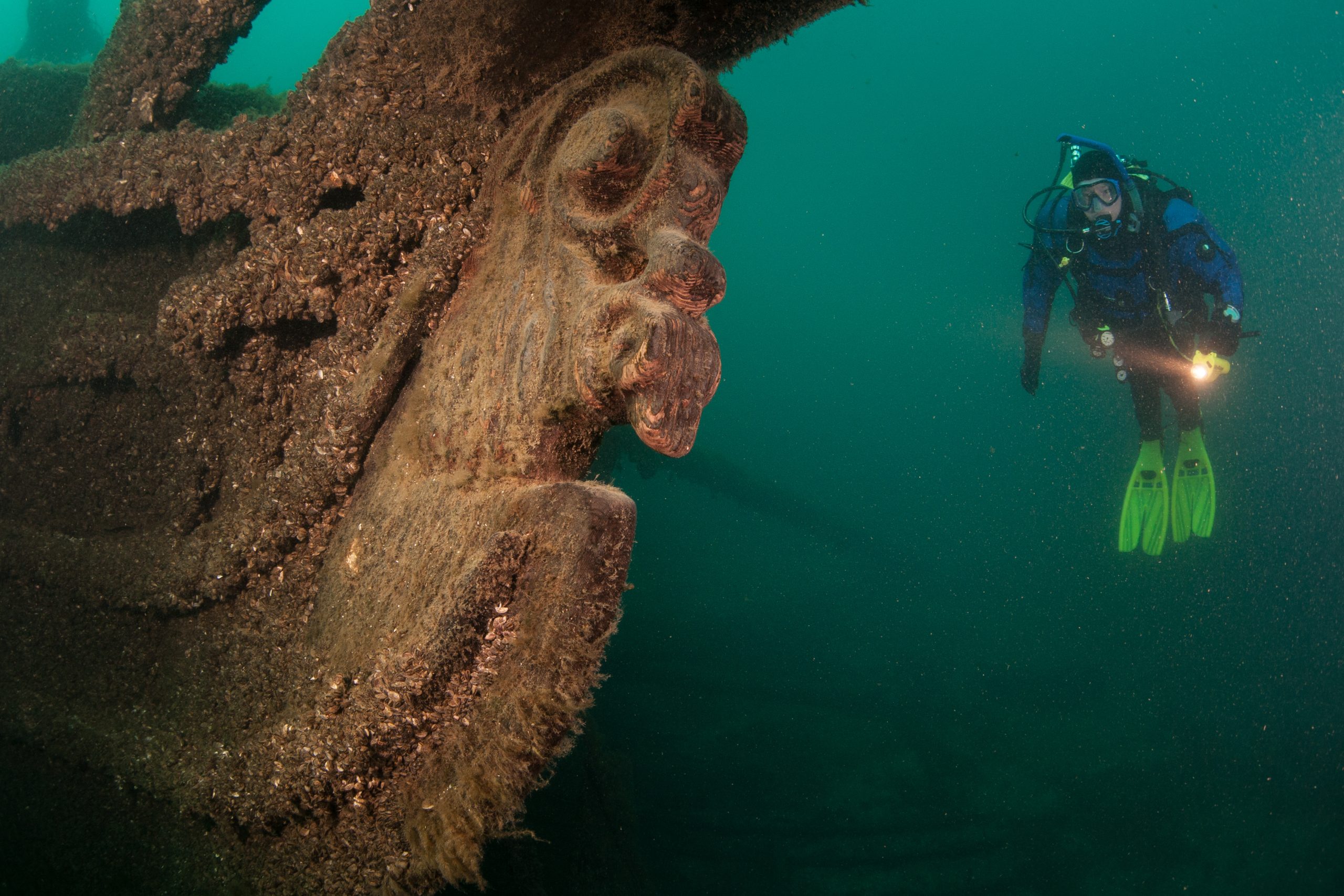
Shipwrecks hold a charismatic and mysterious charm. Consequently, being a master PADI diver, you can navigate to the ships deep inside the ocean, which otherwise remain unapproachable for the commoners and non-PADI divers.

Underwater Welfare and Conservation Campaigns

It’s a common idea that being a PADI master diver means leading new expeditions and exploring undiscovered areas. However, the vision of being a PADI master diver is much broader than that. In fact, it is connected with underwater welfare and conservation campaigns, which PADI masters often lead to ensure full impact and maximum results.

Enhanced Expose

The Scuba PADI master diver rating is the highest among non-professional levels in the PADI system. Thus, earning it is like a badge granting you enhanced exposure and a reputation in scuba diving.

Getting Closer to the Marine Life

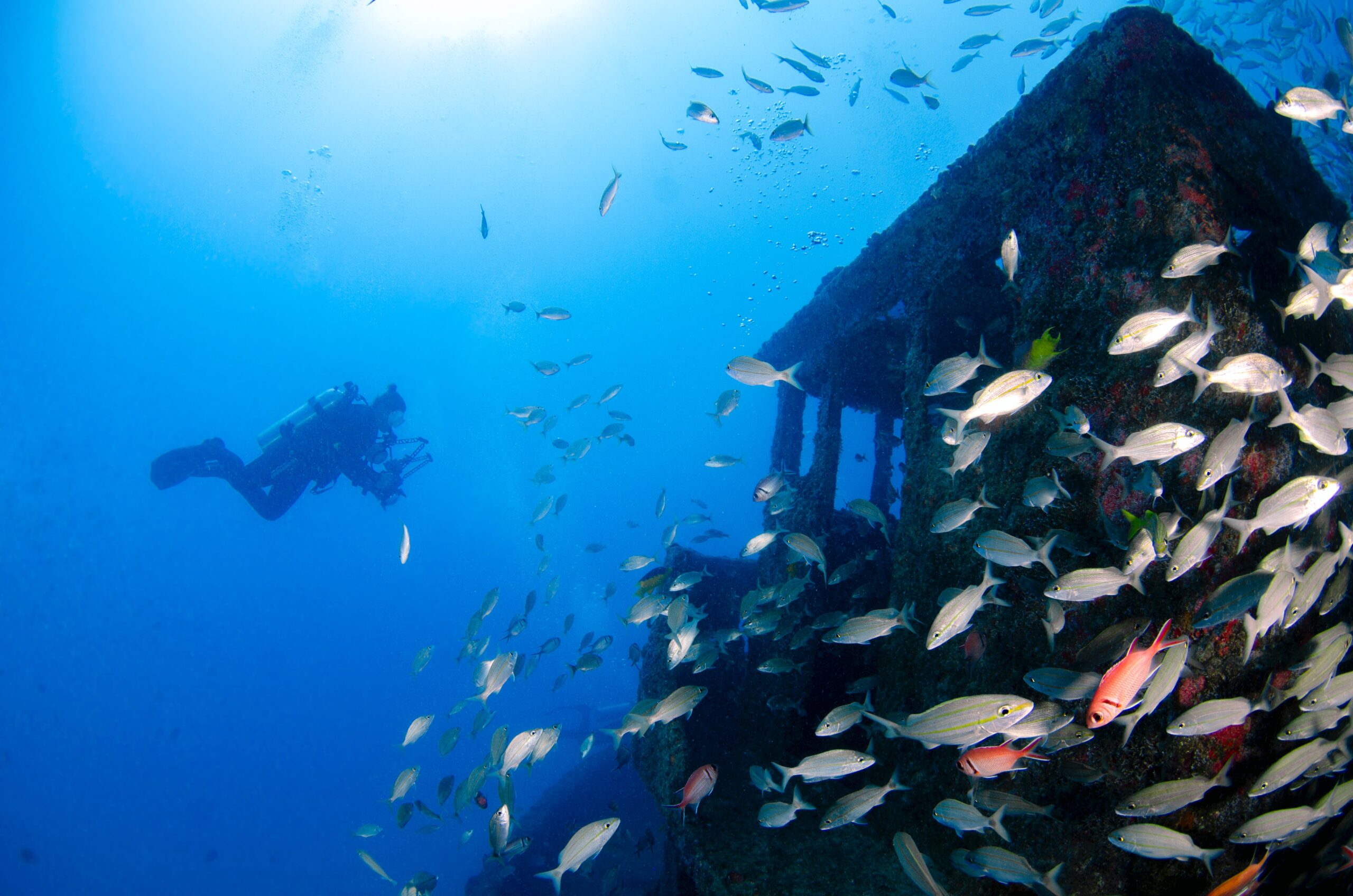
Different types of fish live on various levels of the sea. Therefore, with the PADI Scuba diving certification, you can go deeper into the sea and explore marine life that never comes to sea level. At the same time, you can enjoy swimming alongside dolphins or observe colorful fish.

The Challenges

Conversely, PADI scuba diving certification symbolizes your skills and experience. For example, it brings multiple pleasures into the Scuba diver’s life, including enhanced exposure, allowing them to participate in underwater welfare campaigns, etc. However, divers must also face the emotional and physiological challenges listed above. Read the content from start to finish carefully to learn what it is like to be a PADI Master diver

Choose Wisely

It’s not for everyone. Before undertaking this life changing decision speak with your instructor about the challenges and hurdles you have to overcome, because they may give you the best answer. Furthermore, for individuals in Raleigh or Eastern North Carolina, contact By the Shore SCUBA Instruction for  more information on SCUBA dive classes, charters, and products that we offer. Conveniently located in Raleigh, NC, Kevin Alexander an experienced PADI Master diver, can give you a clear perspective on life as a diver.Don’t hesitate to reach out to him today.

Sources-


5 Must-Visit Lakes For SCUBA Diving In The U.S.

Lake Diving in the United States

The United States is home to multiple lakes. They each offer a unique blend of natural beauty, scenic views, and adventure for SCUBA divers. The diverse terrain, easy accessibility, and vast ecosystems win enthusiasts. These lakes are perfect SCUBA enthusiasts worldwide, and Americans who are looking for SCUBA diving close to home. (Say goodbye to the hassle of obtaining your passport.) Check out these 5 must-visit lakes for SCUBA diving in the U.S.

5 Must-Visit Lakes For SCUBA Diving In The U.S.

Here, we discuss 5 must-visit lakes for SCUBA diving in the U.S. for dive and nature enthusiasts. These lakes are perfect for vacation. To clarify, witness their crystal-clear waters, explore vast ecosystems. Also, observe distinguished aquatic life.

Lake Michigan- Michigan

Lake Michigan is the fourth largest freshwater lake in the world. It is a glacial lake with a total surface area of 57726.840. Diving in Michigan Lake involves exploring over 3000 shipwrecks, with gems lying as little as a few inches to 200 feet. Manitou Passage especially has the most wrecks in Michigan. Lake Michigan surrounds the Manitou Islands. Indeed the site remains open for visitors throughout the year, but the recreational dive season starts in May and ends in November.

Homestead Crater- Utah

Homestead Crater is a popular freshwater diving location in the United States that combines scenic views with warm mineral waters. Located at the Midway Homestead Resort in Wasatch County, the lake has a 55-foot-high limestone dome formed thousands of years ago. To clarify, divers enter the crater through the artificial tunnel. Also the tunnel glows when sunlight pours in through the natural opening at the top. However, the place does not observe much aquatic life. Nevertheless, the crater’s walls have beautiful mineral deposits that are stunning to see during the daytime. Regardless, it is advisable to stay above 45 feet as the slit settles down at the bottom. 

Bonne Terre, Missouri

The Bonne Terre Mine is another popular SCUBA diving destination in the United States. It is also included in National Geographic’s list of the Top 10 adventures in America. It is the world’s largest SCUBA diving destination, with 24 well-marked and easily accessible SCUBA trails. This billion-gallon lake is a subterranean lake that flows into underground caverns. During SCUBA diving in Bonne Terre, you can witness multiple spots, including the 150-year-old mine, Submerged Mine Structures, The Boat Room, and the famous Pillar Forest.

Clear Lake- California

Clear Lake is a mountain lake in Linn County. It has two central bodies and is known as one of Oregon’s most exceptional places for freshwater diving. Scuba diving in Clear Lake allows one to explore crystal-clear waters and scenic views. In addition, the lake’s unique waters stay cold all year. The frigid temperature preserves the fascinating underwater forest of ancient trees. To clarify, these trees are about 3000 years old.

Fantasy Lake- Wake Forest, NC

Fantasy Lake is an iconic inland diving site accessible to new and experienced divers. The place offers multiple depths and distinguished underwater attractions. For example, the lake holds a sunken school bus, glass-bottomed boats, a plane wreck, and an underwater graveyard. Also, you can also explore freshwater aquatic life including bass, bluegill, catfish, turtles, and crayfish.

Bonus Location: Ginnie Springs, FL

Ginnie Springs is one of the most beautiful cavern diving sites in Northern Florida. It might be the best choice for divers who plan to log multiple days in the water, and it is even accessible to newly certified divers.

Beyond Lake Diving

In the upper chamber, you can be amazed by the breathtakingly beautiful views of illuminating sunlight and reflective limestone, or you can explore the rock formations in the Ginnie Ballroom with patterns resembling Swiss cheese. In fact, Ginnie Spring has multiple advanced sites for expert scuba divers, such as Devil’s Eye, Devil’s Ear, and Devil’s Spring. However, visiting these advanced sites requires a Cavern or Cave certificate.

A Wide Variety of Lakes and Springs

The United States has an extensive variety of lakes for scuba diving.  content above discussed the top lakes and a unique natural spring for cave diving. PADI instructors like Kevin Alexander of By the Shore SCUBA Instruction located in the Triangle area of North Carolina, chart excursions periodically and offer various training areas for potential divers. Contact By the Shore SCUBA Instruction to check out our courses and see if group charter packages are available (based on demand and availability of services).

Sources-

-https://www.padi.com/diving-in/michigan/#:~:text=Lake%20Michigan%20is%20also%20well,dating%20back%20to%20the%201800s.&text=The%20recreational%20dive%20season%20in,of%20the%20lakes%20all%20year.

-https://scubapro.johnsonoutdoors.com/us/blog/us-freshwater-scuba-diving-locations

– Bonne Terre Mine Diving bonneterremine.com/diving

-https://matadornetwork.com/read/best-us-lakes-scuba-diving/

-www.justgottadive.com/dive_resources/travel_articles/fantasy-lake-scuba-resort-north-carolinas-inland-diving-its-best


The Beauty of Wreck Diving

The beauty of wreck diving

Wreck diving

Lots of divers are considering moving past open-water dives. If you are interested in dive excursions differing from your usual dives, consider wreck diving. Wreck diving allows you to uncover the history, mystery, and beauty of sunken ships, planes, cars, and other structures. Wreck diving can also be challenging and rewarding, as you apply your skills and techniques to safely navigate the wrecks and avoid potential hazards.

Wreck Diving Requirements

Wreck diving requires special training, equipment, and experience. There are ethical and legal considerations, surrounding wrecks.

If you are ready to take your diving to the next level, here are some steps you can take to become a wreck diver:

  • Get certified as an Advanced Open Water Diver or equivalent. This will give you the basic knowledge and skills to dive deeper and in different conditions.
  • Take a Wreck Diver specialty course from a reputable dive center or instructor. This will teach you how to plan, conduct, and enjoy wreck dives safely and responsibly. You will learn how to use wreck diving equipment, such as reels, lines, lights, and knives. You will also learn how to identify and avoid potential hazards, such as entanglement, penetration, collapse, and deterioration. You will also learn how to research and locate wrecks, and how to document and preserve your findings.

Experience

Gain experience by diving on different types of wrecks in different locations. Start with shallow and simple wrecks that are easy to access and explore. Gradually progress to deeper and more complex wrecks that require more advanced skills and techniques. Always dive within your limits and follow the guidelines of your training and certification.

Accountability and Growth

  • Join a wreck diving club or community. This will help you find other wreck divers who share your passion and interest. You can also learn from their experiences and tips, and join them on wreck diving trips and expeditions.
  • Keep learning and improving your wreck diving skills. There is always something new to discover and explore in the world of wreck diving. You can take additional courses or workshops to learn more about specific aspects of wreck diving, such as photography, videography, archaeology, history, or ecology. You can also read books, magazines, blogs, or websites about wreck diving to expand your knowledge and inspiration.

Seek out Padi Instruction

Wreck diving is a rewarding and adventurous way to enjoy SCUBA diving. By following these steps, you can become a competent and responsible wreck diver who can appreciate the wonders of the underwater world. For more information on how to prepare for a wreck dive contact By the Shore SCUBA Instruction for personally tailored advice. 

Sources-

Wreck Diving: The 10 Best Dive Sites in the World (padi.com)

Wreck Diving | Scuba Diving

Spooky Bermuda wreck diving – DIVE Magazine

Wreck Diving in Nassau with Stuart Cove’s Dive Bahamas | Sport Diver

Difference Between SCUBA Diving in Freshwater and Saltwater

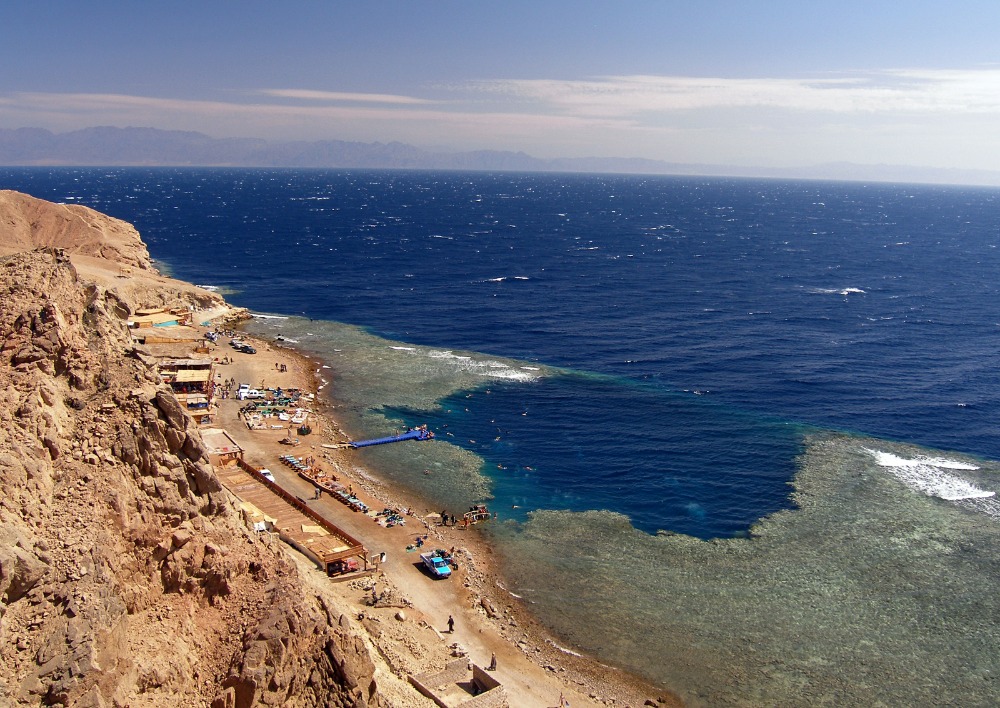
blue dahub, egypt


SCUBA diving enables divers to encounter the distinct geography, marine life, and habitat below the water’s surface. Both freshwater and saltwater SCUBA diving can present unique challenges and sensations. Do you have trouble deciding where to dive first? Here is the difference between SCUBA diving in freshwater and saltwater.

SCUBA Diving in Freshwater

Freshwater diving occurs in rivers, lakes, and quarries. In saltwater settings, these ecosystems typically have less visibility, colder temperatures, and fewer marine organisms. Exploration of underwater caverns, swimming with freshwater fish and sea turtles, and looking for historical artifacts are just a few of the unusual experiences that freshwater diving can provide.

Disadvantages of diving in freshwater

Freshwater environments often contain fewer marine species than saltwater habitats. Although freshwater visibility can sometimes be better than saltwater visibility, it can also be poor in some circumstances, especially if there is a lot of silt or algae. Due to the cooler temperatures, freshwater diving frequently requires more equipment than saltwater diving, such as heavier wetsuits or dry suits.

Advantages of diving in freshwater

Compared to saltwater, freshwater settings can have clear water, but they can also have reduced vision because of silt, algae, or contaminants. Since freshwater habitats are often colder than saltwater ones, diving can be uncomfortable, and demand for thicker wetsuits or dry suits for additional thermal insulation. Due to this, diving may become more expensive and, for some divers, less pleasurable.

SCUBA Diving in Saltwater

The usual locations for saltwater diving include coral reefs, oceans, and seas. Warmer conditions, better visibility, and a wider diversity of marine life, including coral, fish, sharks, and sea turtles, are typical characteristics of these settings. Saltwater diving is physically strenuous because of large currents, deeper depths, and more difficult dive planning because of tidal variations.

Advantages of diving in saltwater

Abundant marine life, including coral reefs, tropical fish, dolphins, whales, and sea turtles, live in saltwater habitats. Divers can see numerous marine organisms and watch them behave naturally. Diving can be more pleasant because salt water is typically warmer than freshwater, particularly in tropical settings.

Disadvantages of diving in saltwater

In warm areas, saltwater can make divers more susceptible to dehydration. Before, during, and after dives, it’s crucial to stay hydrated. Invest in equipment designed to take on extreme temperatures or dark conditions. Investing in equipment may increase dive costs and the need for additional training and expertise.

Safety First! 

Complete your training and certification requirements for saltwater and freshwater diving. Abide by safety procedures to ensure a fun and safe dive. Your personal preferences and the kind of diving experience you’re seeking will influence where you go diving. For a secure and memorable diving experience, check out By the Shore SCUBA Instruction.

Reference Weblinks

https://dive.site/blog/saltwater-vs-freshwater-diving/#:~:text=Saltwater%20is%20denser%20than%20freshwater,type%20of%20tank%20they%20carry

https://www.scubadivingearth.com/is-scuba-diving-in-freshwater-different-from-saltwater/

https://openwaterhq.com/scuba/freshwater-vs-saltwater-diving/

https://www.social-diving.com/freshwater-vs-saltwater-diving/