Traveling Abroad with Scuba Diving Equipment: What You Need to Know

Complete scuba gear available at Raleigh scuba shops

Traveling Abroad with Scuba Diving Equipment

When The Ocean Calls

For many divers, traveling internationally with your scuba gear offers comfort, reliability, and familiarity. But flying with equipment isn’t as straightforward as packing a swimsuit. Therefore, read about what you need to know before heading overseas with your dive gear. Prepare your travel abroad with SCUBA Diving Equipment.

Traveling Abroad with SCUBA Diving Equipment: What You Can Pack

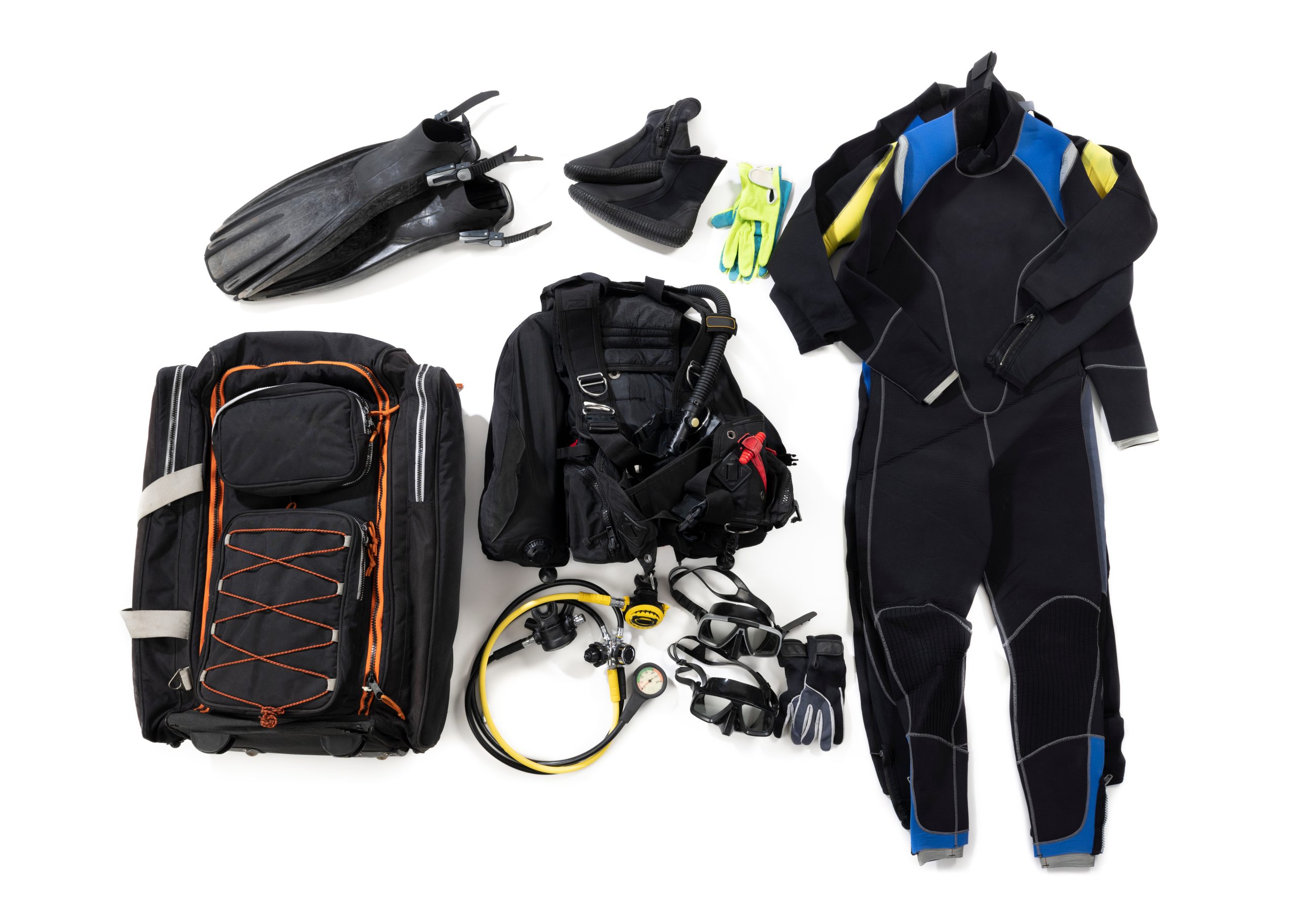
Most airlines allow standard scuba gear in checked baggage, including:

  • Mask, fins, and snorkel
  • Regulator
  • Buoyancy Control Device (BCD)
  • Wetsuit or drysuit
  • Dive computer
  • Surface marker buoy (SMB)
  • A large mesh bag — handy for transporting wet gear and avoiding carrying your entire main bag on dive boats

Make Sure Items Pass Security and Customs

Keep in mind, some airlines prohibit dive lights and dive knifes. Ensure these items are allowed on the airline for your travel abroad SCUBA diving.

  • Dive lights (carry-on only, with batteries removed)
  • Dive knife (checked baggage only, depending on the carrier and country . Be prepared to have your checked baggage opened by security. Don’t place a lock on your case while flying.)

What You Cannot Pack

  • Pressurized tanks: Even if emptied, residual pressure can make them unsafe for flights.
  • Lead weights: Technically allowed, but too heavy to be practical.
  • Lithium-ion batteries: Must be in your carry-on, disconnected, in a protective case.
  • Tanks and weights are typically not permitted due to safety regulations and the excessive weight they can carry. Renting these at your destination is often more practical. Always verify your airline’s dangerous goods policy before traveling.

Remember to check local laws for the countries you are traveling to. For instance, the Netherlands prohibits spearfishing, and Ireland requires a license when spearfishing. Furthermore, China and Hong Kong have a ban on bringing in spears. Finally, Japan, South Korea (and likely North Korea), Germany, the UK, and Spain prohibit diving knives. While we list key countries, research each place you visit and ensure you are allowed to bring high-risk equipment before you waste your time and money.

How to Pack Your Scuba Gear

  • Ensure all gear is dry before packing to avoid paying extra for water weight.
  • Use a padded scuba gear bag or a hard-shell suitcase for protection.
  • Pack your regulator, dive computer, and mask in your carry-on to prevent damage.
  • If checking your mask, put it in a hard case or inside your fin boot to protect it.
  • Heavier items, such as BCDs and fins, should be placed at the bottom of the bag, wrapped in your wetsuit.
  • Use TSA-approved locks and consider placing an Apple AirTag or similar tracker inside your luggage for peace of mind.

Rent vs. Bring: Know Your Destination

In many regions, renting gear is easier and more cost-effective:

  • Southeast Asia (Thailand, Indonesia, Philippines): Affordable rental gear is standard.
  • Caribbean cruises: Cruise lines such as Carnival and Royal Caribbean often offer dive packages that include equipment.

In remote areas, such as parts of the Pacific or Africa, bringing your gear may be essential due to limited or poorly maintained rental options. Therefore, consider your mode of travel and research ahead of time. Traveling abroad with SCUBA diving equipment is necessary at times, but not always possible.

Pro Packing Tips

  • Consider lightweight travel fins or compact BCDs for frequent trips.
  • Bring your PADI certification card or use the PADI app.
  • Consider travel insurance that covers dive gear.
  • Regular divers should get DAN insurance — it’s standard for dive professionals.
  • Label your gear to avoid confusion on group dives.
  • Confirm equipment availability when booking cruises or liveaboards.

Preparation is Key

With the proper preparation, bringing your scuba gear abroad can significantly enhance your diving experience. Whether you’re diving wrecks in the Red Sea or exploring reefs in Southeast Asia, proper planning ensures your adventure stays underwater — not stuck at baggage claim. Furthermore, if you are interested in diving with a group, contact By the Shore SCUBA Instruction to find out if we have a group charter. From time to time we travel in groups and help divers save on international dives. Located in Raleigh, NC, our PADI Master Kevin Alexander provides experience, adventure, and travels abroad with SCUBA diving equpiment.

Sources

How to Fathom Life as a PADI Master Diver

How to Fathom Life as a PADI Master Diver

The PADI Master Diver

Scuba diving is a healthy activity that helps keep one fit and allows one to explore the world underwater. This means becoming a PADI Master Diver is more than earning a certificate. On the contrary, it is a way of life, an entire of adventure and learning. Explore the realities and pleasures of the PADI Master Diver experience for all curious divers who wish to become one. Unleash how to fathom life as a PADI master diver, their challenges, and their pleasures.

How to Fathom Life as a PADI Master Diver

PADI divemaster is the certification awarded to those who demonstrate exceptional diving expertise and skill in the PADI system. Consequently, potential divers must complete the dive PADI specialty courses, log at least 50 dives, and get other crucial certifications, including Rescue Diver and Emergency First Response certifications. Thus, becoming a master PADI diver is an enormous achievement in scuba diving, which opens the door for multiple other opportunities and great experiences.

Realities of being a SCUBA PADI Master diving

From an aerial view, being a Scuba PADI master diver is only about reaching new heights beneath the ocean. Therefore, mastering PADI diving is all about navigating multiple challenges and requirements, including the following:

  • Continuous Learning and Practice
  • Physical and Mental Challenges
  • High Equipment and Training Costs
  • Increased Responsibilities

Continuous Learning and Practice

Being a PADI master diver is not about owning a one-time certification. Instead, these divers must practice and log dives regularly to update their skills and stay sharp. In addition, the diving techniques and equipment knowledge must also be constantly updated.

Physical and Mental Challenges

The ocean environment varies from region to region. As a result, strong currents and water temperatures can create multiple physical and mental challenges for divers, testing their endurance and focus. Hence, it becomes integral for the PADI master diver to stay fit and face all the challenges as part of their professional and regular lifestyle.  

High Equipment and Training Costs

Earning the PADI certification requires strength, physical effort, and a lot of financial strain. Therefore, everything requires investment, from attending advanced training classes to getting quality diving gear. In addition, regular maintenance of the equipment is also necessary to ensure safety under the water.

Increased Responsibilities

As a master PADI diver, you lead underwater expeditions and campaigns. Therefore, this makes you responsible for your life and the safety and security of other divers. In turn balancing fun with responsibility can become challenging at times.

Pleasures of Being a SCUBA PADI Master Diver

Although Master PADI Scuba diving comes with significant challenges, it also paves the way for multiple pleasures and opportunities, such as the following:

  • Navigating Eerie Shipwrecks
  • Underwater Welfare and Conservation Campaigns
  • Enhanced Expose
  • Getting Closer to the Marine Life

Navigating Eerie Shipwrecks

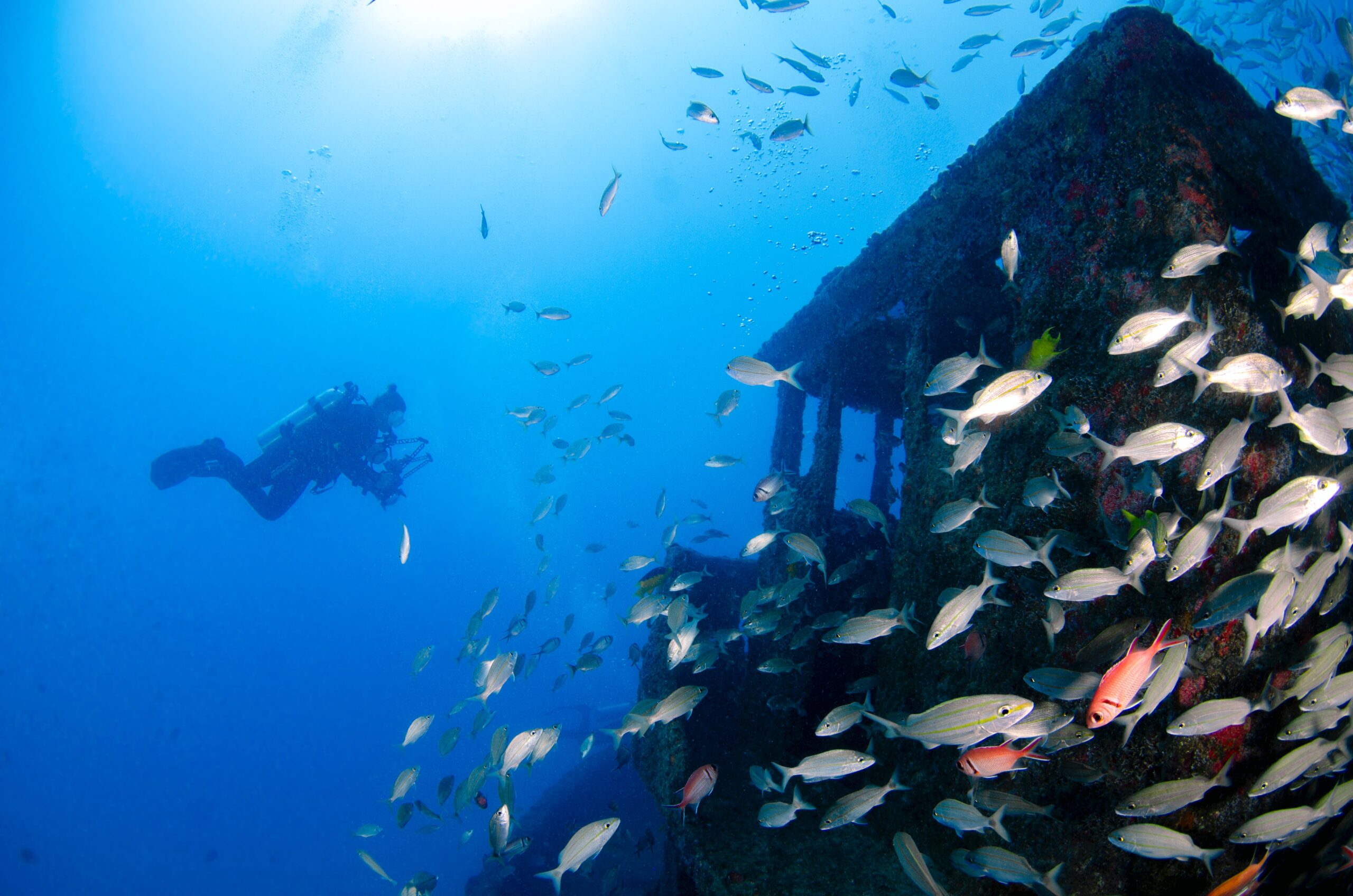
Shipwrecks hold a charismatic and mysterious charm. Consequently, being a master PADI diver, you can navigate to the ships deep inside the ocean, which otherwise remain unapproachable for the commoners and non-PADI divers.

Underwater Welfare and Conservation Campaigns

It’s a common idea that being a PADI master diver means leading new expeditions and exploring undiscovered areas. However, the vision of being a PADI master diver is much broader than that. In fact, it is connected with underwater welfare and conservation campaigns, which PADI masters often lead to ensure full impact and maximum results.

Enhanced Expose

The Scuba PADI master diver rating is the highest among non-professional levels in the PADI system. Thus, earning it is like a badge granting you enhanced exposure and a reputation in scuba diving.

Getting Closer to the Marine Life

Different types of fish live on various levels of the sea. Therefore, with the PADI Scuba diving certification, you can go deeper into the sea and explore marine life that never comes to sea level. At the same time, you can enjoy swimming alongside dolphins or observe colorful fish.

The Challenges

Conversely, PADI scuba diving certification symbolizes your skills and experience. For example, it brings multiple pleasures into the Scuba diver’s life, including enhanced exposure, allowing them to participate in underwater welfare campaigns, etc. However, divers must also face the emotional and physiological challenges listed above. Read the content from start to finish carefully to learn what it is like to be a PADI Master diver

Choose Wisely

It’s not for everyone. Before undertaking this life changing decision speak with your instructor about the challenges and hurdles you have to overcome, because they may give you the best answer. Furthermore, for individuals in Raleigh or Eastern North Carolina, contact By the Shore SCUBA Instruction for  more information on SCUBA dive classes, charters, and products that we offer. Conveniently located in Raleigh, NC, Kevin Alexander an experienced PADI Master diver, can give you a clear perspective on life as a diver.Don’t hesitate to reach out to him today.

Sources-


The Beauty of Wreck Diving

The beauty of wreck diving

Wreck diving

Lots of divers are considering moving past open-water dives. If you are interested in dive excursions differing from your usual dives, consider wreck diving. Wreck diving allows you to uncover the history, mystery, and beauty of sunken ships, planes, cars, and other structures. Wreck diving can also be challenging and rewarding, as you apply your skills and techniques to safely navigate the wrecks and avoid potential hazards.

Wreck Diving Requirements

Wreck diving requires special training, equipment, and experience. There are ethical and legal considerations, surrounding wrecks.

If you are ready to take your diving to the next level, here are some steps you can take to become a wreck diver:

  • Get certified as an Advanced Open Water Diver or equivalent. This will give you the basic knowledge and skills to dive deeper and in different conditions.
  • Take a Wreck Diver specialty course from a reputable dive center or instructor. This will teach you how to plan, conduct, and enjoy wreck dives safely and responsibly. You will learn how to use wreck diving equipment, such as reels, lines, lights, and knives. You will also learn how to identify and avoid potential hazards, such as entanglement, penetration, collapse, and deterioration. You will also learn how to research and locate wrecks, and how to document and preserve your findings.

Experience

Gain experience by diving on different types of wrecks in different locations. Start with shallow and simple wrecks that are easy to access and explore. Gradually progress to deeper and more complex wrecks that require more advanced skills and techniques. Always dive within your limits and follow the guidelines of your training and certification.

Accountability and Growth

  • Join a wreck diving club or community. This will help you find other wreck divers who share your passion and interest. You can also learn from their experiences and tips, and join them on wreck diving trips and expeditions.
  • Keep learning and improving your wreck diving skills. There is always something new to discover and explore in the world of wreck diving. You can take additional courses or workshops to learn more about specific aspects of wreck diving, such as photography, videography, archaeology, history, or ecology. You can also read books, magazines, blogs, or websites about wreck diving to expand your knowledge and inspiration.

Seek out Padi Instruction

Wreck diving is a rewarding and adventurous way to enjoy SCUBA diving. By following these steps, you can become a competent and responsible wreck diver who can appreciate the wonders of the underwater world. For more information on how to prepare for a wreck dive contact By the Shore SCUBA Instruction for personally tailored advice. 

Sources-

Wreck Diving: The 10 Best Dive Sites in the World (padi.com)

Wreck Diving | Scuba Diving

Spooky Bermuda wreck diving – DIVE Magazine

Wreck Diving in Nassau with Stuart Cove’s Dive Bahamas | Sport Diver

The Controversies of Children SCUBA Diving

Children Scuba Diving

Young people scuba diving

Scuba diving is an activity that amazes and opens up a whole new world of adventure, discovery, and wonder for anyone who tries it. But is it safe for kids? At what age should children be allowed to dive? And what are the benefits and risks of scuba diving for young people? These are some of the questions that many parents and instructors face when considering introducing children to the underwater realm.

The Minimum Age for Scuba Diving

There is no universal agreement on the minimum age for scuba diving. Different training agencies have age limits, ranging from 8 to 12 years old. These are junior certification levels. However, these are not absolute rules, only recommendations based on average physical and mental development stages.

The minimum age for scuba diving also depends on the type and depth of diving. For example, PADI (the Professional Association of Dive Instructors) allows children as young as eight to participate in their Bubblemaker program, introducing them to scuba diving in a pool or confined water up to 2 meters (6 feet) deep. Children aged ten or older can enroll in the Junior Open Water Diver course, which allows them to dive up to 12 meters (40 feet) deep with a parent or guardian.

 Each child should be individually assessed by their parents and instructors based on their physical, mental, and emotional maturity, as well as their interest, motivation, and comfort level.

The Controversies of Children Diving

Children and diving are not without controversy. There are many concerns and debates about the safety and suitability of scuba diving for kids, ranging from medical issues to psychological challenges. Some of the most common controversies are:

Ear Infections and Barotrauma

Children are more prone to ear infections than adults, as their Eustachian tubes are narrower and more horizontal, making them less effective at equalizing pressure in the middle ear. Children are at risk for middle-ear barotrauma, the most common diving injury. Children need to learn how to equalize their ears properly and gently. They should also avoid diving when they have a cold or congestion.

Hypothermia

Children have a higher metabolic rate than adults, meaning they burn more calories and generate more heat. In cold water, they can tolerate lower temperatures better than adults. However, once they run out of calories, they can lose heat quickly, as they have a higher body-mass-to-surface-area ratio than adults. They need adequate thermal protection and shorter dives to prevent hypothermia.

Pulmonary Problems

Children have smaller lungs and airways than adults, which may make them more susceptible to air trapping and gas expansion injuries, such as pneumothorax or arterial gas embolism. These are rare but potentially fatal complications if a diver ascends too fast or holds their breath while diving. Children with asthma or other respiratory conditions need careful evaluation by a physician before diving. Respiratory ailments may increase their risk of pulmonary problems.

Bone Growth Deformities 

One of the most controversial issues about children and diving is the possible effect of high pressure on bone growth. Some studies have suggested that exposure to high pressure may cause changes in the growth plates of bones, leading to reduced height or deformities in later life. However, these studies observed animals or professional divers exposed to much higher pressures and longer times than recreational divers. There is no conclusive evidence that recreational diving affects bone growth in children, but more research is needed to confirm this.

Psychological Stress

 Perhaps the most significant concern about children and diving involves their psychological maturity and cognitive ability. Children may not have the emotional stability, reasoning skills, or self-control to handle the stress and challenges of the underwater environment. They may not understand or follow the safety rules and procedures. They may panic or act impulsively in an emergency. They may also be easily distracted or influenced by peer pressure, which can compromise their judgment and decision-making. Children must communicate effectively with their instructor or buddy, express any discomfort or problems, and adhere to the dive plan.

Feel Free to drop a line to By the Shore SCUBA Instruction for more details on your particular diving interests. Meet Kevin Alexander our main PADI dive master for trips, advice, and more details to improve your dives.

Disclaimer:

The information provided by BY THE SHORE on this website is for general informational purposes only. It is not intended to be a substitute for professional advice, diagnosis, or treatment regarding SCUBA diving or any related activities. SCUBA diving involves inherent risks and dangers that may result in serious injury or death. You should always consult with a qualified instructor, doctor, or other relevant professional before engaging in SCUBA diving or any related activities. BY THE SHORE does not assume any responsibility or liability for any loss, damage, injury, or death that occurs from your use of the information on this website. Follow the advice in this article at your own risk.

Sources

If you want to learn more about children and diving, here are some sources and web links that you can check out:

– Children and Diving – Divers Alert Network: https://dan.org/alert-diver/article/children-and-diving-2/

– The Pros and Cons of Scuba Diving for Kids – TripSavvy: https://www.tripsavvy.com/is-scuba-diving-safe-for-kids-2963213

– Children and Scuba Diving https://www.padi.com/education/learn-to-dive

– Kids Sea Camp – Family Dive Adventures: https://familydivers.com/