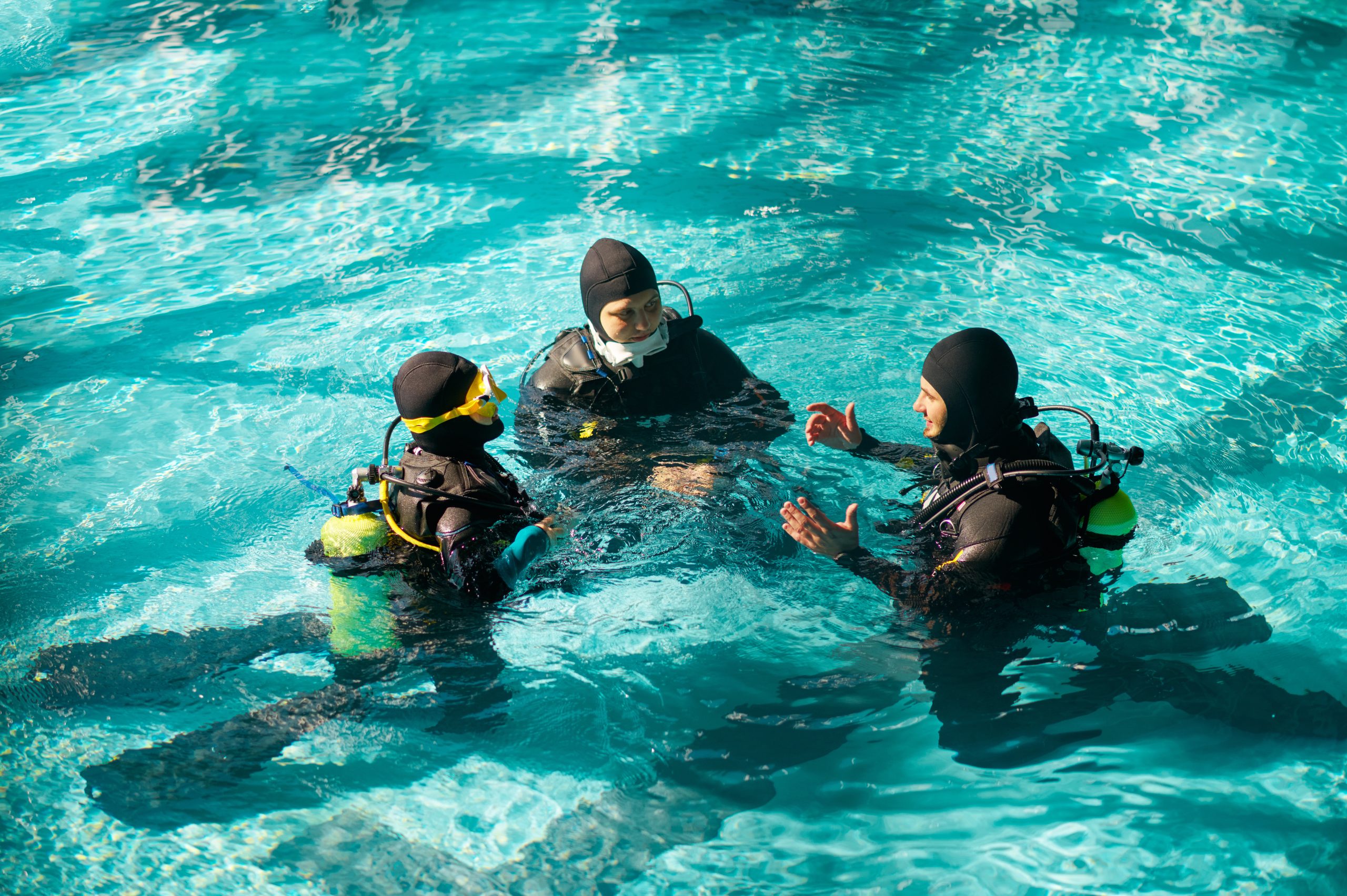
Before you embark on a SCUBA diving adventure, find the right instructor. Choosing a SCUBA instructor is a decision that can completely alter your underwater experience. A SCUBA instructor teaches you how to breathe underwater, guides you to the best dive spots, and prepares you for emergencies and general safety. Don’t worry about investing in someone only to save your money. Learn how to select an instructor that gives you the most bang for your buck. These are the qualifications for choosing the right SCUBA instructor.
Choosing A SCUBA Instructor
Most importantly, you must verify the instructor’s certification with reputable training agencies like PADI, SSI, or NAUI. These organizations set the standards for safety and Diving in the SCUBA world. The diving instructor’s credentials, including additional certifications or specialties, can align with your interests, such as underwater photography or deep-sea Diving.
Experience and Expertise
Research the instructor’s experience. The years of experience are helpful, but also search their history of Diving. An instructor with a diverse diving background can give insight into the best way for you to pursue SCUBA diving.
Choosing a SCUBA Instructor with your Philosophy of Diving
Everyone has a unique teaching style. Some instructors use hands-on, while others offer more structured learning environments. Consider what learning environment you thrive in and seek out the instructor whose teaching philosophy matches your personal diving needs.
Good Communication Skills
Effective communication keeps things cool. A good instructor should be able to explain concepts clearly and be willing to answer your questions. They should be easy to approach, patient, and concerned, create a comfortable learning atmosphere, and be welcome to your diving concerns. Vivacious, straightforward communication is essential to correctly learning how to dive.
Personal Recommendations for Choosing a SCUBA Instructor
Word-of-mouth recommendations are priceless. Ask fellow divers or local dive shops which instructors they recommend. Online reviews and testimonials help you find a quality PADI instructor. While everyone is unique, good reviews will lead you in the right direction.
Trial Sessions
See if you can attend a trial session or a discovery dive. You can interact with the instructor and test compatibility. See if they meet your expectations and comfort level before committing to full-length diving courses. Even purchasing one course can help you decide whether to participate with the instructor.
Safety and Professionalism
Safety is at the top of your instructor’s priorities. Learn their approach to safety protocols and emergency procedures. A professional instructor will ensure all safety measures are met and instruct you before you embark on dives.
Choosing a SCUBA Instructor with a Passion for Diving
No one wants an instructor who is bored with their classes. Instructors who love their work will inspire you and make your learning experience more enjoyable. Unpleasant dive instructors will suck the joy out of learning and create hostile environments.
The Right Decision is Out There
Finding the right SCUBA instructor involves doing your research. Start with verifying credentials and teaching styles and ensuring safety and professionalism. Follow these steps to confidently enter the SCUBA courses, knowing you’re in capable hands. For divers in the Raleigh area seeking a reputable dive instructor, look no further than By the Shore SCUBA Instruction. Kevin Alexander is a dedicated and experienced PADI Instructor who practices in local locations and charts excursions for prepared SCUBA divers. Take Diving seriously, and check out our website.
Sources-
-www.becomeadiveinstructor.com/how-to-become-a-padi-scuba-diving-instructor
-DeRutter, N. (2024). Career in SCUBA: How to Become a Dive Instructor and be Successful (p. 151). BookBaby. https://www.divesaga.com/product-page/career-in-scuba-how-to-become-a-dive-instructor-and-be-successful-ebook
– https://blog.padi.com/how-to-choose-a-scuba-instructor/
– https://www.scubadiving.com/how-pick-scuba-diving-instructor
-https://www.scubadivecentral.com/what-scuba-certification-do-i-need