How long does it take to get a SCUBA Certification

Scuba Instruction
SCUBA Certification
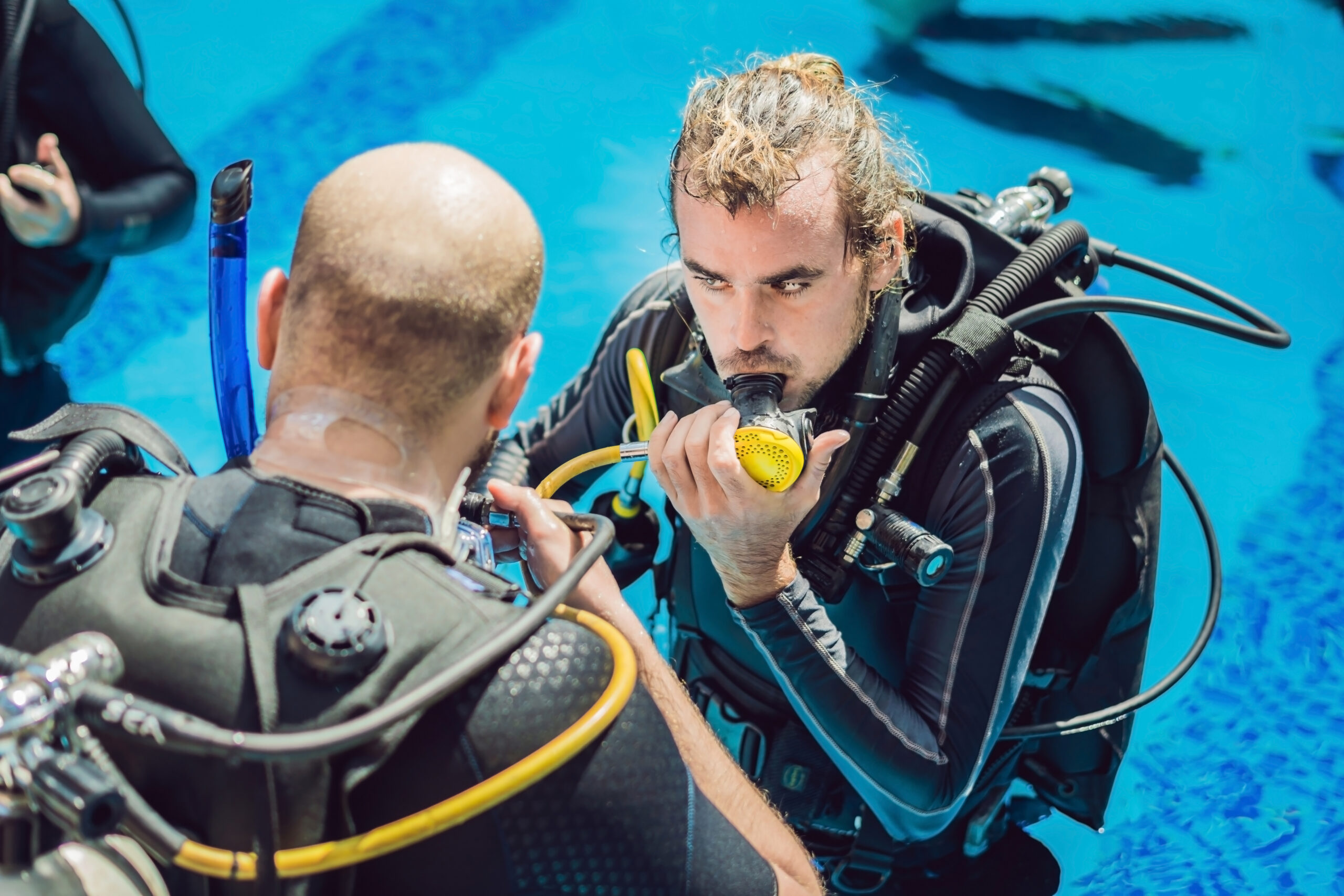
Diving instructor and students. Instructor teaches students to dive.

Getting a PADI SCUBA certification should be on every underwater enthusiasts list. If you are interested in a SCUBA certification you should be prepared for the financial aspect, and for the time aspect. Saving up and finding the perfect time for you and your family is important.

Typically a SCUBA certification for open water takes up to three to four days. If you really want to immerse yourself into your SCUBA training and complete it within a short period of time, consider taking time off and setting aside time in advance for the course.

The time to obtain the certification does not include book work and pool time. You can go about this one of two ways. If you are a fast learner, you can study for a full week and train in the pool for a week or longer. Some individuals may be able to certify by studying a day before each training course and then pass each module. That would be up to your PADI instructors protocol.

One thing you will want to ensure is that you are in shape. Check out By the Shore Scuba Instruction’s article on exercises to help you with SCUBA diving. You will want to research different gear, and the cost of all types of equipment. By the Shore Scuba Instruction offers you assistance selecting the gear that’s best for you. We also offer most of the gear and equipment you will need.

A very important thing to consider is how far you will want to go with your PADI certification. Is this something you want for the open ocean only, or are you interested in more specific modules such as shipwrecks, caverns, or other specialized dives?

You will need to consider that some of these certifications can add on an additional 3 to 4 days or more. If you want advanced open water this will extend your course by a day or few. Depending on your instructor you may have to spread your days of instruction over a week or two.

Keep in mind First Aid, and other lifesaving courses are recommended long term for those choosing to dive in small groups. If you plan to dive regularly with a few other people scuba diving first aid may come in handy . Consider CPR and rescue breathing courses to save your fellow divers from a dive gone wrong. You may even feel safer taking a lifeguard course in addition to your First Aid for additional safety. (Please avoid obtaining the actual certification from a resort as most of these training are minimal and do not include lots of safety training.)

Get everything together for your next course . Work out your budget, your training schedule. If you feel confident about how in shape you already are you may not need as much training. If you are fairly out of shape you may want to avoid jumping right in. Test your bodily reaction to Nitrox to ensure that you don’t need extra time to adjust. If you are coming in contact with Nitrox make sure that you won’t be in highly flammable areas around this time because your clothes can still hold oxygen and become attractive to fire.

Getting ready for your SCUBA course will ensure everything runs smoothly. Depending on all the different facets you choose to pursue for your certification, your instructor, and your ability to adapt physically your training can span from an extended weekend to many weeks. Try to work out the schedule that is best for your lifestyle. Maybe an extended schedule is best for you and will allow you to get in better shape. Whatever your lifestyle or goals check out By the Shore Scuba Instruction. We will match you up with the appropriate certification, and work with your schedule.
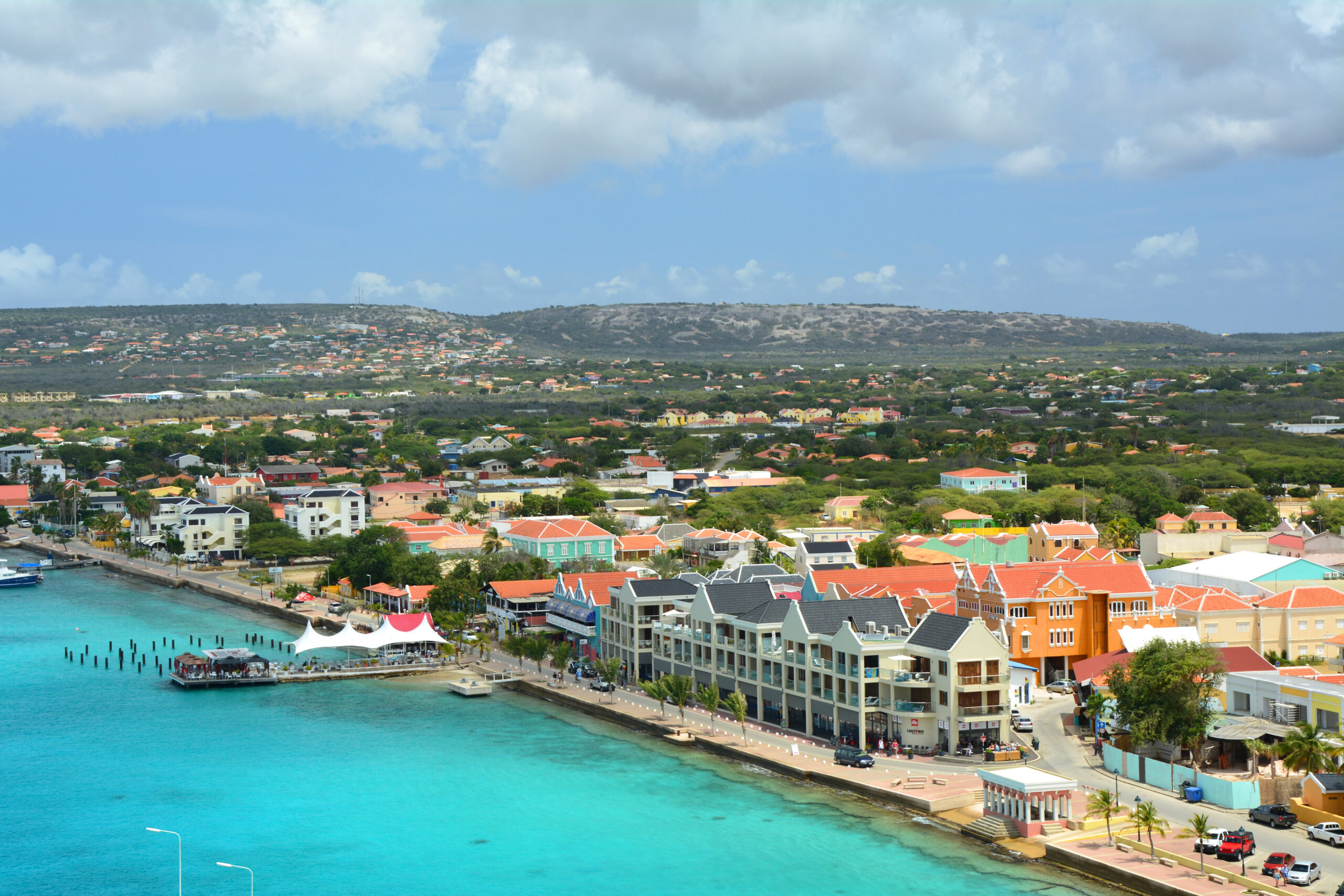
SCUBA trip to Bonaire staying at Sand Dollar Resort

Sand Dollar Resort in Bonaire
BONAIRE, CARIBBEAN – MARCH 26, 2017 : Kralendijk waterfront, capital city of Bonaire view from cruise ship in the port. Bonaire is an island of the ABC Caribbean Netherlands.

Are you looking for somewhere a little less busy, yet equally beautiful to visit? Currently Bonaire is reopening its incoming visitors from outside it’s island, Aruba, Curacao, St. Eustatius, and Saba. As soon as visitors from the USA is allowed into Aruba, Bonaire will be open to them as well. If you are preparing for a post Covid-19 trip, please ensure you keep our Sand Dollar Bonaire virus-free by coming up with plans to travel safely and social distance beforehand. A point of interest for most visitors headed to Bonaire is the luxurious yet serene Sand Dollar Resort.

With a traditional beach feel, the resort offers plenty of Scuba Diving options for those looking to make the most out of their trip. Sand Dollar Bonaire may be somewhat remote, but it is a perfect getaway for some of the world’s richest individuals. Even with this reputation, Bonaire is reasonable starting at $155 a night. They also include an array of accommodations for divers.

Bonaire is a hidden jewel in the Caribbean tucked among the Leeward Antilles. Influenced by the Dutch and claimed beforehand by Alonso de Ojeda and Amerigo Vespucci for Spain, Bonaire is currently influenced by the Dutch. Bonaire is rich in native roots and African influence. You can see diversity in the faces of the people, and in the sound of the music. Even though the Dutch influence the island currently you can still hear the Spanish and African influence in their beautiful music. Polka, Waltz, Mazurka are popular European dances in Bonaire. There is also Rumba, Merengue, and Joropo from other parts of the Caribbean and Latin America. “Baile di Sinta” is a special local dance complete with a maypole. Plenty of seasonal festivals makes Bonaire quaint, yet lively throughout the year. The architecture is bright with Caribbean colors, and beautifully structured like the traditional homes of the Netherlands. The rooftops hint to the Spanish with terracotta clay tiles stacked like Mission revival styles from Spain. No question Bonaire is the perfect destination to escape to.

However, lively Bonaire culture is, its natural scene is brighter. With direct access to the water from the resort, you can easily walk to edge and start to see reefs emerge from this seemingly tranquil water. Voted #1 in the Islands magazine’s Editor’s Picks for snorkeling in the Caribbean, it made one of the top ten places to snorkel in the world by the Caribbean Journal. The surrounding seas hold 469 species of fish. The Bari Reef begins not far from the shoreline. This hidden reef is within the Sand Dollar Condo Village. If you are looking for wonderful photos, Bonaire ranks highly for underwater visibility. Larger sea life such as the manta rays, dolphins, and sea turtles are easily found near the Bari reef. The clear waters make it easy to stay safe as well. With a depth of over 130 feet, divers can suspend above eerily large tarpon fish, spotted eel, and eagle rays. The size of large tarpon can easily make the diver feel like he is gliding above a predator the size of the canoe. These fish are easily intimidated by divers, but should not be bothered as they can be defensive. Divers can see an abundance of Sea sponges, reefs, and crustaceans as well making it more than just schools of fish.

If you are enticed by this naturally radiant resort, plan your trip to Sand Dollar Bonaire. The cottage like scenery, and oceanic splendor will make your trip truly unique. If you do decide to go hook up with By The Shore Scuba Instruction. Hopefully, with the islands reopening we will be able to form a group travel somewhere in the near future. If you are still new to SCUBA diving or you need to brush up on your skills drop by and talk with our instructors. We really like Sand Dollar Bonaire resort, and hope you will too.

Exercises That Help Your SCUBA Diving

exercises for scuba
SCUBA Diving Fitness
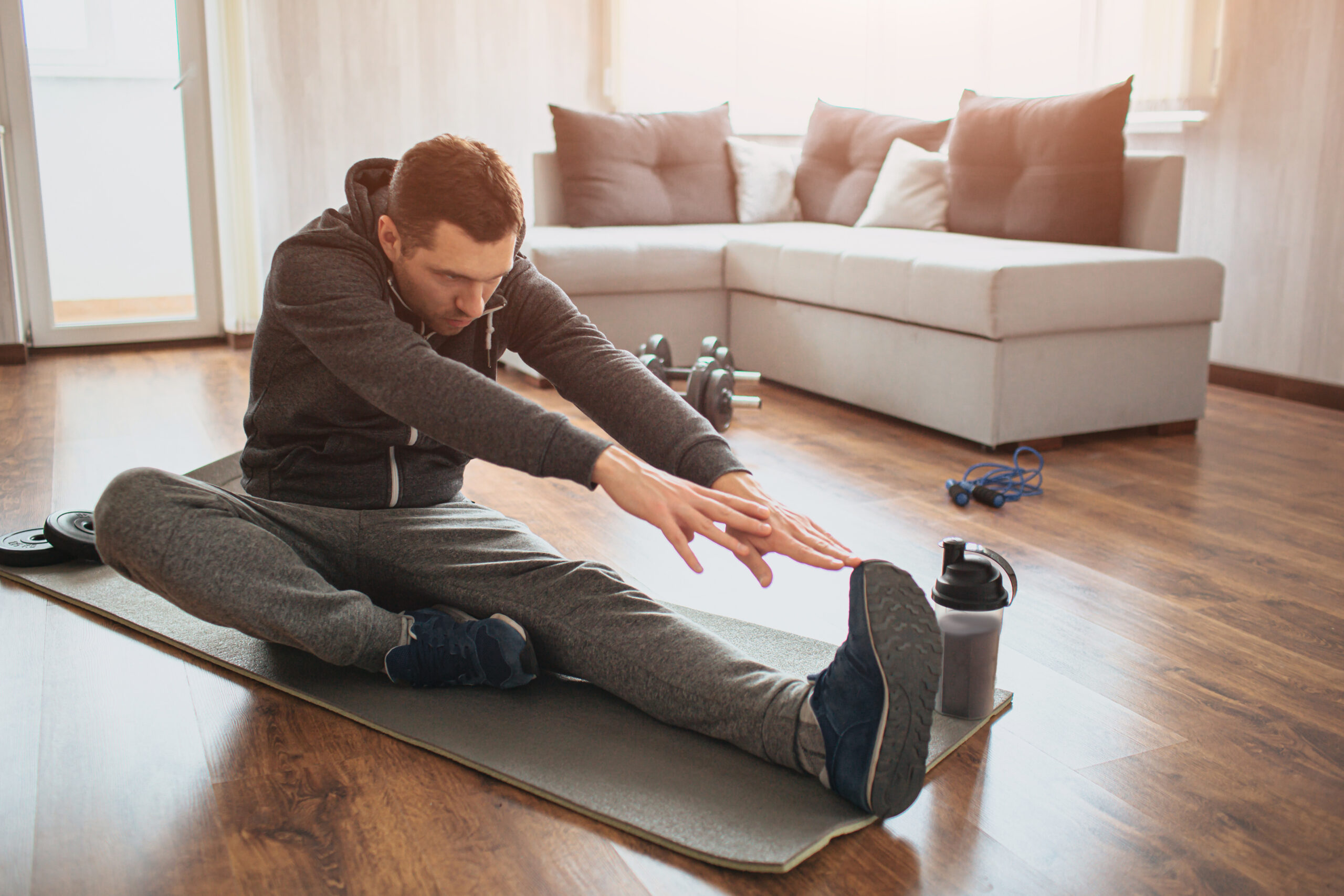
Young ordinary man go in for sport at home. Freshman or beginner stretching with tow hands to one leg. Excercising alone in empty apartment. Try to keep fit and stay healthy with good body

SCUBA diving requires training for fitness as well as for safety. The buoyancy control device helps you to sink or float depending on your needs, but you always need to be prepared physically for any situation.

SCUBA gear can weigh up to 50+lbs. The tank generally is 32 lbs with 15 lb equipment and an 8 pound wetsuit. It’s like attaching workout weights to your body. You will need to know how to swim so that you don’t drown in the event that your control device fails. You will also want to pick up speed in your flippers so that you can cover more space in optimal time.

SCUBA diving can take a toll on your body for the first time. You will want to be in good physical shape to prevent health complications. If approached in good fitness, SCUBA diving will help strengthen your lungs, your heart, and your body. You will want to ensure that you receive rich nutrition, rest, and recuperation so that SCUBA diving works for you and not against you. Because of the weight and the movement diving will tone your entire body. You will experience pressure around your sinuses and body when descending. This is why you must prepare for the activity ahead of your dive.

Exercise all parts of the body and focus on your lung fitness to get the most out of diving. You can practice holding your breath to strengthen your lungs and prepare for emergencies. Intaking some oxygen from a machine will allow you to hold your breath submerged for longer periods of time. This is a great exercise, because it expands your lungs and helps you practice withholding pressure. Also expanding the lungs will allow you to pull in more of your Nitrox blend underwater and prevent decompression sickness. Make sure someone is watching or a lifeguard is present in case of an emergency.

Weight training is very important to prepare for carrying equipment. Those who are serious about diving should place equipment on their backs and try squatting down or walking with those weights.

In the safety of the shallow end you might even try to pull underwater weights whilst running or walking. This will recreate the forces and pull you might experience on a dive. Full body weight exercises are very important to strengthen the whole body and prepare your body for exhaustion. You can race a partner with the underwater weights to up your speed. You can do body weight exercises so that your body is balanced and strong.

Swimming is a very important part of diving, and will increase the fitness of your heart and lungs. You can swim athletically to really get a cardio workout, or you can practice freestyle underwater to cover more distance. Swimming with your flippers on will prepare you for a realistic dive. You can lap swim with your flippers and count your laps. Endurance swimming will allow you to see how far you can go and reduce fatigue on your dives.

Group swims and diving sessions always help you to get your flippers wet, and build accountability. By The Shore Scuba Instruction will offer you the training, and exercises you need. We train in large pools to ensure that our students can make adjustments to their diving before open water dives. Remember when it comes to diving important areas of focus are endurance, strength training, cardio, and breathing. Prepare by switching between swimming with or without flippers, and doing HIIT Cardio. Ask Kevin at By The Shore Scuba Instruction for exercise advice custom tailored to your needs.

What is a Safe CO2 Level in Our SCUBA Tank Breathing Air?

Safe CO2 Levels for Divers
CO2 levels affect SCUBA tanks
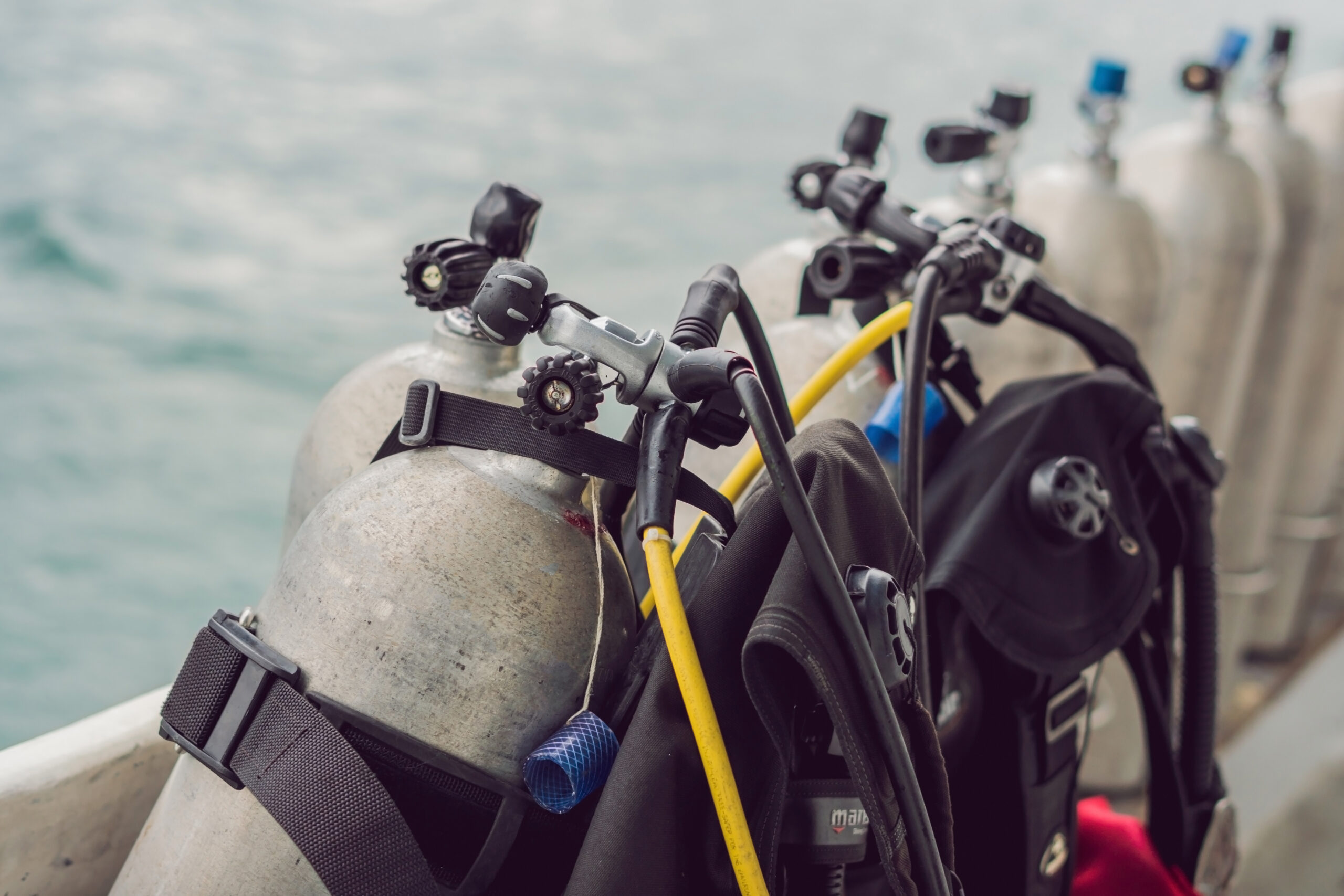
scuba compressed air tank on boat. Ready for diving.

When discussing SCUBA tank breathing air, people typically focus on oxygen levels for their tanks. The amount of carbon dioxide in your SCUBA tank is something divers should consider as well. Depending on the depth or location of the dive your oxygen and carbon dioxide levels will vary. 500 ppm is said to be the maximum. Percentage wise it has been said a gas mixture or argon, CO2, nitrogen, neon, and helium 32% is recommended for SCUBA tanks. CO2 should be the highest of the remaining gases. NITROX is the blend commonly dealt with by dive instructors. The percentage should be related to the amount of oxygen in the tank. Taking your tank to a PADI dive instructor is ideal and they will have a better idea of what your specific CO2 level should be.
Adjusting the percentage of the different gas levels is important. However, there are factors that will alter the makeup of your tank gases even after adjustments. Changes in temperature can affect the makeup of the gas in your tanks. Keeping your tanks in a consistent room temperature type environment or matching the temperature of the water you are diving in prevents a change in gas composition. Heat can lead to poisoning or a tank explosion.

If you want to always be sure the CO2 levels in your tank are safe, Nitrox is a great way to ensure your air mixture is always constant. You will want to train with Nitrox so that you can prep your own tank. It’s a consistent fool-proof way to make your tank safe. Ask your instructor more about what option is your best. Keep in mind not all instructors like Nitrox. Discussing Nitrox with your doctor beforehand is recommended. Keep in mind shallow breaths are more like to result in CO2 poisoning. This can lead to hyperoxia, seizures, or passing out. Deep breaths should be practiced before going on Nitrox. If you breath shallow breaths, consider lowering the CO2 in the remaining 32% of your non oxygen gas mixture.

Gas exchange will prevent CO2 from building us into unhealthy amounts. The volume in your tank remains at a constant. Depending on how much oxygen, nitrogen, CO2, neon, and helium your body uses you may find yourself taking in a bit more CO2 after a while of using the other gases. This change in gas proportions could mean you are taking in more CO2 after a while. Changing your gas regularly will ensure that you are maintaining your proportions. Practice timing your gas usage beforehand to see how much gas you will need to take on your next dive.

Ensuring CO2 is not to low is equally important. Our CO2 levels alerts our body to breathe deeply. If it is too low, we don’t inhale enough, and cannot absorb as much oxygen. This leads to hypoxia. Breathing in deeply is even more stressed if you find yourself suffering from low oxygen levels. That’s why team diving is recommended for open water outings.

Where can you get good diving tanks with a safe amount of CO2? By The Shore Scuba Instruction provides an array of diving equipment and our PADI instructors have years of experience dealing with different needs based on the type of dive, and the individual. To ensure you get the most out of your next visit, call us up, and ask what you will need for your next dive class. Tell the instructors of any health concerns you may have. This may affect how your tank gases should be arranged.