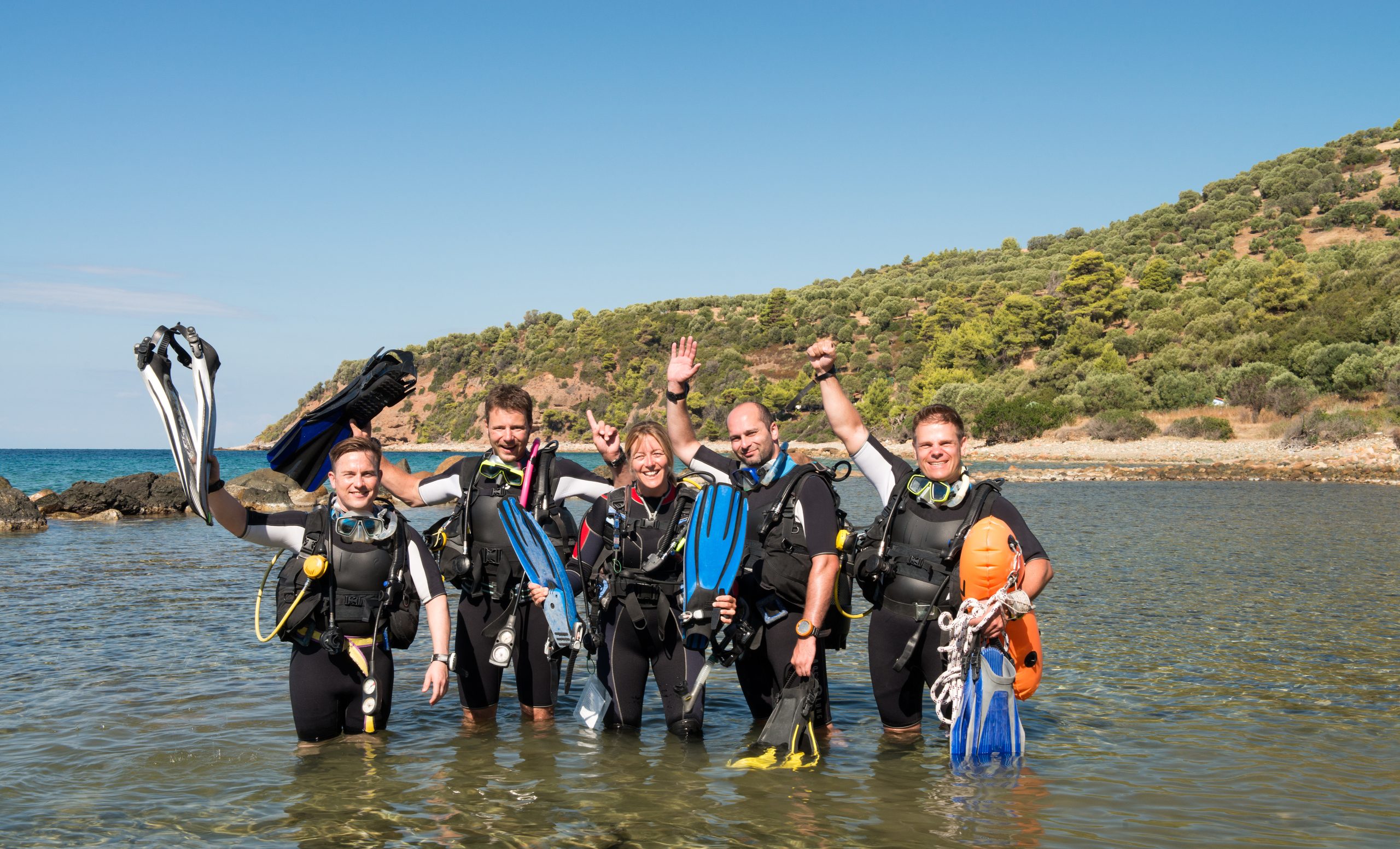
Divers in Raleigh, NC: How to Find Group Meetups

divers in raleigh, nc

divers in raleigh, nc

Finding Dive Buddies: Where to Start

 If you’re a scuba diver near the Carolina coast or in Raleigh, NC, you have access to one America’s most natural, and historical coasts. After all, the Outer Banks is home to pirate ship wrecks, and unique biodiversity. However, going on group excursions or a duet dive makes these experiences safe and unforgettable. Whether you are a beginner or an experienced diver, finding a group to share dive trips with can lead to many exciting adventures. Here is the best way to meetup with other divers in Raleigh, NC.

How to Meetup with Other Divers In Raleigh, NC: Meetup.com

 One of the best ways to meet other divers is through web platforms like Meetup. It has many local groups focused on scuba diving. For example, use terms like “SCUBA Raleigh, NC,” “Raleigh scuba,” or “NC diving,”. Therefore, you will most likely find active groups like “By The Shore Scuba Instruction”, our diving school in Raleigh. Consequently, these groups often arrange events and diving trips. Thankfully, lots of these groups are experienced divers looking for a dive buddy.

PADI’s Dive Locator

 While it’s not a social group, PADI offers a database of professional diving events and activities. Your Instructors may attend one of these events, but you can sometimes sign up as an amateur PADI diver if you are certified. These events are a great way to connect with other experienced divers. Visit https://travel.padi.com/professional/activities/results/nearby/ to look for an event near you.
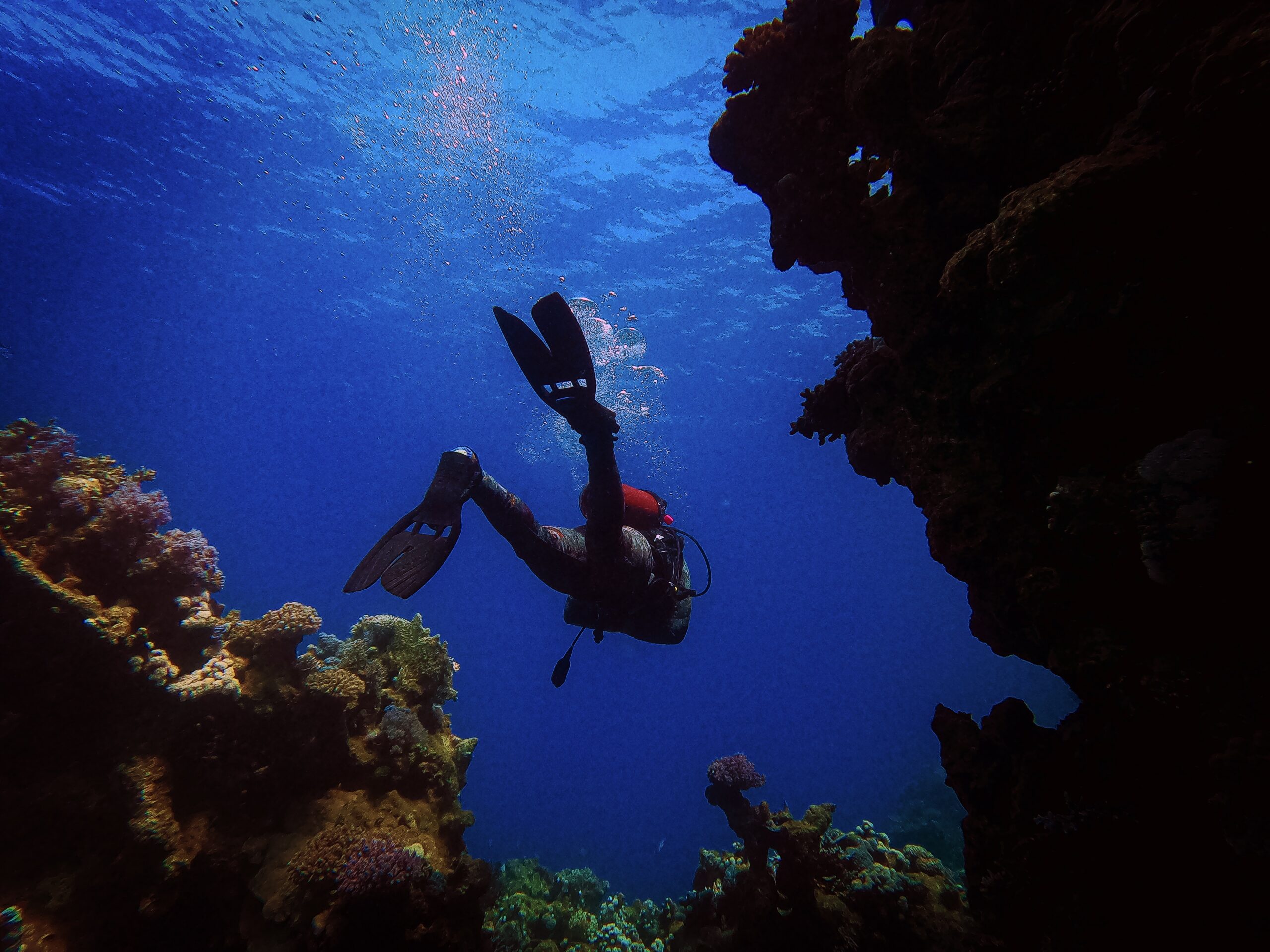
Quarry Socials for Divers in Raleigh, NC

While Raleigh is not a coastal city, many divers dive along the Carolina coast. Local dive schools such as ours, By the Shore SCUBA Instruction, often plan trips to popular North Carolinian destinations. One of our Instructor’s favorite places to visit in near Raleigh is Fantasy Lake. Furthermore, you can attend a quarry social with your instructor or by yourself to meet other divers. Here is more information: https://gypsydivers.com/quarry-socials/. Also, contact By The Shore SCUBA Instruction to see if we are attending Lake Fantasy. Kevin Alexander would love to see you there!

Social Media and Online Communities

 The internet offers a whole range of options for connecting with like-minded divers. Dive-centric Facebook groups like “PADI Divers Around the World,” Twitter, and Instagram provide a space for discussion. Many divers post photos and updates about their dive trips. By following hashtags like #RaleighScuba or #ScubaNC, you can keep up with local events and meet divers who live nearby. Discuss some of your concerns with more experienced divers.

Look Through Your Community Bulletin

 You can also check local community centers, sports clubs, or outdoor recreation stores. They sometimes host events where divers can connect. Online scuba diving forums and subreddits related to scuba diving also serve as a resource. These platforms let you learn from others and share your own dive stories.

Stay in Touch with Your Instructors

 If you live near the coast, your diving instructors might be your best connection to the local diving scene. As mentioned earlier, By the Shore SCUBA Instruction’s founder, Kevin Alexander, loves visiting Fantasy Lake. It’s one of our favorite locations in Raleigh, where divers brush up on their skills.

By the Shore SCUBA Instruction Organizes Group Excursions

Here, you’ve got a few ideas on how to find dive buddies in Raleigh, NC. It’s easier than you might think. With the right groups, you can share your passion for scuba diving with people who share similar interests. Furthermore, you can book a group excursion. Call By the Shore SCUBA Instruction for more information on upcoming excursions. We book dive excursions for individuals that need a buddy. Furthermore we get group rates for group excursions. If we don’t have any upcoming excursions, share your suggestions with Kevin. We might be able to fulfill your request in the future.*


Disclaimer

*By the Shore, SCUBA Instruction is not a travel agency. Unless By the Shore states otherwise, the diver is responsible for covering travel, boarding, and gear fees. We only organize dive excursions to get group rates for divers who want to explore different locations with a support team. Diving abroad or locally sometimes requires a charted boat, special permission to access certain places, and special equipment. Group excursions allow individuals to access these at an affordable price with a team of diving buddies.

Sources-

Preparing for a deep open-water dive

Deep sea diving classes

preparing for your deep open-water dive (2)

If you are a recreational PADI diver, you might have already experienced the thrill of diving in different environments, such as coral reefs, wrecks, or caves. But have you ever wondered what lies beyond the 18-meter (60-foot) mark? If you are curious about the deep blue, you might want to try a deep open-water dive. A deep dive is any dive deeper than 18 meters, and it can open up a whole new world of diving possibilities. However, it also requires some extra preparation, equipment, and skills. Here are some tips on preparing for a deep open-water dive and what to expect from this adventure.

Get quality training.

Before you can go on a deep dive, you need to have reliable training and certification. The PADI Advanced Open Water Diver course is a great way to start, as it teaches you how to dive up to 30 meters (100 feet) and introduces you to different types of diving, such as night diving, wreck diving, and navigation diving. You will also learn how to use a dive computer, which is essential for deep diving. Look for an experienced dive instructor like By the Shore SCUBA Instruction in Raleigh, NC. Kevin Alexander is a PADI instructor and occasionally books group charters.

Going Deeper

If you want to go deeper, you can take the PADI Deep Diver Specialty course, which focuses on deep diving and covers topics such as gas management, decompression sickness, nitrogen narcosis, and emergency procedures. This course will allow you to dive up to 40 meters (130 feet), the maximum depth for recreational diving.

Choose the right equipment.

Deep diving requires more equipment than shallow diving, as you deal with colder temperatures, reduced visibility, and increased pressure. Here are some of the essential items you will need:

  • A dive computer: This device will tell you your depth, time, no-decompression limit, ascent rate, and safety stop information. It will also alert you if you exceed your planned depth, and time, or ascend too fast.
  •  A dive light: A dive light will help you see better in the dark and communicate with your buddy. It will also make the colors of the underwater world more vivid and reveal hidden creatures.
  • A surface marker buoy (SMB): An SMB is a bright-colored inflatable tube you can deploy from depth to signal your position to the boat or other divers. It will also help you ascend safely along a line and avoid drifting away from your planned exit point.
  • An alternate air source: An alternate air source is a spare regulator that you can use for emergencies, such as running out of air or having a malfunctioning primary regulator. You can carry your alternate air source or share one with your buddy.
  • A dive knife or cutting tool: A dive knife or cutting tool can help you free yourself or your buddy from entanglement or snagging by fishing lines, nets, or ropes.

Plan your dive

Planning your dive is crucial for deep diving, as you will have less time and air available than on shallow dives. Consider decompression stops, gas consumption, nitrogen narcosis, and emergency scenarios. Here are some steps to follow when planning your dive:

Choose a suitable dive site.

Pick a dive site that matches your skill level, interests, and objectives. Become familiar with the layout, conditions, hazards, and site attractions. You can also consult with a local dive guide or operator for advice.

Set your depth and time limits.

Based on your training, certification, and experience, decide how deep and long you want to dive. Use your dive computer or a recreational dive planner (RDP) to calculate your no-decompression limit (NDL), the maximum time you can stay at a given depth without making mandatory decompression stops on your way up.

Estimate your gas consumption. 

To avoid running out of air on a deep dive, estimate how much gas you will consume and plan accordingly. You can use your SAC rate (surface air consumption rate) to calculate how much air you use per minute at the surface. Then multiply it by a factor that accounts for the increased pressure at depth. Alternatively, you can use your dive computer which has an integrated air pressure gauge that will tell you how much air you have left in your tank at any time.

Plan your safety stops.

A safety stop is a pause at a shallow depth during your ascent that allows your body to eliminate excess nitrogen and reduce the risk of decompression sickness. Safety stops are recommended for all dives deeper than 10 meters (30 feet), but they are mandatory for dives deeper than 18 meters (60 feet) or dives that approach the NDL. The standard safety stop is 3 minutes at 5 meters (15 feet), but you may need to make additional or longer stops depending on your dive profile and computer.

Plan your emergency procedures.

Before you dive, you and your buddy should agree on an emergency plan, such as running out of air, losing contact, or having equipment problems. You should also know how to recognize and treat the symptoms of decompression sickness and nitrogen narcosis, which are more likely to occur in deep dives.

Enjoy your dive

Once you have completed your training, chosen your equipment, and planned your dive, you can enjoy your deep open water dive. Deep diving can be an exhilarating and rewarding experience. You explore new places, see different marine life, and challenge yourself. 

Remember to follow the rules of safe diving, such as:

  • Never dive alone or beyond your limits
  • Monitor your depth, time, and air
  • Ascend slowly and make safety stops
  • Stay hydrated and avoid alcohol
  • Keep a positive attitude and have fun

Nothing is guaranteed.

Deep diving is a great way to expand your diving skills and knowledge and discover new underwater wonders. However, it also comes with risks and challenges requiring proper preparation and planning. By following the tips we have given you in this blog post, you can ensure that your deep open-water dive will be a safe and enjoyable adventure. Happy diving!

Disclaimer

**This blog post is intended for informational purposes only and does not constitute professional advice. Diving is a potentially hazardous activity that involves inherent risks and requires proper training, certification, and equipment. Always consult with a qualified instructor before attempting any diving activity, especially deep diving. Follow the standards and guidelines of your diving organization and respect the local laws and regulations of your diving destination. Dive within your limits and do not dive under the influence of alcohol or drugs. Diving is a personal choice and you are responsible for your safety and well-being.**

Sources-

https://blog.padi.com/how-to-prepare-for-your-open-water-diver-course

https://www.sidive.com/how-to-prepare-for-your-open-water-course/

https://blog.padi.com/padi-open-water-dives/

https://www.padi.com/courses/open-water-diver

PADI Advanced Open Water Diver certification course

Try Deep Diving | PADI Deep Diver Specialty