The Unique Challenges of Underwater Caves

adventurers climbing over large boulders and rugged terrain within a deep cave system illuminated by their headlamps, *e20240909a --ar 16:9 --stylize 750 --v 6.1 Job ID: 06978bc5-d7cc-4c11-bf3c-78498fb7244a

SCUBA Precautions For Cave Diving

Divers all over the planet are intrigued by the mystery of cave diving—what’s more fascinating than the very thing nautical films are made of? However, this tempting journey can lead divers to question their safety. A pirate’s paradise may be a death trap for the unsuspecting 21st-century diver. Before diving, ensure you are prepared for the risk ahead. It’s your life. Preserve it. Check out the key cave scuba diving precautions to stay safe and be prepared. Here are the unique challenges of underwater caves.

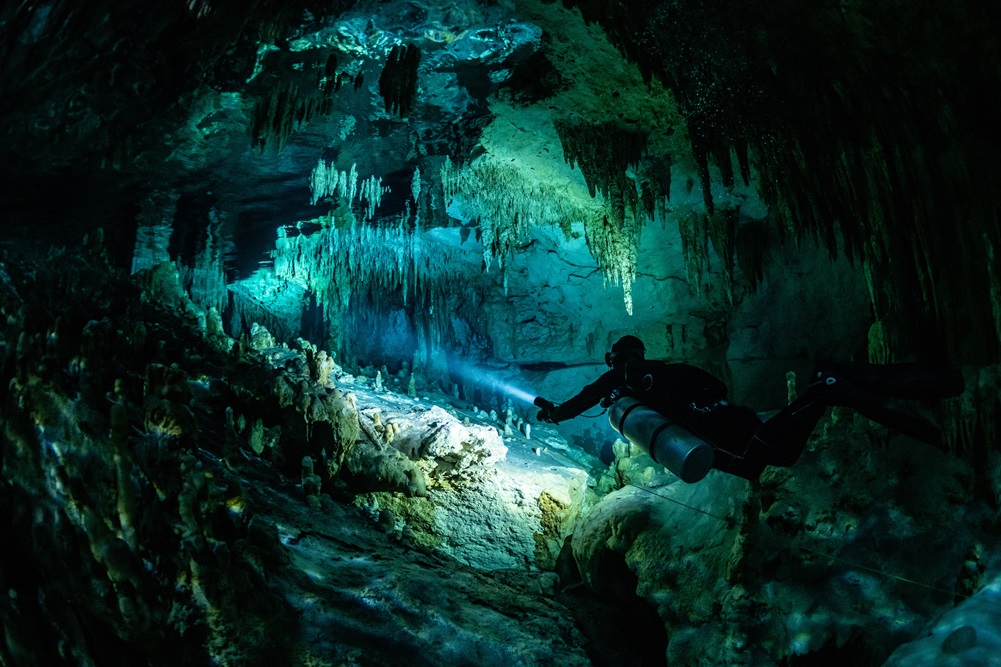
The Unique Challenges of Underwater Caves

Underwater caves are not like open-water dives. It’s more dangerous, and the numbers prove it. According to the Tampa Bay Times, “To date, over 400 people have died in caves while diving.”

Understanding the risks is the first step to avoiding them.

  • Zero Natural Light: Once you’re inside a cave, there’s no sunlight to guide you. Your only source of light is what you bring. If they fail, you’re in total darkness.
  • No Quick Escape: In open water, you can swim straight up. You must retrace your path in caves, which can be miles long.
  • Silt Avalanches: Silt avalanches occur when your fins or movement dislodges dirt under the ocean or near cliffs. Don’t go near high-risk areas with large amounts of loose cliffs.
  • It’s Easy to Get Lost: Caves aren’t just straight tunnels. They twist, turn, and sometimes split into different paths. Even experienced divers get confused in complex cave systems. 
  • Claustrophobia or Entrapment: Entrapment is lethal, but even claustrophobia can lead to heart attacks, fainting, or decompression sickness, creating a dangerous situation for any diver. Don’t enter small spaces if you cannot take the impact.

Pre-Dive Prep and Training: The Lifesaving Investment

Line handling, buoyancy control, regulation, air and navigational skills, reel use, and emergency procedures are all necessary for cave diving. Before cave diving, you must complete the required training with a qualified instructor. To address these skills, certifications from PADI (Cavern Diver specialty course), NAUI, and TDI are essential.

Understanding Dive Limits and Safety Margins

Every dive should have clear limits. Set your maximum depth, time, and distance underwater. If your plan says, “Turn back at 1,000 feet,” don’t skirt by the plan. Your gear is prepped for the dive you planned. Anything beyond the plan puts your life in jeopardy.

Cave Scuba Diving Equipment Checklist

  • Always carry a primary and backup air system. You need enough air to get out safely, no matter what happens.
  • Bring at least three lights, one principal, and two backups. Each should last 1.5 times longer than your planned dive.
  • A guideline reel is a must. It keeps you connected to the cave entrance, so you always have a way out.
  • You will also need appropriate gas mixes, a regulator, fins, and, obviously, a dive mask and suit.

The Rule of Thirds: Air or Breathing Gas Management

Air management is a lifeline in cave diving. The rule of thirds is a common practice. Divide your air supply into three parts. 

  1. One-third for entering the cave.
  2. One-third for exiting.
  3. One-third as an emergency reserve.

This reserve protects you from running low on air in an enclosed space. Always check your gauges and plan your dive to avoid surprises. The challenges of underwater caves call for extensive air preparation.

Depth Rules

Cave dives often start in shallow water, but it’s easy to drift deeper without realizing it. When you’re focused on exploring, you might lose track of your depth. Stick to your planned depth and check your gauge often. Prevent the dangerous challenges of underwater caves.

Control Your Buoyancy

Poor buoyancy control can quickly stir up silt from the cave floor, clouding the water and making it impossible to see. Thus, before entering tight spaces, make sure you’re neutrally buoyant. Adjust your buoyancy control device in small, controlled movements. Stay steady and avoid touching the walls or floor. 

Always Have a Guiding Line

Always use a durable nylon or polypropylene line to keep track of your exit. Mark your path with guideline reels and visual cues. Also, make sure to knot at regular intervals to help measure distance. Your dive buddy will usually assist you if they surface first—journey with a trusted peer experienced in cave diving. Guiding lines will help you brave the challenges of underwater caves.

Dive Caves With Training and Expertise

Cave diving is a fantastic experience that comes with its challenges. Respect the cave’s power, invest in training, and never push your limits. As legendary diver Hal Watts once said, “Plan your dive; dive your plan.” Ready to take the drastic step? Get certified, gear up, and explore responsibly; the underwater world is waiting. For SCUBA divers looking to drop by the Outer Banks or North Carolina check out By the Shore SCUBA Instruction with our experienced PADI Diver Kevin Alexander. We are the people who love the challenges of underwater caves and all that entails.

Sources-

  1. https://www.thetravel.com/what-are-the-5-rules-of-cave-diving/#the-five-major-rules-of-cave-diving
  2. https://www.globalrescue.com/common/blog/detail/best-cave-diving-trips-and-safety-tips/
  3. https://scubapro.johnsonoutdoors.com/us/blog/cave-diving-important-things
  4. https://www.kooxdiving.com/en/please-stop-unless-cave-trained/
  5. https://www.padi.com/courses/cavern-diver
  6. Untrained divers have no place in dangerous caves
  7. Hal Watts: Plan Your Dive – InDEPTH

Updates. Editing AI Assistance provided by Grammarly. (2025). Grammarly. https://app.grammarly.com/ddocs/2773034822

Why You Must Spring Break in Breathtaking OBX

SPRING BREAK IN Breathtaking OBX

SPRING BREAK IN Breathtaking OBX

SCUBA Diving in the Outer Banks

Suppose you’ve ever daydreamed about diving into crystal-clear waters, surrounded by marine life, shipwrecks, and the natural beauty of coastal North Carolina. In that case, it’s time to make your dream a reality! Spring Break is just around the corner, and what better way to celebrate than with an unforgettable SCUBA diving experience in the Outer Banks (OBX)? The OBX is known for its pristine beaches, wild dunes, and rugged coastlines—but it’s a diver’s paradise beneath the surface. Seasoned or first-time divers find the Outer Banks offers an exciting mix of adventure, natural wonders, and rich history that will leave you in awe. Here’s why you must Spring Break in breathtaking OBX.


Why You Must Spring Break in Breathtaking OBX

Located on the eastern edge of North Carolina, the Outer Banks are part of the Great Barrier Islands—an area rich in history and marine biodiversity. The warm waters of the Atlantic Ocean come together with the Gulf Stream, creating an ideal environment for diving year-round. Spring Break is one of the best times to visit because the weather is warming up, and the waters are alive with color and activity. OBX is a fantastic destination for divers of all skill levels, from towering shipwrecks to thriving coral reefs.

Explore the ‘Graveyard of the Atlantic’

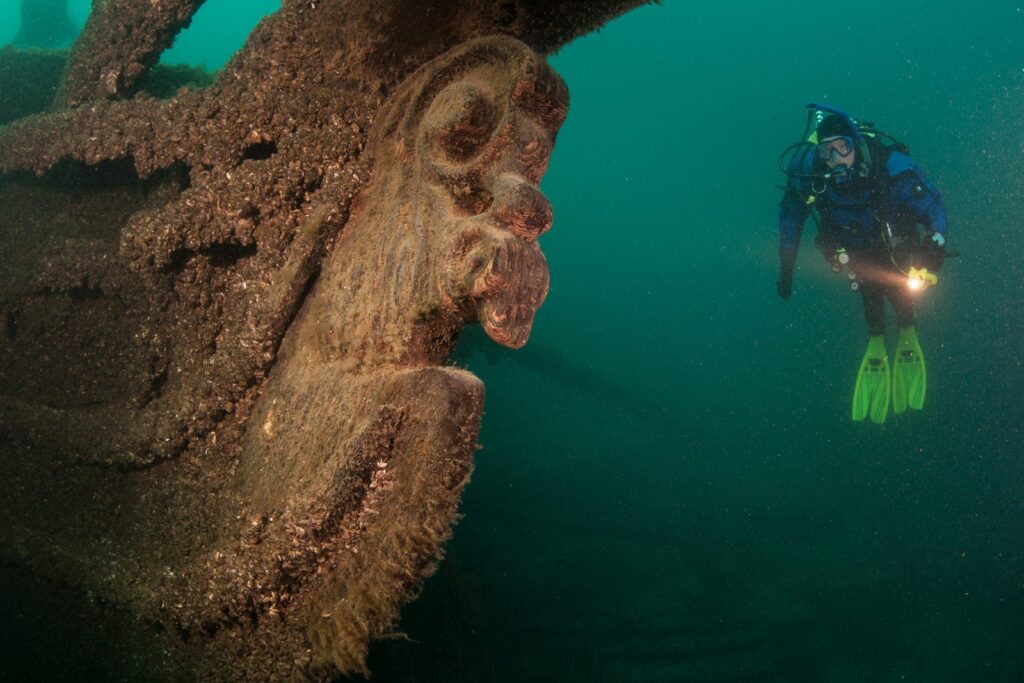
An all-time standout feature of diving in the Outer Banks is the incredible selection of shipwrecks that litter the seafloor. OBX earned its nickname as the “Graveyard of the Atlantic because of its treacherous waters, where hundreds of ships met their fate. Now, those sunken vessels provide a fascinating playground for divers to explore. With over 2,000 wrecks, the Outer Banks is one of the best places to dive into maritime history. From colonial times to World War II, these vessels tell stories of adventurers, explorers, and sailors who braved the unpredictable waters of the Atlantic.

Marine Life of the Outer Banks: A Colorful Underwater World

Shipwrecks alone don’t make OBX unique. Consequently, an impressive array of marine species, including sea turtles, rays, sharks, and colorful fish, give OBX the most appeal. The visibility is often excellent, giving you a crystal-clear view of the underwater world. Gliding through the water, you’ll feel like you’ve entered another world filled with beauty and mystery at every turn. Imagine descending into a calm, shallow lagoon to find delicate corals, seagrass beds, and schools of vibrant fish swarming around you. Whether exploring the peaceful reefs or drifting alongside a majestic manta ray, OBX promises to deliver experiences you’ll never forget.

Diving for Beginners and Experts Alike

The Outer Banks offers plenty of opportunities for beginners to start open ocean diving. Your diving skills will develop over time in this wonderful place. Consequently,the calm, shallow waters are perfect for learning the ropes, while more advanced divers can venture to deeper wreck sites or explore areas where larger marine creatures roam. Furthermore, your diving skills will flourish. The diving community in OBX offers coverage for for beginners to start on their first-time excursions.

Supporting Conservation and Sustainability in OBX

Yesterday brings history. Today brings the need for sustainability. Diving in OBX is an opportunity to witness the incredible conservation efforts to preserve marine ecosystems. As the area’s popularity grows, so does its commitment to maintaining the charm and integrity of its underwater world and coastal communities. Choosing OBX for your next dive means supporting a community dedicated to environmental sustainability.Along with diving, environmental enthusiasts will see the ecological diversity when searching for animals and birds. Check out the sand dunes or venture to Corolla Beach to see wild horses that are protected by the community.

Why Spring Break is the Perfect Time for OBX Diving

Spring Break is the perfect time to visit the Outer Banks, especially for divers looking to avoid the summer crowds. The ocean is warming up around this time without scorching its participants. In turn there is excellent visibility for those wishing to explore the depths. In addition Spring is when the waters hold seasonal migrations and more active marine life for the Northern Hemisphere. It’s the perfect balance of peaceful diving and abundant marine activity.

A Passionate Diving Community

Another great perk of diving in OBX is the community that surrounds it. The locals are passionate and well-informed and live the OBX life. From the dive shops to the boat captains and marine biologists, everyone here is invested in ensuring you have a memorable experience. With their expertise, you’ll dive safely and better understand the ecosystems you’re exploring.

Ready to Dive In? Start Your SCUBA Adventure With By the Shore

]If you are ready for an unforgettable SCUBA, take no further than By the Shore SCUBA Instruction in Raleigh, NC. Whether you’re a beginner or an experienced diver, our expert instructor, Kevin Alexander, will ensure you’re well-prepared to safely explore the incredible waters of OBX and beyond. Make this Spring Break unforgettable with By the Shore SCUBA instruction or a trip to OBX!

Sources-

A Guide To North Carolina’s Top Birding Destinations – Destination Guide USA. https://destinationguideusa.com/north-carolina/a-guide-to-north-carolinas-top-birding-destinations/

By the Shore SCUBA Instruction www.scubadivingraleigh.com

How to Fathom Life as a PADI Master Diver
How to Fathom Life as a PADI Master Diver

The PADI Master Diver

Scuba diving is a healthy activity that helps keep one fit and allows one to explore the world underwater. This means becoming a PADI Master Diver is more than earning a certificate. On the contrary, it is a way of life, an entire of adventure and learning. Explore the realities and pleasures of the PADI Master Diver experience for all curious divers who wish to become one. Unleash how to fathom life as a PADI master diver, their challenges, and their pleasures.

How to Fathom Life as a PADI Master Diver

PADI divemaster is the certification awarded to those who demonstrate exceptional diving expertise and skill in the PADI system. Consequently, potential divers must complete the dive PADI specialty courses, log at least 50 dives, and get other crucial certifications, including Rescue Diver and Emergency First Response certifications. Thus, becoming a master PADI diver is an enormous achievement in scuba diving, which opens the door for multiple other opportunities and great experiences.

Realities of being a SCUBA PADI Master diving

From an aerial view, being a Scuba PADI master diver is only about reaching new heights beneath the ocean. Therefore, mastering PADI diving is all about navigating multiple challenges and requirements, including the following:

  • Continuous Learning and Practice
  • Physical and Mental Challenges
  • High Equipment and Training Costs
  • Increased Responsibilities

Continuous Learning and Practice

Being a PADI master diver is not about owning a one-time certification. Instead, these divers must practice and log dives regularly to update their skills and stay sharp. In addition, the diving techniques and equipment knowledge must also be constantly updated.

Physical and Mental Challenges

The ocean environment varies from region to region. As a result, strong currents and water temperatures can create multiple physical and mental challenges for divers, testing their endurance and focus. Hence, it becomes integral for the PADI master diver to stay fit and face all the challenges as part of their professional and regular lifestyle.  

High Equipment and Training Costs

Earning the PADI certification requires strength, physical effort, and a lot of financial strain. Therefore, everything requires investment, from attending advanced training classes to getting quality diving gear. In addition, regular maintenance of the equipment is also necessary to ensure safety under the water.

Increased Responsibilities

As a master PADI diver, you lead underwater expeditions and campaigns. Therefore, this makes you responsible for your life and the safety and security of other divers. In turn balancing fun with responsibility can become challenging at times.

Pleasures of Being a SCUBA PADI Master Diver

Although Master PADI Scuba diving comes with significant challenges, it also paves the way for multiple pleasures and opportunities, such as the following:

  • Navigating Eerie Shipwrecks
  • Underwater Welfare and Conservation Campaigns
  • Enhanced Expose
  • Getting Closer to the Marine Life

Navigating Eerie Shipwrecks

Shipwrecks hold a charismatic and mysterious charm. Consequently, being a master PADI diver, you can navigate to the ships deep inside the ocean, which otherwise remain unapproachable for the commoners and non-PADI divers.

Underwater Welfare and Conservation Campaigns

It’s a common idea that being a PADI master diver means leading new expeditions and exploring undiscovered areas. However, the vision of being a PADI master diver is much broader than that. In fact, it is connected with underwater welfare and conservation campaigns, which PADI masters often lead to ensure full impact and maximum results.

Enhanced Expose

The Scuba PADI master diver rating is the highest among non-professional levels in the PADI system. Thus, earning it is like a badge granting you enhanced exposure and a reputation in scuba diving.

Getting Closer to the Marine Life

Different types of fish live on various levels of the sea. Therefore, with the PADI Scuba diving certification, you can go deeper into the sea and explore marine life that never comes to sea level. At the same time, you can enjoy swimming alongside dolphins or observe colorful fish.

The Challenges

Conversely, PADI scuba diving certification symbolizes your skills and experience. For example, it brings multiple pleasures into the Scuba diver’s life, including enhanced exposure, allowing them to participate in underwater welfare campaigns, etc. However, divers must also face the emotional and physiological challenges listed above. Read the content from start to finish carefully to learn what it is like to be a PADI Master diver

Choose Wisely

It’s not for everyone. Before undertaking this life changing decision speak with your instructor about the challenges and hurdles you have to overcome, because they may give you the best answer. Furthermore, for individuals in Raleigh or Eastern North Carolina, contact By the Shore SCUBA Instruction for  more information on SCUBA dive classes, charters, and products that we offer. Conveniently located in Raleigh, NC, Kevin Alexander an experienced PADI Master diver, can give you a clear perspective on life as a diver.Don’t hesitate to reach out to him today.

Sources-


The Simple Explanation Behind Unexpected Nurse Shark Attacks
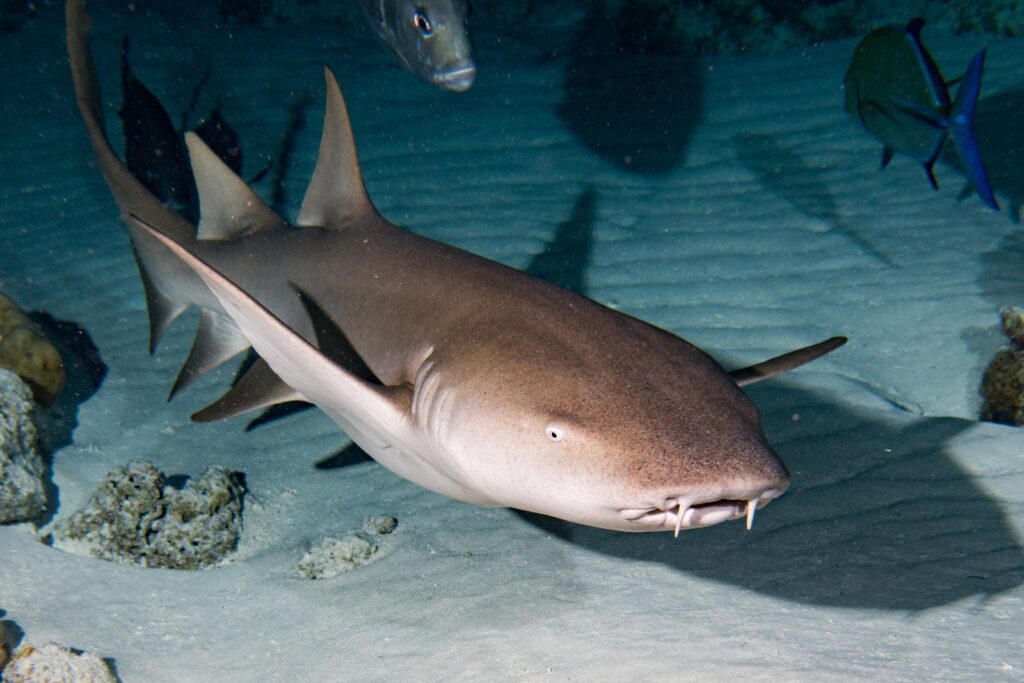
Nurse Shark Attacks

The Simple Explanation Behind Unexpected Nurse Shark Attacks

Understanding Nurse Sharks: Are They Gentle Giants or Hidden Threats?

While nurse sharks are generally seen as “gentle giants” of the sea, they have recently made the headlines for an unusual encounter with divers. Although these bottom dwellers are usually docile, the recent nurse shark bite of a Brazilian SCUBA diver in the Maldives illustrates the importance of knowing how they behave. So, let’s dive into the details to understand the simple explanation behind unexpected nurse shark attacks.

The Simple Explanation Behind Unexpected Nurse Shark Attacks

Nurse sharks live in the slow-moving, nocturnal, warm, shallow waters of the Atlantic and Indian/Pacific oceans. They generally lie on the sea bottom during the day and hunt prey by night. They are known for their obedience and attract numerous SCUBA diving charters and underwater enthusiasts guided by PADI instructors. Nurse sharks are wild animals, however. Unlike the most peaceful species, they will engage in defensive or aggressive behavior if provoked, startled, or mishandled. Nurse sharks have tremendously strong jaws with thousands of serrated teeth that help them crush crustaceans and mollusks. When they bite, their natural anatomy can be very severe.

Misunderstanding of Human Actions

A misunderstanding between humans and sharks is one of the leading causes of nurse shark bites. People mistake their calm attitude for permission to approach them, and divers and snorkelers often get too close. They can be provoked to defensive responses by reaching out or trying to feed them. For example, in the Maldives viral incident, the diver may have accidentally intruded upon the shark’s personal space without knowing it. Remember that even docile marine species can feel threatened when too close.

Mistaken Identity and Feeding Behavior

Although some tourist diving charters hand-feed nurse sharks, it increases the risk of bites. Sh sharks depend on their superior senses to find food; murky waters can fool them into thinking a hand or arm will be food.

Environmental Stressors

Nurse sharks might react more to increased human activity, pollution, and habitat disturbances. Divers who accidentally corner or block their escape routes can be bitten defensively.

Nurse Shark Incidents: Prevention

Although the likelihood of running into an aggressive nurse shark is low, the best practices during dives can significantly reduce the chance of an accident. Remember to:

  • Keep your Distance Respectfully

PADI instructors stress observing marine life without disturbing it. Nurse sharks may appear approachable, but avoid touching or crowding them.

  • Avoid Hand-Feeding

Disturbing nurse sharks when feeding disrupts their natural hunting instincts and increases the chance of mistaken bites. Reputable SCUBA charters discourage feeding and focus on safe interactions instead.

  • Recognize Warning Signs

As animals, nurse sharks may show warning behaviors like arching their back, quick head movements, or rapid body repositioning. If you see such signs, divers should immediately retreat.

  • Follow Professional Guidance

PADI instructors supervise diving to ensure safety protocols. They know how to interact responsibly with marine life because these experts understand its behavior.

Respecting Nature

Nurse sharks are great wonders of the underwater world. Although incidents such as the Maldives bite are uncommon—they serve as a reminder of the importance of taking care of them and not interfering with their homes. Of course, when encountered underwater, we can understand their behavior and follow some responsible diving practices to ensure we encounter these extraordinary creatures safely.

Diver Safety and SCUBA Instruction

Our mission at By the Shore SCUBA Instruction is to share the thrill of this life experience with our clients through unforgettable diving experiences that are safe and respectful to the sometimes delicate but never-to-be-forgotten marine ecosystems depending on our world. Certified PADI instructor Kevin Alexander holds years of experience. He trains divers to interact responsibly with underwater life, practice ethical diving, and chart dives to beautiful locations from time to time. We build a community of environmentally aware divers by constantly educating and guiding exploration. If you are considering vacationing in North Carolina or passing through, give By the Shore SCUBA Instruction a call for your next diving class!

Sources-

-https://indianexpress.com/article/trending/trending-globally/nurse-shark-bites-brazilian-scuba-diver-in-maldives-video-goes-viral-9693135/

-https://www.nationalgeographic.com/animals/fish/facts/nurse-shark

-https://www.fisheries.noaa.gov/resource/peer-reviewed-research/apex-predator-publications-and-reports-nurse-shark