
This year divers have been able to get out more than usual. While there have been frequent discoveries of marine species, our oceans have been allowed to refresh, and animals have emerged from places we never imagined. The SCUBA community has been fortunate enough to participate in these recent discoveries of aquatic species. Wait till you hear the things emerging out of the ocean. Read about these three new marine species discovered in 2022.
Anti-Freeze Fish
Can you imagine fish that perform the same way a radiator does? Glowing fish in the arctic produce their anti-freeze. Found off the coast of Greenland in 2019, these fish produce bioluminescence. Scientists were unaware of this anti-freeze property until now. After sifting through the RNA of the snailfish, scientists saw these anti-freeze proteins are in other animals in the arctic, including evasive reptile species. Ghulam Din Arctic fish is the official name of this cutting-edge scientific discovery.
A New Species of Comb Jelly
Duobrachium sparksae is the newly discovered species of comb jelly floating off the coast of Puerto Rico. NOAA classifies this as a species of comb jelly. Transparent and small, duobrachium sparksae resembles the comb jelly. Note that comb jellies are not related to jellyfish; (their phylum classifications are different.) This little floating wonder resembles a hot air balloon and walnut. They are not as dangerous to humans as jellyfish. The Smithsonian offers public access to high-definition videos of this finely detailed creature. Currently, scientists are uncertain of the role of the comb jelly in our ecosystem.
“Alien” Isopod
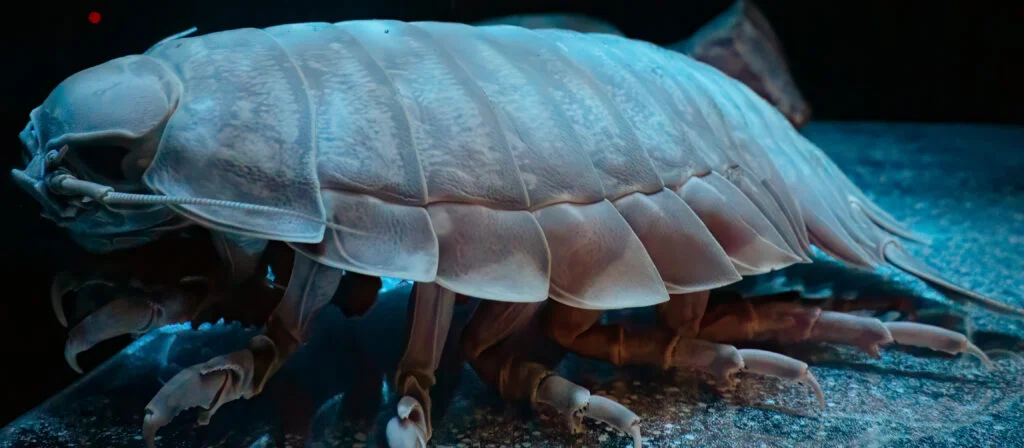
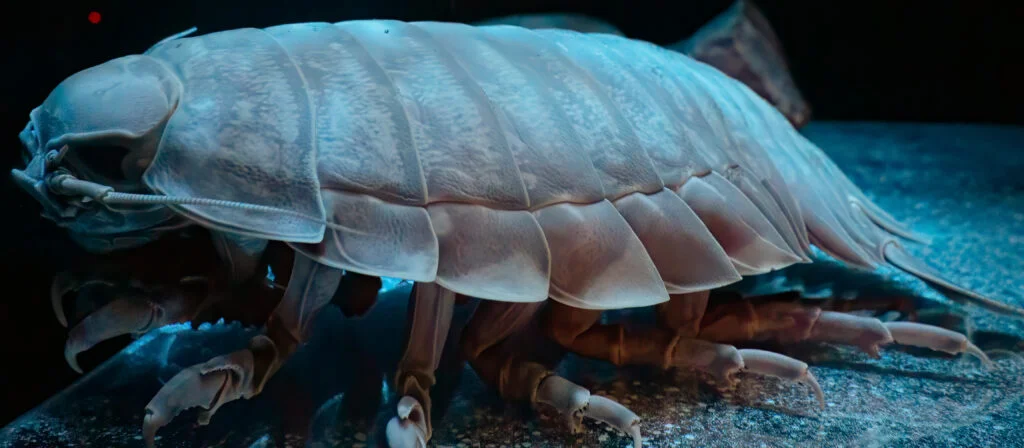
Ready for a creature that will make your skin crawl? The alien isopod or “face-hugger” lives in the Gulf of Mexico. The official name is bathynomus yucatanensis; bathynomus yucatanensis is a different species from other isopods. This isopod tops other isopods at a foot in size. Scientists believe the immense size of this isopod derives from its existence on the ocean floor. Other crustaceans and mollusks(such as giant squids) found on the ocean floor outgrow their peers who live closer to the surface. This phenomenon is known as gigantism, and scientists believe it is an evolutionary process that occurs deep down.
Teeming With Life
Scientists are constantly discovering new forms of life in our oceans. There is no end to the possibilities of species we will find in the years to come. Protecting our biodiversity is vital to the continuing survival of our oceans. Follow organizations such as NOAA and Scripps Institution of Oceanography to stay up to date with environmental advocacy. Learning about our oceans will help you to become more familiar with different ecosystems. For more information on involvement as a PADI diver, contact www.volunteerhq.org. Head to your local PADI instruction company to find out if they know of any excursions to explore a new life. By the Shore, SCUBA Instruction is a PADI instruction company in Raleigh, NC. We stay updated on new oceanic discoveries and chart dive excursions to different locations.
Sources–New species of giant deep-sea isopod found in the Gulf of Mexico (usatoday.com)
4 Recently Discovered Ocean Species – Ocean Conservancy
Environmental Scuba Diving Volunteer Project in Lisbon | IVHQ (volunteerhq.org)
What Are Jellies? Cnidarians and Ctenophores | AMNH
Tiny new species of sea blob hovers ‘like a hot air balloon’ over the seabed | Live Science